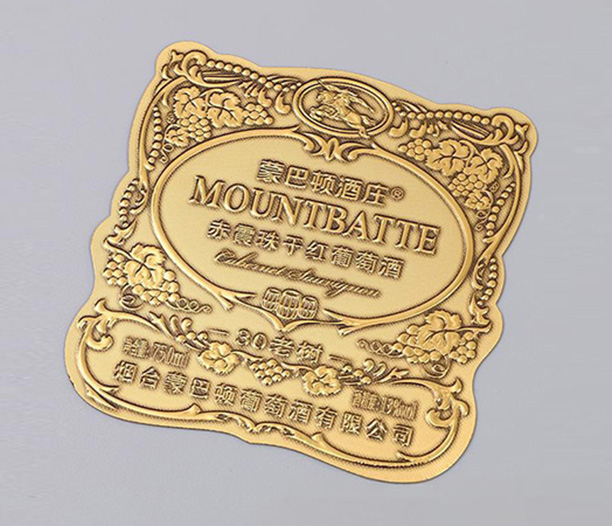
If you’ve ever wondered how large organizations keep track of thousands of items, from laptops to lab equipment, the answer often lies in a system called asset tagging. At its core, asset tagging is the process of identifying and labeling physical assets with a unique identifier. This practice is the first critical step in implementing a formal asset tracking or management system.
Simply put, an asset tag is a label placed on an item. This label contains a unique ID, often accompanied by a barcode, QR code, or RFID chip. When someone asks "what is asset tagging," they are really asking about this foundational process of creating a digital link to a physical object. It transforms an anonymous piece of equipment into a tracked and managed resource.
The goal of asset tagging is to provide instant, accurate identification. This enables businesses to monitor location, status, maintenance schedules, and ownership of their assets throughout their entire lifecycle. Without a clear answer to "what is asset tagging," companies risk losing valuable items, overspending on replacements, and operating inefficiently.
The Core Components of an Asset Tagging System
Understanding what is asset tagging requires looking at its key parts. The system is built on three pillars: the physical tags, the unique identification data, and the tracking software. The tags themselves are durable labels designed to last the life of the asset. They must withstand environmental factors like heat, moisture, and abrasion.
The data on the tag is minimal—typically just a unique serial number or alphanumeric code. This code is the key that unlocks all the detailed information stored in the associated asset management database. This is where the true power of asset tagging becomes clear. Scanning the tag pulls up the item's purchase date, cost, assignment, service history, and more.
The software is the brain of the operation. It stores the asset's complete profile and history. When you scan a tag, the software records the scan time, location, and user, updating the asset's status in real-time. This integration of physical tags and digital data is the complete picture of what asset tagging aims to achieve.
Asset Tagging vs. Manual Inventory: Why It's Not a Contest
To fully grasp what is asset tagging, compare it to old-fashioned manual methods. Traditional inventory involves clipboards, spreadsheets, and visual checks. This process is slow, prone to human error, and provides only a snapshot in time. Assets can be missed, misidentified, or logged incorrectly.
An asset tagging system, in contrast, offers speed and accuracy. Scanning a barcode takes seconds and guarantees the correct asset is recorded. This efficiency is a major reason why businesses adopt asset tagging. It turns a day-long inventory count into a task of a few hours.
The data quality is also superior. Manual tracking often leads to inconsistent record-keeping. With asset tagging, every interaction is standardized and logged automatically. This results in reliable data for financial reporting, auditing, and decision-making. When evaluating what is asset tagging, this leap in data integrity is a primary benefit.
A Guide to Choosing the Right Asset Tags for Your Needs
Selecting the correct tags is a crucial step in implementing asset tagging. The right choice depends entirely on the asset's environment and use case. For office IT equipment like laptops and monitors, a standard polyester barcode label with a permanent adhesive is often sufficient. These tags are cost-effective and easy to scan.
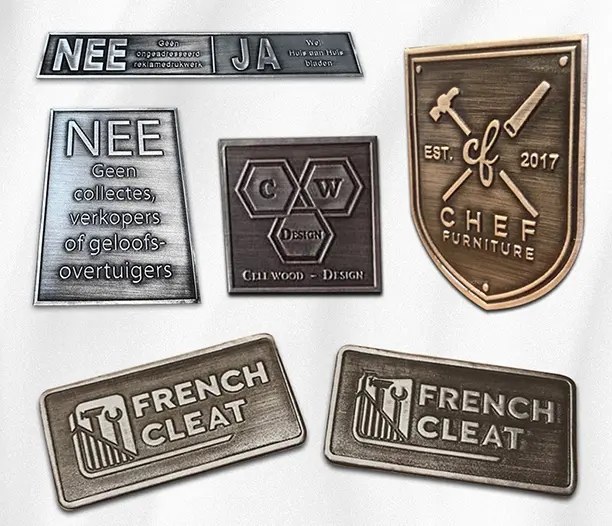
For assets in harsh environments—think manufacturing tools, hospital equipment, or outdoor machinery—more durable tags are needed. These may be made of anodized aluminum, etched metal, or tamper-evident materials. They are designed to resist chemicals, extreme temperatures, and physical wear. Part of understanding what is asset tagging is knowing that one size does not fit all.
The tracking technology itself is another choice. Barcodes are universal and inexpensive. QR codes can store more data and are easier to scan with modern smartphones. RFID tags allow for bulk scanning without a direct line of sight, ideal for tracking many items on a pallet or in a room. Your operational needs will dictate the best technology for your asset tagging project.
The Real-World Applications of Asset Tagging
Seeing asset tagging in action clarifies its purpose. In an IT department, asset tagging tracks every computer, server, and peripheral. It manages warranty information, schedules updates, and facilitates audits for compliance. IT managers use asset tagging to know exactly what they have and where it is located.
In facilities management, asset tagging is used for furniture, fixtures, and maintenance equipment. Tags help schedule routine servicing for HVAC units or fire extinguishers. They also assist in planning office moves or space reconfigurations by tracking every desk and chair.
For healthcare organizations, asset tagging is critical. It tracks mobile medical devices like infusion pumps and wheelchairs, ensuring they are available when needed and properly sterilized. It also helps manage the maintenance schedules for life-saving equipment. Across these examples, the answer to "what is asset tagging" is a tool for operational control and accountability.
Understanding the Costs of an Asset Tagging Project
The cost of asset tagging is not a single number. It's a combination of several factors. The tags themselves are usually the smallest expense. Simple barcode labels can cost pennies per tag, while durable metal RFID tags may cost several dollars each. The volume of your order significantly affects the per-unit price.
The larger costs often involve the software and hardware. Asset management software can be a monthly subscription or a one-time license fee. Scanners or mobile devices for reading tags are a necessary hardware investment. For RFID systems, readers and antennas add to the upfront cost.
One must also consider the labor for implementation. This includes the time to physically tag every asset, input initial data into the software, and train staff. However, when weighing this cost, consider the return: reduced loss, improved efficiency, and better financial oversight. A well-executed asset tagging system typically pays for itself by eliminating waste and loss.
How to Find a Service Provider for Asset Tagging
For many businesses, outsourcing the setup of an asset tagging system is practical. A simple search for "asset tagging services" or "asset tag suppliers" will yield numerous providers. Look for companies that offer a complete solution: tags, software, and support. They should help you answer "what is asset tagging" in the context of your specific industry.
A good provider will ask detailed questions about your assets and operational challenges. They will recommend the most suitable tag material and tracking technology. Request samples to test adhesion and durability on your actual assets. Ask for case studies or references from clients in a similar field.
Be wary of providers who push the most expensive technology without justification. The goal is a fit-for-purpose system. A reliable partner will guide you through planning, pilot testing with a small batch of assets, and then full-scale rollout. Their expertise should make the process of starting asset tagging smooth and effective.
The Technology Behind Modern Asset Tags
The effectiveness of asset tagging is driven by underlying technologies. Barcodes (1D and 2D) are the most common. They are printed labels read by optical scanners. Newer innovations include QR codes, which are 2D barcodes easily scanned by smartphone cameras, adding flexibility.
RFID (Radio-Frequency Identification) represents a more advanced layer. Passive RFID tags have no battery; they are powered by the radio waves from a scanner. They can be read through materials and without direct line-of-sight. Active RFID tags have a battery and can broadcast signals, enabling real-time location tracking over larger areas.
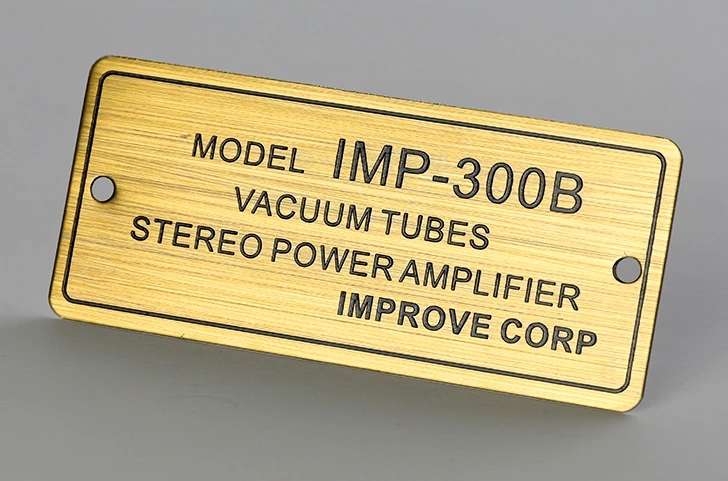
For high-security or extreme durability, some asset tags use laser etching or dot peen marking to engrave data directly onto metal. These permanent marks are ideal for tools or capital equipment that faces intense wear. Understanding these options is part of mastering what is asset tagging in a technical sense.
Implementing Asset Tagging: A Step-by-Step Approach
Starting an asset tagging project can feel daunting. Begin with a clear plan. Define your goals. Do you need to prevent loss, streamline audits, or manage maintenance? Next, conduct a pilot. Choose one department or asset type to tag first. This tests your tag choice, software, and process on a small scale.
The physical tagging process must be consistent. Clean the asset surface before applying the tag. Place it in a standard, visible location that won't interfere with the asset's use or be prone to wear. Record the tag ID, asset details, and location immediately in your software during application.
Finally, integrate the system into daily operations. Train staff on how to scan assets for check-out, check-in, and reporting. Assign responsibility for updating records. The answer to "what is asset tagging" becomes real when the system is actively used and maintained, becoming part of the company's workflow.
Frequently Asked Questions
Q1: What exactly is meant by 'asset' in asset tagging?
A1: In asset tagging, an "asset" refers to any physical item of value that a business needs to track and manage. This commonly includes IT equipment (laptops, servers), tools, machinery, vehicles, office furniture, and even specialized equipment like medical devices or laboratory instruments.
Q2: Is asset tagging only useful for large corporations?
A2: Absolutely not. Small and medium-sized businesses benefit greatly from asset tagging. It prevents the loss of expensive equipment, simplifies tax and insurance reporting, and saves time during inventory counts. The scale of the system can be tailored to any company size.
Q3: How long does it take to implement a basic asset tagging system?
A3: For a small to medium-sized business, a basic barcode-based system can often be planned and piloted within a few weeks. The full rollout depends on the number of assets. Tagging a few hundred items might take a dedicated person a week or two, including data entry.
Q4: What happens if an asset tag falls off or becomes damaged?
A4: A well-chosen tag should last the asset's life. If damage occurs, a good asset management process has a procedure for replacement. The old tag ID is retired in the software, a new tag is issued with a new unique ID, and all the asset's historical data is linked to this new identifier.
Q5: Can asset tagging help with compliance and auditing?
A5: Yes, this is one of its strongest advantages. Asset tagging creates an auditable trail. It provides definitive proof of what assets you own, their location, and their condition. This is invaluable for financial audits, industry regulations (like IT security compliance), and insurance claims.