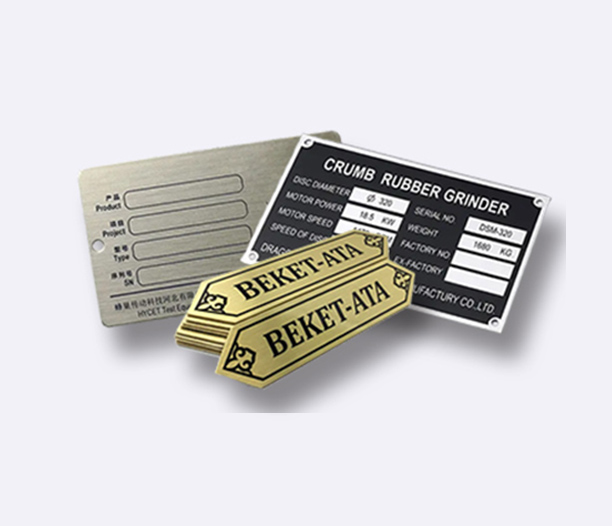
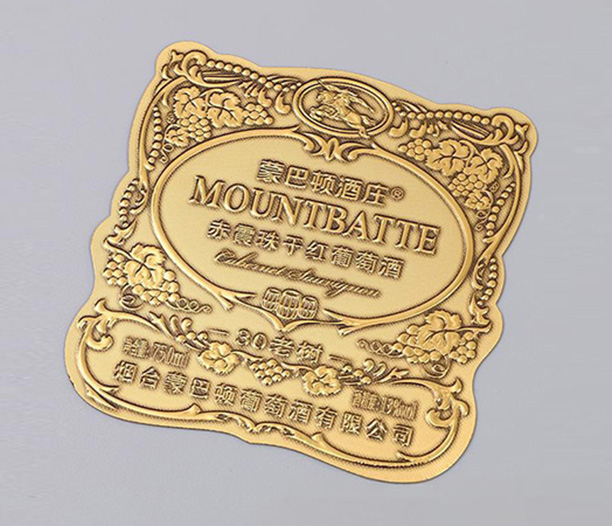
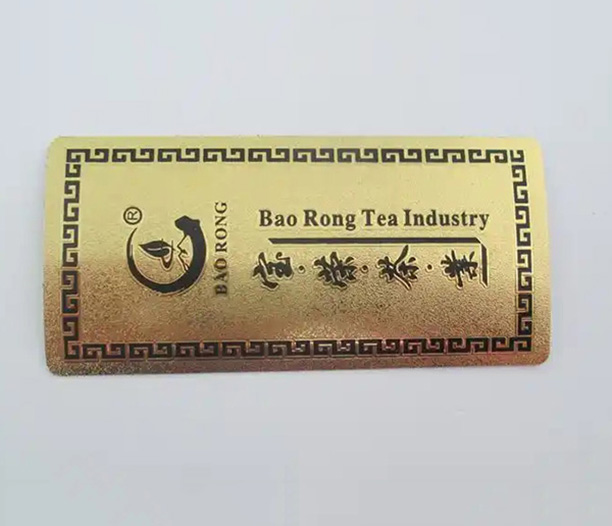
If you operate, maintain, or manage industrial machinery, manufacturing equipment, or facility systems, you interact with equipment name plates daily. Often overlooked, these small identifiers are foundational to safety, efficiency, and organization. They are far more than simple metal tags; they are a critical communication link between the machine and its human operators.
This article details why properly specified equipment identification plates are non-negotiable for modern operations.
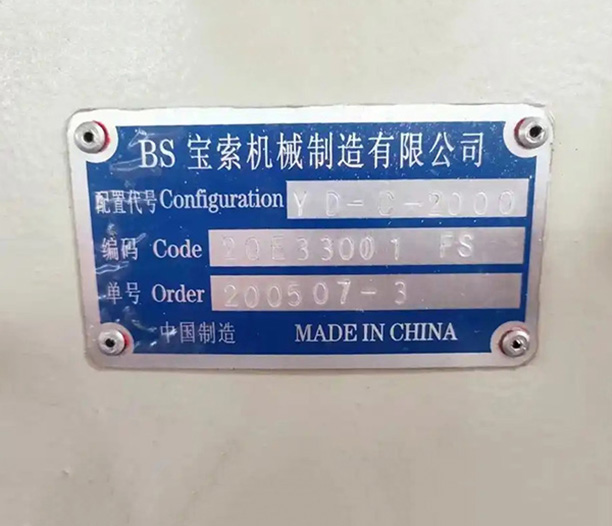
What Are Equipment Name Plates?
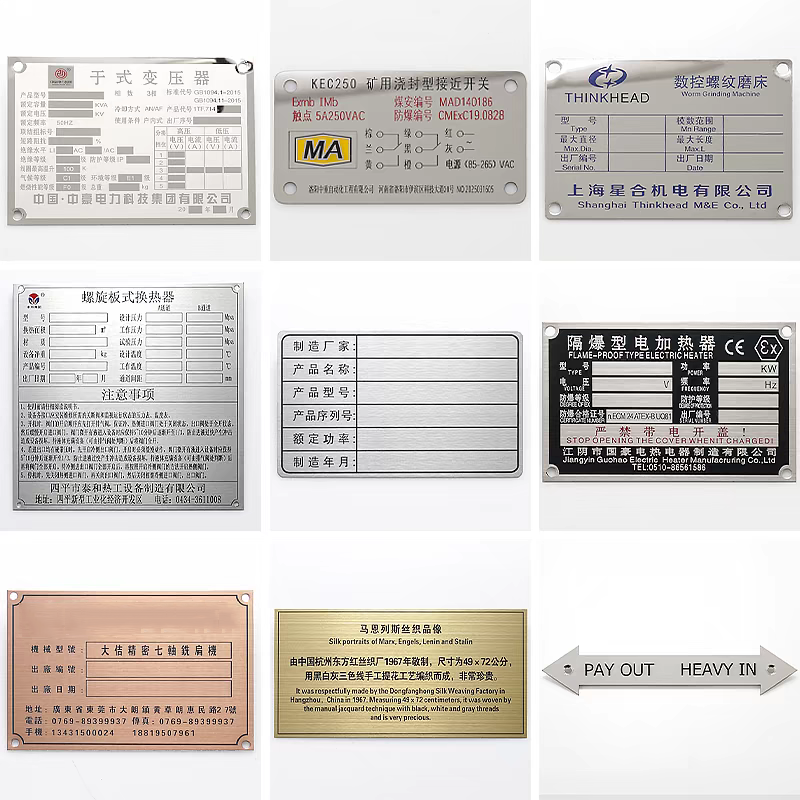
Equipment name plates, also called machinery identification plates or asset tags, are durable labels permanently affixed to equipment. They convey essential, static information about the asset throughout its entire lifecycle.
A typical equipment name plate will include core data such as the model number, serial number, manufacturing date, and key technical specifications. This transforms a generic machine into a uniquely identifiable asset.
Why High-Quality Name Plates Are Non-Negotiable
Compromising on the quality or clarity of your machine name plates invites risk. Their primary functions are too important to ignore.
First, they are a cornerstone of safety. Plates displaying electrical ratings, pressure limits, or hazard warnings are often legally mandated. Clear, durable markings prevent dangerous misuse.
Second, they enable efficient maintenance and repair. Technicians rely on the model and serial number to source correct parts. This reduces downtime and prevents costly errors.
Finally, they are the bedrock of asset tracking. Scanning a barcode or reading a unique ID on an industrial name plate simplifies inventory audits, warranty tracking, and lifecycle management.
Selecting the Right Material for Durability
The operating environment dictates the best material for your equipment identification plates. Choosing incorrectly leads to faded, damaged, or unreadable tags.
For indoor, general-purpose use, anodized aluminum is a popular choice. It's lightweight, corrosion-resistant, and accepts high-quality markings. Stainless steel name plates are essential for harsh conditions involving moisture, chemicals, or extreme temperatures.
In environments requiring electrical insulation or where metal tags could cause damage, engineered plastics like polyesters or vinyl are used. For the most extreme abrasion or outdoor weathering, metal tags with industrial-grade coatings provide the longest service life.
Marking Methods: Ensuring Legibility for Years
How information is applied to the name plate is as crucial as the material itself. The method must ensure permanent, legible text and graphics.
Screen printing is cost-effective for simple, high-contrast labels. For superior durability, etched or stamped markings physically remove material, creating indentations that cannot wear off. Digital printing allows for flexible, high-resolution graphics, including color logos and complex diagrams directly on the equipment tag.
Many operations now integrate scannable technology. Adding QR codes or Data Matrix barcodes to your equipment name plates links the physical asset to digital records instantly.
Key Industries That Depend on Durable Name Plates
Virtually every sector utilizing machinery requires reliable equipment name plates. Their application is universal but particularly critical in certain fields.
The manufacturing industry uses them to identify presses, CNC machines, and robotic cells. In energy and utilities, name plates on transformers, pumps, and turbines must withstand decades of outdoor exposure. The transportation sector relies on them for aerospace components, locomotive parts, and heavy vehicle identification.
Compliance-driven fields like medical device manufacturing and pharmaceuticals have especially strict requirements for equipment identification plates, often needing unique device identification (UDI) compliance.
Factors to Consider When Ordering Name Plates
Specifying the right equipment name plate requires careful planning. Start by listing all required data fields: asset number, serial number, ratings, and warnings. Consider future needs—will you need to add a barcode later?
Next, analyze the environmental challenges: heat, oil, UV exposure, abrasion, or washdowns. This determines material and marking selection. Finally, decide on the mounting method. Adhesive backing, rivets, screws, or welding all offer different levels of permanence for your industrial name plates.
Investing time in these specifications upfront prevents the significant cost and hassle of replacing failed tags later.
Equipment name plates are a small component with an outsized impact on operational integrity. They protect people, ensure regulatory compliance, streamline maintenance, and enable precise asset management. Viewing them as a trivial expense is a strategic mistake.
By investing in well-designed, durably manufactured equipment identification plates, you invest in the safety, efficiency, and longevity of your entire operation. The right tag, clearly conveying the right information, is a silent but vital partner in your success.
Frequently Asked Questions (FAQ)
Q1: What is the most durable material for equipment name plates in an outdoor setting?
A1: For long-term outdoor durability, stainless steel (such as Grade 304 or 316) is highly recommended. For applications where metal isn't suitable, UV-stabilized, industrial-grade polycarbonate or anodized aluminum with a protective overlaminate can provide excellent resistance to sunlight, moisture, and temperature swings.
Q2: Are there specific regulations governing what must be on an equipment name plate?
A2: Yes, many regulations exist. These vary by industry and region. Common standards include OSHA requirements for safety warnings, the National Electrical Code (NEC) for electrical ratings, and machinery directives (like the EU's CE marking). Always consult the specific regulations applicable to your equipment and location.
Q3: Can I add a barcode or QR code to an existing equipment name plate?
A3: It is not typically recommended to modify an existing, installed plate, as this can compromise its integrity. The best practice is to order new equipment name plates with the scannable code integrated into the original design. For temporary tracking, a separate barcode label can be applied near the primary name plate, but it may not be as durable.
Q4: What is the difference between etched and printed name plates?
A4: Etched name plates have information physically engraved into the material (often filled with ink for contrast). This makes the text extremely durable and resistant to wear. Printed name plates use ink applied to the surface (via screen printing, digital printing, etc.). While modern industrial prints are very tough, etched markings generally offer superior longevity in abrasive environments.
Q5: How should I clean my equipment name plates to maintain readability?
A5: Use a soft cloth and a mild, non-abrasive cleaner. Avoid harsh solvents, steel wool, or abrasive pads that can scratch protective coatings or remove surface inks. For heavily soiled plates, isopropyl alcohol is often a safe choice. Always test a small area first and follow any care instructions provided by the name plate manufacturer.