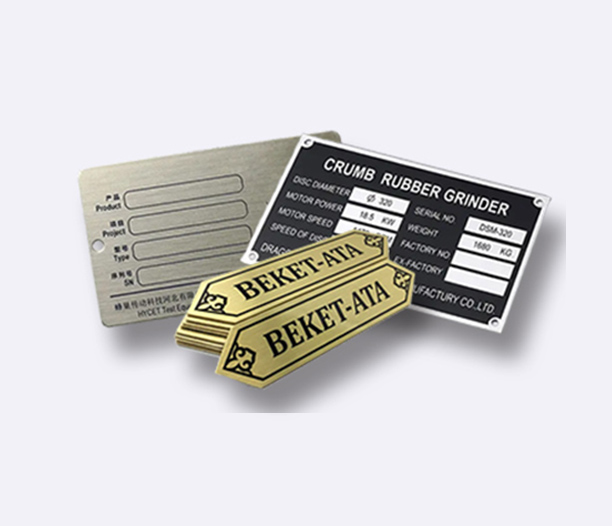
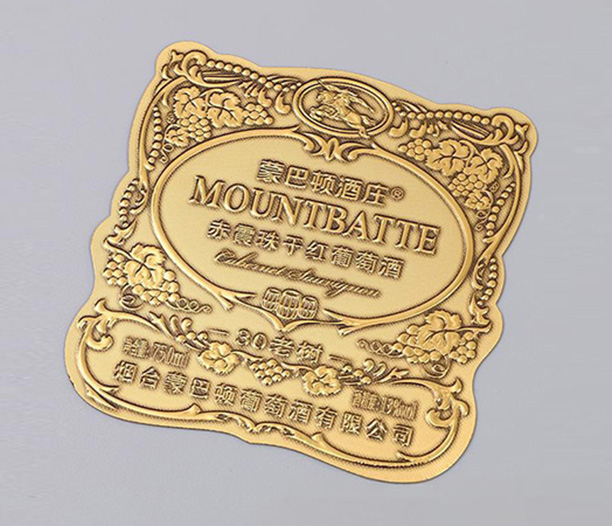
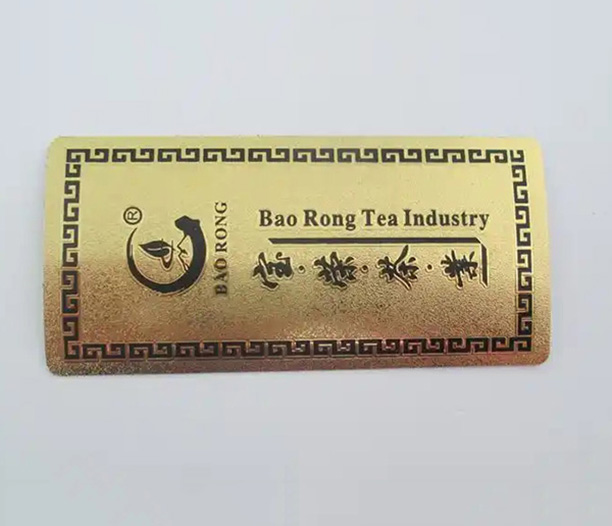
If you work in a factory, a maintenance shop, or any place with machinery, you've seen them. Those metal plates riveted to equipment, filled with crisp, permanent text. They are engraved machine tags, and they are one of the most reliable forms of asset identification available.
Unlike printed labels that can fade or peel, engraved tags are made to last the life of the equipment. This article explains what they are, why they are so effective, and where you should use them.
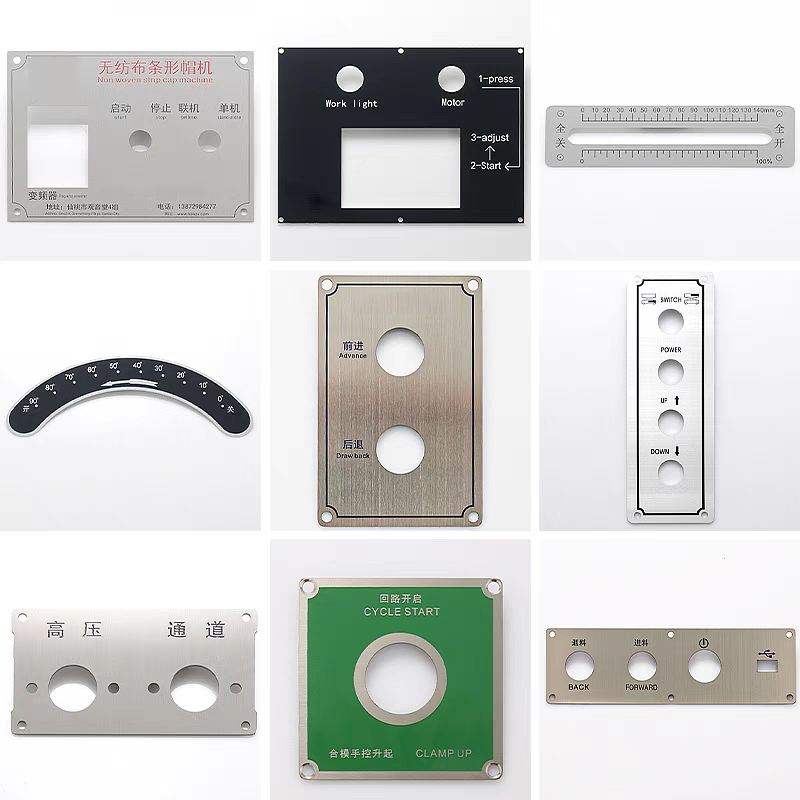
At its core, an engraved machine tag is a durable plate, usually metal, where information is physically cut into the surface. This is not ink sitting on top. The text, numbers, and logos become a permanent part of the tag itself.
The process creates deep grooves. These grooves are often filled with a colored enamel to create high contrast, making the information easy to read. This method produces durable identification plates that can withstand conditions that would destroy lesser labels.
They serve a critical function: providing unchanging, legible data for the asset's entire operational life.
The Unmatched Advantages of Engraved Tags
Why choose engraved equipment tags over cheaper alternatives? The benefits are clear and significant for industrial settings.
First is longevity. The engraved markings cannot be rubbed off, scratched off, or degraded by sunlight. They resist chemicals, oils, solvents, and extreme temperatures that would strip away printed text.
Second is professional appearance. The deep, filled engraving gives a high-quality, permanent look. It signals that the equipment is well-documented and professionally maintained. This level of permanent machine marking enhances the perceived value and organization of your facility.
Finally, they offer excellent readability. The stark contrast between the filled grooves and the base metal plate is easy to read from a distance, even in low-light conditions common in workshops.
Common Materials for Lasting Performance
The material choice for your engraved metal tags depends on the environment and required durability.
Anodized aluminum is the most popular choice. It's lightweight, corrosion-resistant, and cost-effective. The engraving cuts through the colored anodized layer, revealing the bright silver aluminum underneath for a sharp look.
Stainless steel is for the toughest jobs. It is the standard for harsh environments involving moisture, high heat, caustic chemicals, or outdoor weathering. Engraved stainless steel tags are virtually indestructible in most industrial contexts.
Brass and bronze are chosen for decorative applications or where a specific aesthetic is desired. They offer good corrosion resistance and a classic, professional appearance.
Where Engraved Tags Are Absolutely Essential
Certain environments demand the permanence that only industrial engraved tags can provide.
Heavy manufacturing and machining shops are a prime example. Tags on CNC machines, stamping presses, and robotic arms face constant exposure to cutting fluids, metal chips, and physical abrasion. A printed label would fail quickly.
Laboratory and medical equipment also use them. They need to withstand frequent sterilization, autoclaving, and chemical cleaning without losing critical calibration or identification data.
Any outdoor or marine application requires this durability. Think of tags on generators, pumps, ships, or rail components. They must endure decades of rain, UV exposure, and temperature cycles.
Information to Include on Your Tags
What should you put on your engraved asset tags? The content is as important as the tag itself.
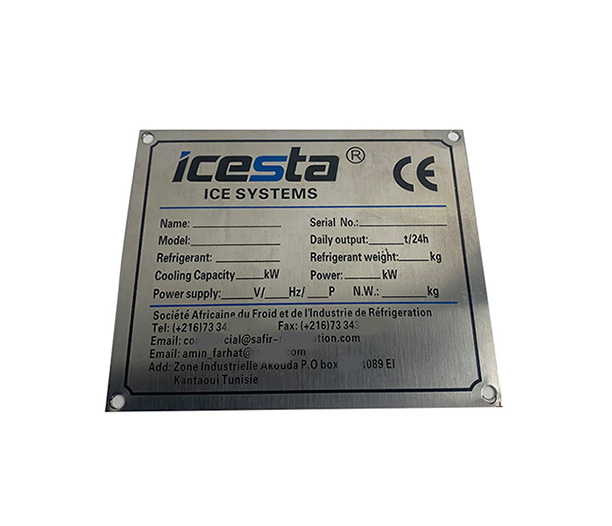
The absolute essentials are a unique asset ID number and a serial number. This is the core of any tracking system. Model numbers and key specifications (voltage, pressure, capacity) are crucial for maintenance and parts ordering.
Safety warnings and compliance certifications (like CE, UL, or OSHA labels) are often engraved because they must never become illegible. Company logos, department names, and QR codes can also be engraved or incorporated alongside the engraving for a multi-functional tag.
The Engraving Process: How It's Done
Understanding how precision engraved tags are made helps in specifying them. The two primary methods are rotary engraving and diamond drag engraving.
Rotary engraving uses a spinning cutting tool to remove material. It's faster for deep cuts and works on a wider range of materials, including plastics. It creates the classic V-shaped groove.
Diamond drag engraving uses a hard, pointed diamond tip to scratch or displace the material surface without removing it. It's excellent for fine detail and thinner materials but may not be as deep as rotary engraving.
Modern computer-controlled engraving machines ensure perfect alignment, consistency, and the ability to reproduce complex designs or serialized data with high accuracy.
Making the Choice: Engraved vs. Other Methods
Is engraving always the right choice? It's important to compare it to other common machine identification methods.
Compared to screen printing or digital printing, engraving wins on durability but may have a higher initial cost. Printing is better for low-cost, high-volume tags with simple graphics that will stay in mild environments.
Stamped metal tags are similar in durability but can distort thin materials. Engraving is often preferred for thinner gauges or when more detailed, graphic-like information is needed.
For ultimate simplicity in non-harsh settings, adhesive vinyl labels are cheap and easy. They are no substitute for a permanent engraved machine tag where reliability matters.
Conclusion: Investing in Permanent Clarity
In the lifecycle of industrial equipment, downtime is expensive. Misidentification leads to errors. Faded safety warnings create hazards. Engraved machine tags are a straightforward solution to these problems.
They represent a small, one-time investment that delivers permanent value. By ensuring that critical information remains readable for decades, you protect your safety record, your maintenance efficiency, and your asset's value.
When you need a marking that won't quit, the deep, clear lines of an engraved tag are the proven answer.
Frequently Asked Questions (FAQ)
Q1: Can engraved machine tags be read by barcode scanners?
A1: Yes, absolutely. While the engraved text itself is for human reading, barcodes (like Code 39 or Data Matrix) can be engraved as a series of precise grooves and spaces. The high contrast of the filled engraving is often excellent for scanner readability. Alternatively, a durable industrial-grade printed barcode label can be applied over a portion of the engraved metal tag.
Q2: How thin of a material can you effectively engrave?
A2: For rotary engraving, a minimum thickness of around 0.020 inches (0.5mm) is recommended for aluminum or stainless steel to prevent warping or breakthrough. Diamond drag engraving can work on materials as thin as 0.010 inches (0.25mm) since it displaces rather than removes material. Always consult with your tag supplier for material specifications.
Q3: Are the colors in the engraved letters durable?
A3: The durability of the color fill depends on the enamel used. High-quality, two-part epoxy fills are extremely durable and bond chemically to the engraved grooves. They resist the same chemicals, UV light, and abrasion as the tag material itself. For the harshest environments, you can also opt for unfilled engraving, where the bare metal contrast provides the legibility.
Q4: Can I order just one or two custom engraved tags, or do I need a large minimum order?
A4: Many suppliers cater to both one-off custom jobs and large production runs. Thanks to computer-controlled engraving, producing a single unique engraved machine tag is straightforward. However, the unit cost for a single tag will be higher due to programming and setup. For large quantities, the per-unit price drops significantly.
Q5: What file format is best for providing artwork for an engraved tag?
A5: Vector file formats are essential for clean, scalable results. Provide your design in .AI (Adobe Illustrator), .EPS, .PDF (with vector elements), or .SVG format. These files define shapes by paths, which the engraving machine can follow precisely. Avoid sending low-resolution .JPG or .PNG files, as they will result in poor-quality, pixelated engravings.