In any business that manages physical items, knowing what you have and where it is located is fundamental. This is where asset labels and tags become indispensable. They are the silent workhorses of organization, security, and efficiency.
This article breaks down everything you need to know about asset identification tags and labels. We'll cover the different types, their key applications, and how to select the right ones for your needs.
What Are Asset Labels and Tags?
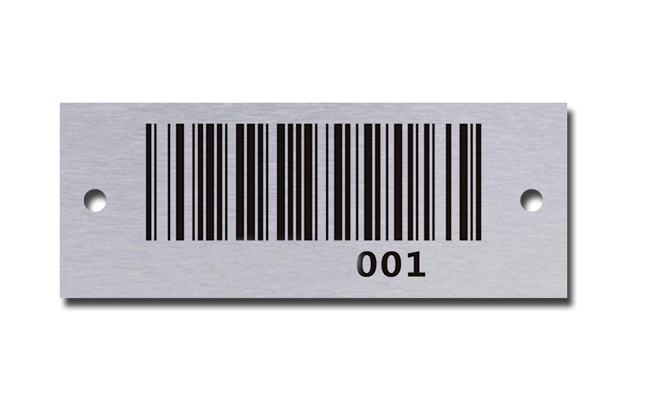
Asset labels and tags are physical markers attached to equipment, tools, furniture, IT hardware, and other valuable items. They carry unique identifying information, typically a barcode, QR code, or serial number. This data links the physical asset to a digital record in an asset tracking system.
The primary purpose is to create a reliable and auditable link between the physical world and your digital management software. Without them, fixed asset management becomes a manual, error-prone nightmare.
Core Types: Comparing Labels, Tags, and More
Not all asset tags are created equal. The right choice depends on the asset's environment and your tracking needs.
- Paper Labels: Economical and versatile. Best for indoor, office-based assets like files, furniture, or non-critical equipment. They offer basic durable printability but lack long-term resilience.
- Polyester Labels: A step up in durability. These plastic-based labels resist moisture, mild chemicals, and abrasion better than paper. Ideal for laboratory equipment, electronics, and tools in clean environments.
- Vinyl Labels: Excellent for irregular or curved surfaces. They are flexible and offer good adhesion. Often used for outdoor asset identification on vehicles or containers, though UV resistance can vary.
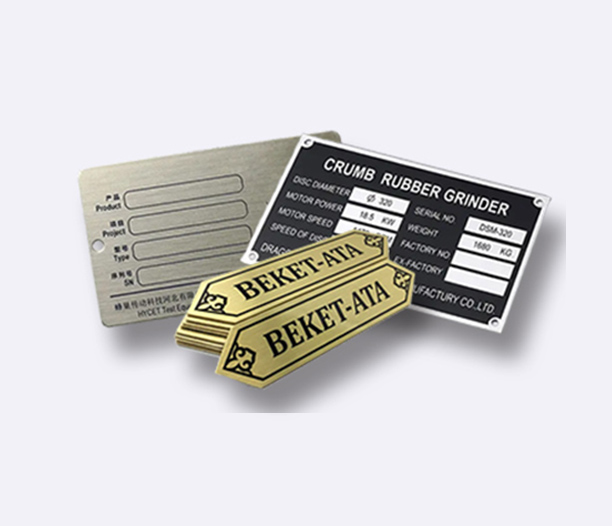
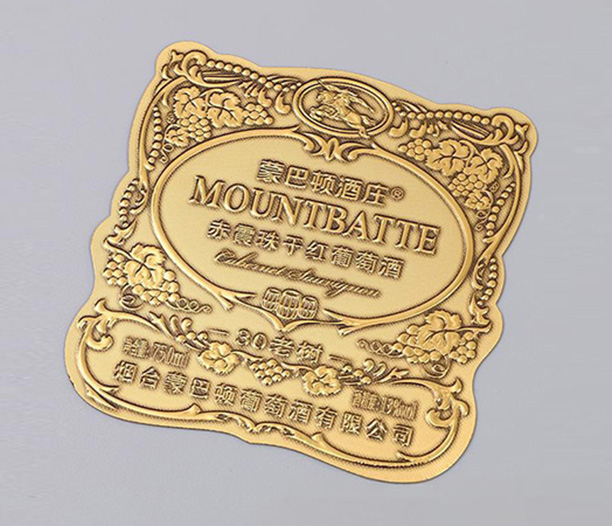
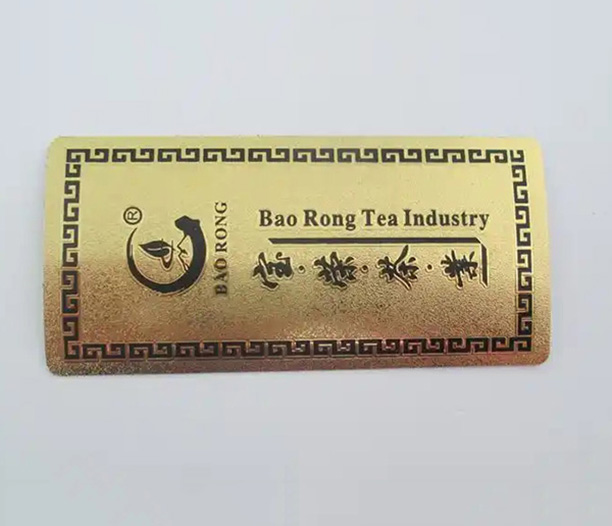
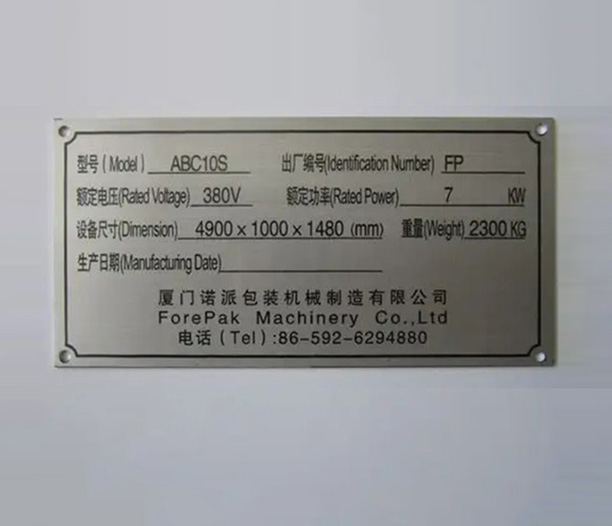
- Metal Tags: The gold standard for durability. Made from aluminum or stainless steel, they withstand extreme conditions: heat, cold, corrosion, abrasion, and outdoor exposure. Perfect for heavy machinery, industrial tools, and permanent asset marking.
- Tamper-Evident Labels: Designed to break apart or show a "VOID" message if removed. Crucial for asset security tags on IT assets, medical devices, or any item where unauthorized removal is a concern.
- RFID Tags: These contain a microchip and antenna, enabling wireless scanning without a direct line of sight. They revolutionize high-volume asset tracking in warehouses or for checking equipment in/out.
Key Applications Across Industries
The use of asset tags and labels spans virtually every sector.
- IT & Data Centers: Tracking laptops, servers, routers, and peripherals. IT asset tags help manage warranties, software licenses, and prevent loss.
- Manufacturing & Tools: Managing tools, dies, molds, and production equipment. Durable industrial asset tags reduce loss, schedule maintenance, and control calibration cycles.
- Healthcare: Tracking medical devices, diagnostic equipment, and mobile carts. Medical-grade labels must withstand frequent sterilization and cleaning.
- Education & Libraries: Managing AV equipment, lab gear, books, and furniture across campuses. Tamper-resistant asset labels deter theft.
- Facilities & Operations: Identifying fire extinguishers, HVAC units, electrical panels, and furniture for fixed asset management and compliance.
How to Choose the Right Asset Tags: A Selection Guide
Selecting custom asset labels involves answering a few key questions.
- Surface & Environment: Will it go on metal, plastic, glass, or fabric? Is it exposed to heat, oils, solvents, weather, or frequent cleaning? This dictates material.
- Durability Needs: Is this a permanent identifier for a 10-year asset, or a temporary tag for a short-term project? Long-lasting asset tags like metal or polyester are for permanent use.
- Security Concerns: Do you need to know if the tag has been moved or tampered with? Tamper-evident security labels are essential here.
- Data & Scanning: Will you use barcode scanners, smartphones (QR codes), or RFID readers? This determines the encoding technology.
- Information Required: What data must be on the tag itself? Usually a unique ID, but sometimes a name, serial number, or barcode is printed directly.
Finding a Supplier: What to Look For
When searching for a vendor for custom asset identification tags, consider these factors.
- Material Range: A good supplier offers multiple material options.
- Customization: Can they print your logo, sequential numbering, and specific colors?
- Adhesive Expertise: The adhesive is as important as the tag. They should recommend the right adhesive for your surface.
- Durability Testing: Do they provide samples or specifications for abrasion, chemical, and weather resistance?
- Integration Support: Can they provide tags compatible with popular asset tracking software systems?
Understanding Cost Factors
The price of asset labels varies widely. Simple paper labels cost pennies, while custom metal RFID asset tags can cost several dollars each. Key cost drivers include:
- Material (Metal > Plastic > Paper)
- Printing technology (laser etching vs. thermal transfer)
- Custom shapes, sizes, or colors
- Quantity (unit cost drops with higher volume)
- Technology embedded (RFID chips add cost)
View this as an investment. The right durable asset tag saves far more in reduced loss, improved efficiency, and accurate depreciation reporting.
Technology and Adhesive Science
The effectiveness of an asset label hinges on its adhesive and print permanence.
- Adhesives: Options include permanent acrylics, removable adhesives for resale assets, and high-tack formulas for textured or dusty surfaces. For challenging surfaces like plasticized cables or powder-coated metal, specific engineering is required.
- Print Durability: Thermal transfer printing with resin ribbons creates a highly durable image that resists fading and smudging, superior to direct thermal printing for long-term applications.
Installation and Maintenance Best Practices
Proper application ensures asset tracking labels last.
- Surface Prep: Clean the surface with isopropyl alcohol to remove dirt, oil, and grease.
- Application Temperature: Apply in a moderate, dry environment for optimal adhesion.
- Pressure: Use a squeegee or firm hand pressure to eliminate air bubbles and ensure full contact.
- Location: Place tags in a consistent, visible, but non-intrusive location. Avoid high-wear areas or moving parts.
The Future of Asset Identification
The field of asset tags is evolving. Smart tags with integrated sensors can now monitor temperature, shock, or humidity during transit. NFC (Near Field Communication) tags allow interaction with any smartphone, simplifying check-in/out processes for employees.
Frequently Asked Questions (FAQs)
Q1: What is the main difference between an asset label and an asset tag?
A1: The terms are often used interchangeably. Generally, a "label" is thinner, often made of polyester or vinyl with an adhesive back. A "tag" can imply a thicker, more rigid material like metal or a plastic hanging tag. Both serve the same core purpose of asset identification.
Q2: How long should a quality asset tag last?
A2: It depends entirely on the material and environment. A well-chosen polyester or vinyl label can last 3-5 years indoors. A stainless steel tag with etched information can realistically last the entire lifespan of the asset, potentially 20+ years, even in harsh conditions.
Q3: Can I create asset tags in-house with a regular printer?
A3: You can print basic labels for low-value, indoor items. However, for durable, long-term asset tracking, professionally manufactured tags are superior. They use industrial-grade materials, durable inks or etching, and specialized adhesives that standard office printers cannot replicate.
Q4: Are there asset tags that help prevent theft?
A4: Yes. Tamper-evident security labels are a strong deterrent. They leave clear visual evidence of removal. For high-value items, RFID asset tags can be integrated with doorway sensors to trigger alarms if an item leaves a designated area without authorization.
Q5: What is the best way to remove an old asset tag?
A5: For adhesive labels, gentle heat from a hairdryer can soften the adhesive for easier peeling. Use a plastic scraper to avoid surface damage. Residue can be removed with adhesive removers or isopropyl alcohol, after testing on a small area. Metal tags with screw or rivet fastenings require the appropriate tools for removal.