When you're dealing with a mobile home, there's a small but vital piece of documentation that can make or break a deal. It's the HUD label. Often overlooked, this tag holds significant weight in the world of manufactured housing. If you're buying, selling, or own a mobile home, understanding the mobile home HUD label is essential. This article breaks down everything you need to know in clear, straightforward terms. We'll cover what it is, why it matters, and how to handle common issues. Let's get started.
What is a Mobile Home HUD Label?
A mobile home HUD label is a certification tag issued by the U.S. Department of Housing and Urban Development (HUD). It's physically attached to each section of a manufactured home. This label serves as official proof that the home was built to comply with federal construction and safety standards.
These standards are known as the HUD Code. The HUD Code was established in 1976. It sets minimum requirements for design, durability, and safety. Every mobile home produced after June 15, 1976, must have this HUD label.
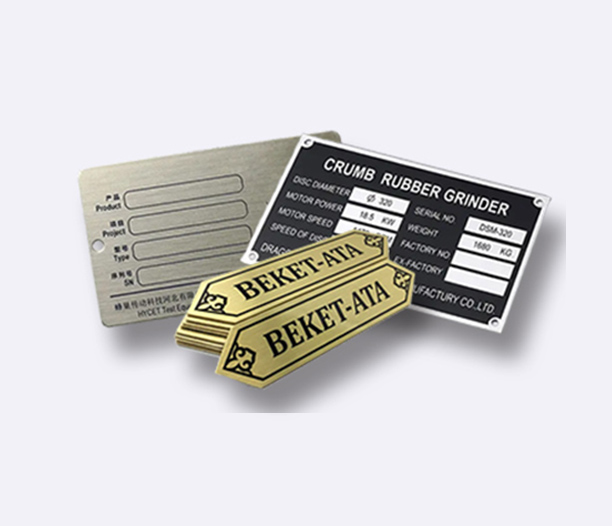
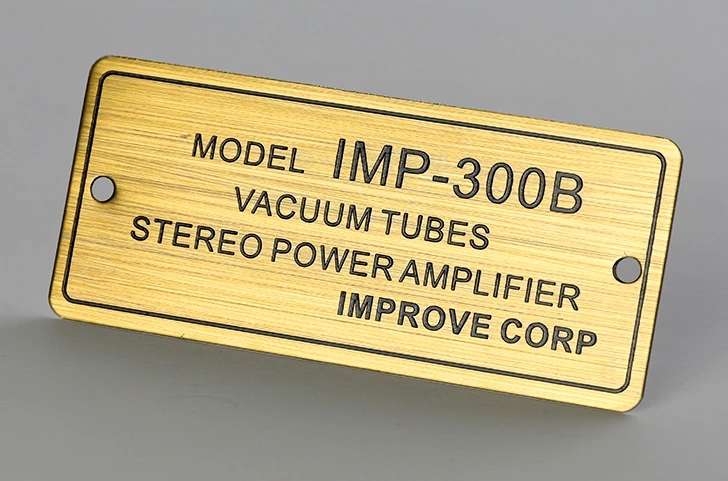
The label itself is typically made of metal or another durable material. It includes specific information. You'll find a serial number, the manufacturer's name, and the production date. The presence of a mobile home HUD label means the home has passed rigorous inspections during construction.
Without this label, a mobile home may be considered non-compliant. It could face legal and practical hurdles. The mobile home HUD label is, in essence, the home's federal seal of approval.
Why is the HUD Label So Important?
The importance of the mobile home HUD label cannot be overstated. It's a cornerstone of safety and legality in the manufactured housing industry. First and foremost, it assures occupants that the home is structurally sound and safe to live in.
For potential buyers, a valid HUD label is a green flag. It indicates the home meets national standards. This assurance is crucial when making such a significant investment. The label directly impacts the home's value and marketability.
Sellers rely on the HUD label for smooth transactions. Many real estate agents and buyers will not proceed without verifying this certification. The mobile home HUD label is often required to finalize a sale legally.
Insurance companies almost always ask for proof of a HUD label. They use it to assess risk and determine coverage eligibility. A home without a label may be uninsurable or face higher premiums.
Lenders also pay close attention. Banks and loan institutions are hesitant to finance a mobile home lacking proper HUD certification. The label provides them with security that the asset meets federal guidelines.
In short, the mobile home HUD label affects safety, finance, insurance, and legality. It's a small tag with enormous implications.
How to Locate and Identify a Genuine HUD Label
Finding the mobile home HUD label is usually straightforward. It is permanently affixed to the exterior of each transportable section. Common locations include the rear corner, the frame, or near the hitch area.
Look for a metal plate or sticker. It should be riveted or otherwise securely attached. A genuine HUD label will feature the HUD insignia. It will clearly state "Federal Manufactured Home Construction and Safety Standards" or similar wording.
The label will display a unique serial number. This number is key for verification purposes. It also shows the manufacturer's name and the date of manufacture. All this information should be legible and untampered with.
Beware of counterfeit labels. Unfortunately, some bad actors create fake HUD labels. These forgeries can be hard to spot. Always cross-check the serial number with available databases.
You can contact the manufacturer or use online resources provided by HUD. Verifying the authenticity of your mobile home HUD label is a critical step. It protects you from fraud and future legal troubles.
If the label is faded, painted over, or missing, it raises a red flag. Take action to address this issue promptly. A missing mobile home HUD label complicates many processes.
The Legal Significance of the HUD Label
The mobile home HUD label is not just a formality. It carries substantial legal weight. Federal law mandates that all manufactured homes built after 1976 must have this certification. This is under the National Manufactured Housing Construction and Safety Standards Act.
Local and state authorities often use the HUD label for permitting and zoning. When you apply for a building permit or a home installation permit, officials may ask to see the label. It proves the home complies with federal codes, which many local laws reference.
During a sale, the absence of a HUD label can derail the transaction. It may even be considered illegal to sell a home that should have one but doesn't. Buyers have the right to request proof of certification.
In legal disputes, such as liability cases after an accident, the HUD label serves as evidence. It shows the home was built to specific safety standards. This can be crucial in court proceedings.
For homeowners, maintaining the integrity of the mobile home HUD label is a legal responsibility. It's part of owning a compliant manufactured home. Always keep records and protect the label from damage.
Common Problems and Issues with HUD Labels
Many homeowners encounter issues with their mobile home HUD label. One frequent problem is a missing label. Over time, labels can fall off due to weather, accidents, or during remodeling work.
Another issue is damage. The label might become corroded, scratched, or painted over. This can make the information illegible. An unreadable HUD label is almost as problematic as a missing one.
Counterfeit labels are a serious concern. Some sellers might attach a fake HUD label to an uncertified home. This is illegal and puts future owners at risk. Always verify through official channels.
Older homes sometimes have labels that don't meet current standards. However, if the home was built post-1976, it should have a valid label. Confusion about pre-1976 homes is common. They may not require a HUD label, but this affects their value.
Losing the paperwork that matches the label is another hiccup. While the physical tag is primary, supporting documents are helpful. These issues can delay sales, refinancing, or insurance claims.
Addressing problems with your mobile home HUD label early is wise. It prevents bigger headaches down the road.
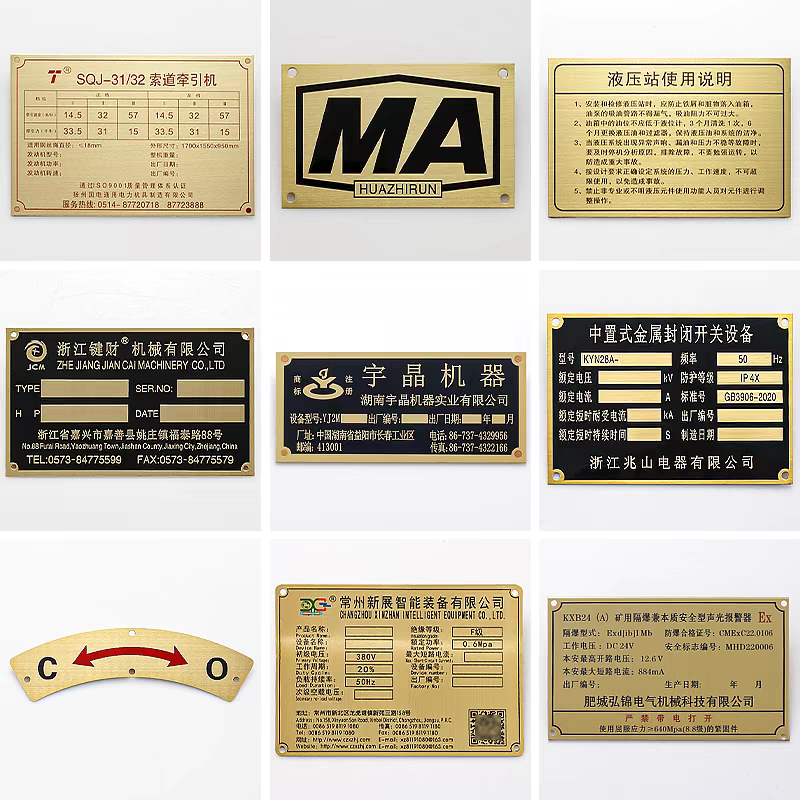
Steps to Take If Your HUD Label is Lost or Damaged
If your mobile home HUD label is lost or damaged, don't panic. There are procedures in place to get a replacement. The first step is to contact the original manufacturer. They often keep records of every home they produced.
Provide the manufacturer with any information you have. This includes the home's serial number, if known, and proof of ownership. The manufacturer can then issue a replacement HUD label or provide a letter of verification.
What if the manufacturer is no longer in business? This is a common scenario with older homes. In that case, you should reach out to your state's manufactured housing agency. Each state has an office that oversees these matters.
You can also contact HUD directly for guidance. They may refer you to appropriate resources. The process might involve an inspection of the home to verify its compliance. This ensures a new label is only issued for homes that truly meet the standards.
Be prepared for some paperwork and potential fees. The timeline can vary, so start the process as soon as you discover the issue. Having a replacement mobile home HUD label reinstates your home's legal standing.
Keep copies of all correspondence and the new label once received. This documentation is valuable for future reference.
The Role of HUD Labels in Home Appraisals and Financing
When appraising a mobile home, the HUD label plays a pivotal role. Appraisers look for this certification to determine the home's value. A home with a valid mobile home HUD label is often appraised higher. It's seen as a compliant, safer asset.
Without the label, an appraiser may significantly lower the estimated value. They might even refuse to appraise the home altogether. This directly affects how much money a lender will offer.
For financing, most traditional lenders require a HUD label. It's part of their due diligence. The label assures them that the home is a secure collateral for the loan. Some specialty lenders might finance homes without labels, but terms are usually less favorable.
If you're seeking a loan, ensure your mobile home HUD label is in order. Check it before applying for financing. This simple step can smooth the entire borrowing process.
Refinancing follows similar rules. Lenders will re-verify the HUD label during a refinance application. Keeping your label secure supports your financial flexibility over time.
Maintaining and Protecting Your HUD Label
Protecting your mobile home HUD label is a smart homeowner practice. Since it's located externally, it's exposed to the elements. Consider applying a clear, protective coating over the label. This can prevent fading and corrosion.
Avoid painting over the label during exterior renovations. If painting is necessary, mask the label carefully. You want the information to remain clearly visible at all times.
Take clear photographs of the HUD label. Store these photos with your important home documents. Note down the serial number in multiple places. This creates a backup if the physical label is ever compromised.
During any major work on your home, inform contractors about the label's location. Ask them to avoid damaging it. A little precaution goes a long way in preserving your mobile home HUD label.
Regularly check the label's condition. Make it part of your annual home maintenance routine. Catching early signs of wear allows you to take proactive steps.
FAQ Section
Q1: What is a mobile home HUD label, and is it mandatory?
A1: A mobile home HUD label is a federal certification tag showing the home meets HUD safety standards. For homes built after June 15, 1976, it is mandatory by law.
Q2: Where should I look to find the HUD label on my mobile home?
A2: The HUD label is typically riveted to the exterior of each section. Common spots are the rear corner, the steel frame, or near the towing hitch. It's usually a metal plate.
Q3: Can I sell my mobile home if the HUD label is missing?
A3: Selling is possible but can be very difficult. Many buyers and lenders require the label. It's strongly advised to get a replacement HUD label before listing the home for sale.
Q4: How can I tell if a HUD label is authentic or fake?
A4: Genuine labels have sharp, clear engraving or printing, a HUD insignia, and a serial number. Verify the number with the manufacturer or state housing agency. Poor-quality materials or misspellings are red flags.
Q5: What should I do if my home was built before 1976 and has no HUD label?
A5: Homes built before the HUD Code took effect are not required to have a label. However, you may need to provide other proof of ownership and condition for transactions. Its value may be assessed differently.