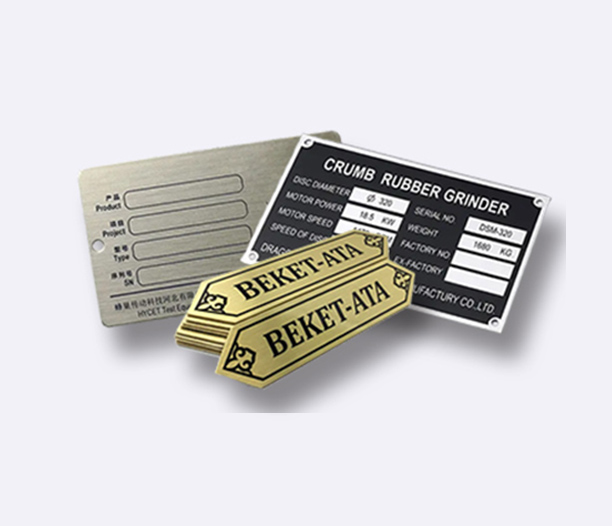
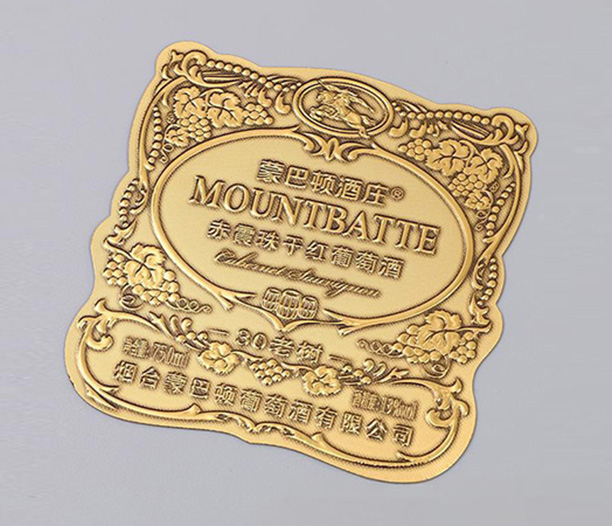
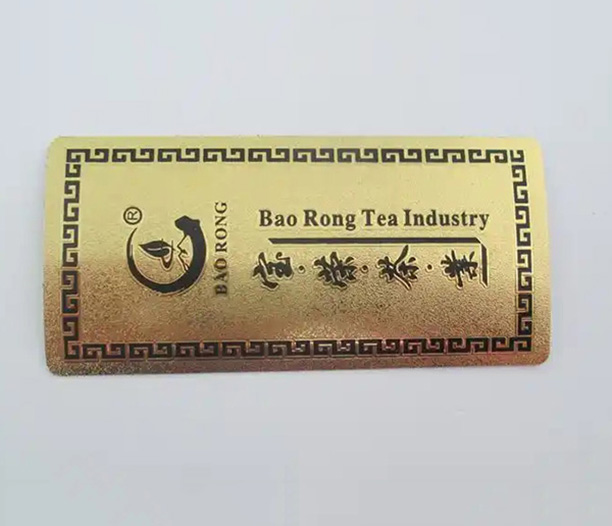
In a world filled with disposable products and fading prints, there is a constant need for identification that lasts. Where standard stickers peel and painted markings wear away, a more permanent solution stands firm. This is where engraved metal labels prove their unmatched value.
These labels are not just nameplates; they are durable data carriers, critical for asset tracking, safety compliance, brand prestige, and long-term identification across countless industries. The process of engraving creates deep, physical grooves into the metal substrate, ensuring the information becomes an integral part of the label itself.
Whether on a factory floor, embedded in infrastructure, or attached to a luxury product, metal engraved labels communicate permanence, reliability, and attention to detail. They withstand environments that would destroy lesser tags.
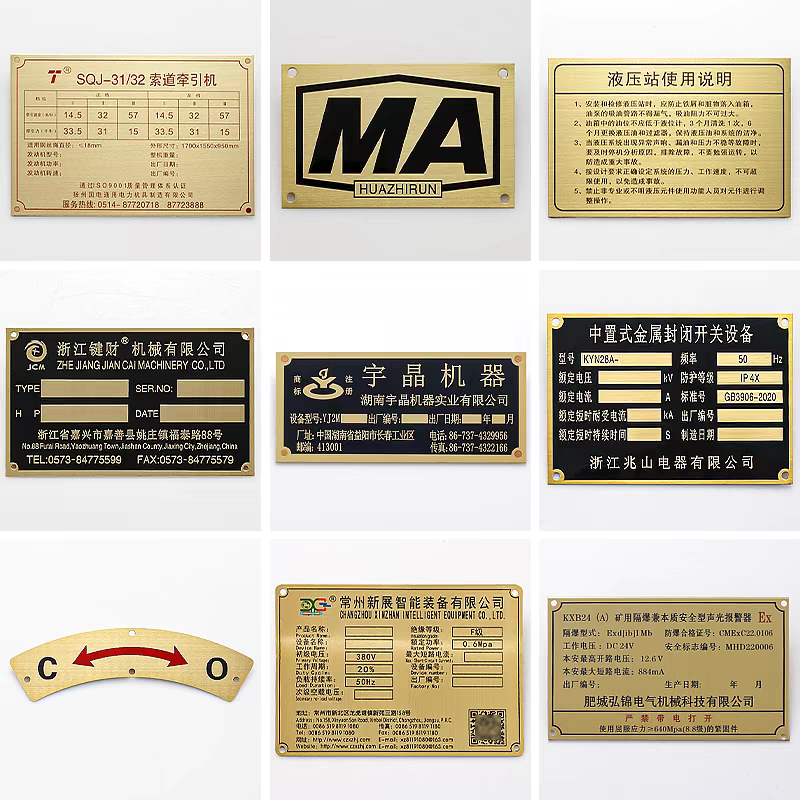
What Are Engraved Metal Labels Made Of?
The effectiveness of a metal nameplate begins with its material. The choice depends on the required durability, environmental exposure, and aesthetic goals.
Stainless steel is the workhorse. It offers excellent corrosion resistance, high strength, and a professional, industrial look. Engraved stainless steel labels are ideal for harsh conditions, including outdoors, washdown areas, and chemical exposure.
Aluminum is lightweight, cost-effective, and highly versatile. It can be anodized in various colors before engraving, creating a vivid contrast. Engraved aluminum labels are perfect for equipment, electronic panels, and interior applications where weight is a factor.
Brass and bronze provide a classic, elegant appearance, often associated with heritage, prestige, and maritime applications. Over time, they can develop a distinctive patina. Engraved brass labels convey tradition and quality.
Other specialty metals like zinc or coated steels are also used for specific applications requiring unique properties or budgets.
The Engraving Process: How Permanent Marks Are Made
The term "engraving" covers several precise manufacturing techniques used to create durable metal labels.
Diamond drag engraving uses a hard-tipped tool to scratch the metal surface. It is fast and effective for creating high-contrast marks on softer metals like aluminum and brass. The result is a clean, crisp groove.
Rotary engraving employs a spinning cutting tool to remove material, creating deeper, more pronounced grooves. This method is suited for thicker materials and applications where the tactile feel of the engraving is important, such as for Braille or heavy-duty asset tags.
Laser engraving has become incredibly popular. A high-powered laser beam vaporizes the metal surface with pinpoint accuracy. This method is computer-controlled, allowing for intricate designs, variable data, and complex logos. Laser engraved metal labels offer exceptional precision and repeatability.
Each process transforms a blank metal sheet into a permanent, legible, and professional identification solution.
Key Applications: Where Engraved Metal Tags Excel
The robustness of engraved metal labels makes them indispensable in fields where failure is not an option.
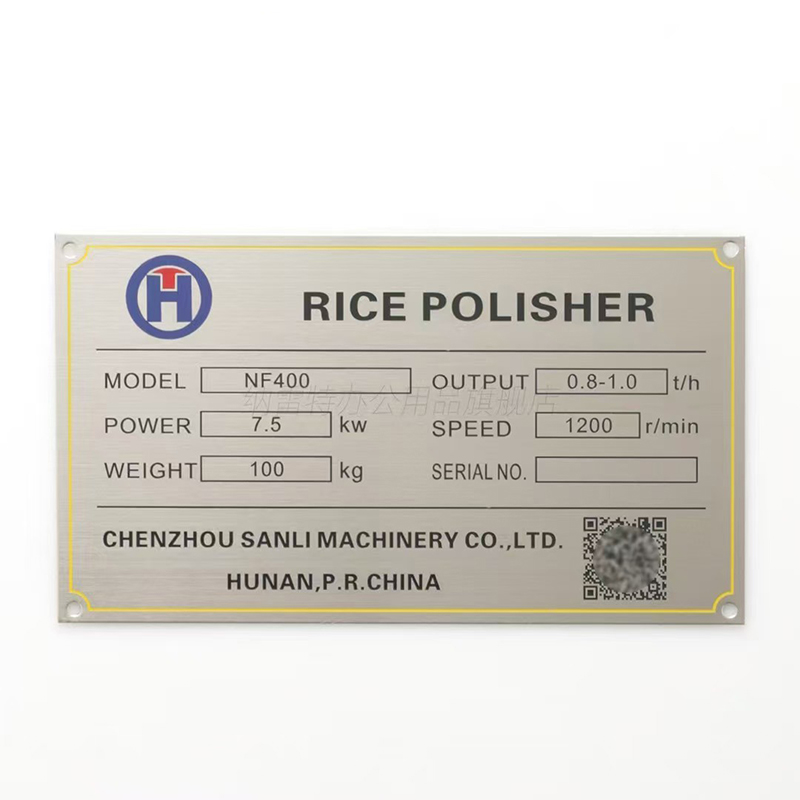
In industrial and manufacturing settings, they serve as permanent equipment nameplates. They display serial numbers, model information, electrical ratings, and safety warnings on machinery, control panels, and tools. These industrial metal tags must resist oil, solvents, and abrasion.
For asset identification and tracking, metal asset tags are paramount. Engraved with unique barcodes, QR codes, or serial numbers, they provide a permanent reference point for inventory management throughout an asset's decades-long lifecycle.
Outdoor and architectural applications demand resilience. Engraved metal labels are used for property signage, memorial plaques, pipeline markers, and utility identification. They endure decades of sun, rain, snow, and temperature swings without significant degradation.
In the aerospace, defense, and automotive sectors, compliance and traceability are critical. Engraved metal nameplates meet strict standards for part identification, providing permanent data for maintenance, safety, and regulatory audits.
Even in retail and branding, a metal label elevates a product. Used for luxury goods, awards, or high-end appliance branding, they communicate quality and permanence that resonates with consumers.
Advantages Over Alternative Labeling Methods
Choosing engraved metal labels over other options is an investment in long-term performance.
Their foremost benefit is extreme durability. They are resistant to UV fading, high temperatures, chemical spills, abrasion, and weathering. The information is not just printed on the surface; it is carved into it.
This leads to unparalleled longevity. While a plastic label may become brittle and a vinyl sticker may fade, a metal engraved label will remain legible for the lifetime of the product or asset it identifies. This reduces long-term replacement costs and data loss.
They offer professional credibility. The substantial feel and crisp appearance of a metal nameplate suggest quality and reliability. This enhances brand perception and instills user confidence in the product or equipment.
Engraving also provides excellent readability. The deep grooves can be filled with enamel paint (often black or colored) to create a high-contrast, easy-to-read finish that stands out in low-light or busy environments.
Finally, they are highly secure. Being mechanically attached with rivets, screws, or strong adhesives, engraved metal tags are difficult to remove tamper-evidently, making them ideal for security and anti-counterfeiting applications.
Designing and Ordering Your Custom Labels
Getting the right engraved metal label starts with clear planning. Consider the information hierarchy: what is the most critical data? Ensure serial numbers, ratings, or warnings are prominent.
Size and thickness matter. The label must fit the available space while being thick enough to remain rigid. Mounting method is crucial—decide between adhesive backing, holes for mechanical fasteners, or welding.
For optimal readability, choose a simple, sans-serif font. Vector-based artwork is required for logos to ensure clean, sharp engraving. A high-contrast color fill, like black paint in silver aluminum, dramatically improves legibility.
When speaking with a manufacturer, be prepared to discuss material choice, engraving depth, fill color, and finish (e.g., mill, brushed, or polished). Providing a detailed drawing or specification sheet minimizes errors and ensures your custom engraved metal labels meet exact requirements.
Frequently Asked Questions (FAQ)
Q1: What is the typical lead time for ordering custom engraved metal labels?
A1: Lead times vary based on complexity and order quantity. Simple, standard designs can often ship within 5-10 business days. Larger custom orders with multiple proofs, special materials, or complex artwork may take 2-4 weeks. It's always best to consult with your manufacturer for a precise timeline.
Q2: How do engraved metal labels hold up in extremely high-temperature environments?
A2: Exceptionally well. Metals like stainless steel and aluminum can withstand continuous high temperatures far beyond the limits of plastics or inks. The engraving itself is a physical modification to the metal, so it will not melt, burn, or degrade under heat, making them ideal for engine components, industrial ovens, and other hot applications.
Q3: Can you include barcodes or QR codes on an engraved metal tag?
A3: Absolutely. Laser engraving technology excels at producing precise, machine-readable codes directly onto the metal surface. This is a common and highly effective method for creating permanent metal asset tags for inventory tracking and data management systems.
Q4: Are there options for colored backgrounds or text on engraved labels?
A4: Yes. The most common method is through anodizing (for aluminum) or applying an enamel fill. The engraved grooves are filled with a durable colored paint, which is then wiped from the surface, leaving color only in the engraved areas. This creates a vibrant, high-contrast finish, such as black text on a silver label or white text on a dark background.
Q5: What is the best way to mount an engraved metal label?
A5: The best method depends on the surface and the need for permanence. For a secure, permanent fit, mechanical fasteners like rivets, screws, or nuts/bolts are recommended. For smooth, clean surfaces, high-performance industrial-grade adhesives (like VHB tape) provide a very strong bond without drilling. Welding is another option for certain metals and industrial applications.