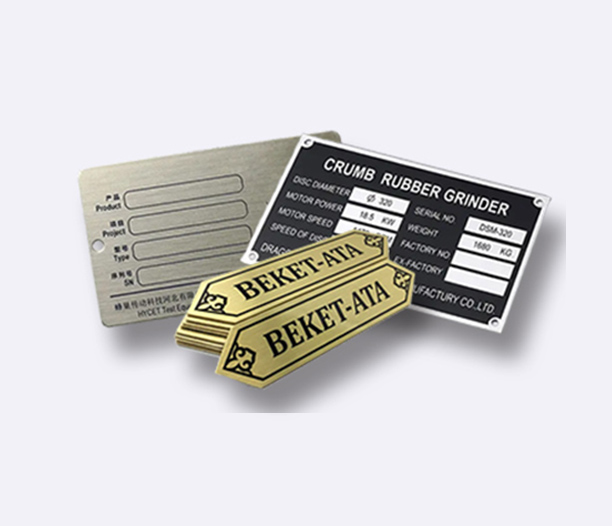
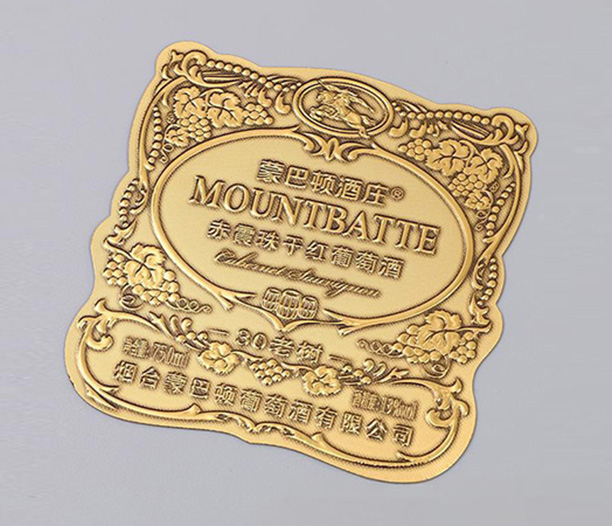
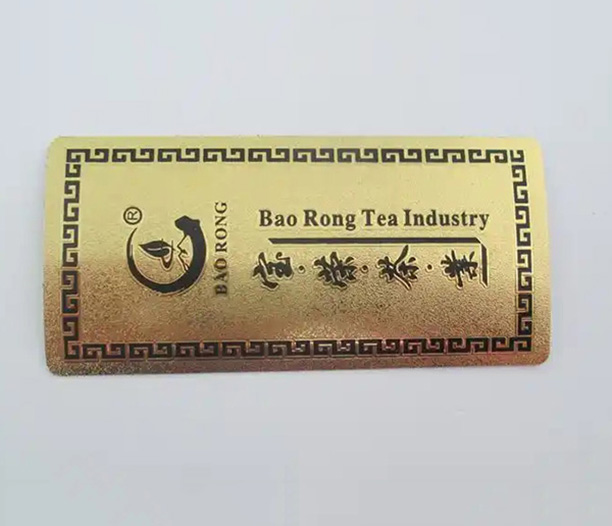
In any industrial setting, reliable identification is not a luxury—it's a necessity. When assets, equipment, and components face heat, chemicals, weather, and physical wear, ordinary labels fail. This is where stainless steel tags prove their worth.
These durable markers are the backbone of permanent identification systems. They provide a trustworthy data point that lasts for the lifetime of the item they're attached to. For engineers, maintenance managers, and safety officers, stainless steel tags offer peace of mind.
This article explains why stainless steel is the material of choice for challenging applications and how to select the right tag for your needs.
What Makes Stainless Steel the Go-To Material for Tags?
Stainless steel is an iron alloy containing a minimum of 10.5% chromium. This chromium content is the key to its legendary performance. It forms a passive, self-repairing oxide layer on the surface that resists rust and corrosion.
This inherent property translates directly into long-lasting stainless steel tags. They maintain their integrity and legibility where other materials would degrade.
Beyond corrosion resistance, the material offers excellent strength and a professional appearance. It can withstand significant impact, abrasion, and stress without deforming or breaking.
Core Advantages Over Other Materials
Compared to aluminum, plastic, or vinyl, stainless steel nameplates hold distinct advantages in harsh settings.
- Superior Corrosion Resistance: They perform flawlessly in marine environments, chemical plants, food processing facilities, and outdoor installations exposed to rain and salt.
- High Temperature Tolerance: Stainless steel tags can endure extreme heat and cold without melting, warping, or becoming brittle. This makes them ideal for boilers, engines, and machinery.
- Exceptional Durability: They are highly resistant to scratching, abrasion, and impact. Information stamped or etched into the metal is permanently legible.
- Easy Sterilization: Their non-porous surface allows for repeated cleaning and sterilization with harsh chemicals or high-pressure steam. This is critical in medical, pharmaceutical, and food industry applications.
- Professional and Permanent Look: The material conveys a sense of permanence and quality, important for asset management and compliance labeling.
Common Types and Manufacturing Processes for Stainless Steel Tags
Not all stainless steel tags are made the same way. The manufacturing process determines the look, cost, and best use for the tag. Understanding these methods helps in specifying the correct product.
The three primary methods are etching, stamping, and laser marking. Each has its strengths.
Photo-Chemical Etching
This is a precise and versatile process. A photoresist mask is applied to the stainless steel sheet, and the desired design is developed onto it. The exposed metal is then etched away using a chemical bath.
Etched stainless steel tags offer several benefits:
- High Detail: Capable of producing very fine lines, small text, and complex logos.
- No Stress or Burrs: The process does not deform the metal, leaving a smooth, burr-free finish.
- Cost-Effective for Complex Designs: Ideal for intricate graphics or serialized data panels.
The result is a clean, legible tag where the information is recessed into the metal, often filled with durable enamel for color contrast.
Metal Stamping
This traditional method uses a hardened steel die to press information into the metal blank. It can be done as a single hit for simple text or with progressive dies for more complex shapes.
Stamped metal identification tags are known for:
- Extreme Durability: The information is physically formed into the metal, making it nearly impossible to wear off.
- Tactile Feel: Characters are often raised or indented, allowing for identification by touch.
- High-Speed Production: Very efficient for large volumes of simpler tags.
Stamping is excellent for serial number plates, VIN tags, and heavy-duty asset labels.
Laser Marking
A focused laser beam alters the surface of the stainless steel. It can anneal (creating a dark contrast mark), engrave (removing material), or ablate a coating.
Laser marked stainless steel tags provide:
- Flexibility and Speed: Perfect for custom, one-off tags or variable data like serial numbers and barcodes.
- Permanent Marks: The laser creates a mark that is integral to the material surface.
- Clean and Precise: Produces high-resolution marks without physical contact or tooling wear.
This method is increasingly popular for just-in-time manufacturing and high-mix identification needs.
Key Applications Where Stainless Steel Tags Are Essential
The properties of stainless steel make it the only choice for numerous demanding sectors. These durable asset tags provide critical information flow in environments that would destroy lesser labels.
Their use is driven by a combination of regulatory compliance, operational necessity, and safety.
Industrial and Manufacturing
Factories rely on stainless steel tags for equipment identification. They label machinery, valves, piping systems, and electrical panels.
These tags withstand oil, coolant, solvents, and constant vibration. They ensure that model numbers, serial numbers, and safety warnings remain readable for decades, aiding in maintenance and traceability.
Outdoor and Marine Environments
For assets exposed to the elements, stainless steel tags are indispensable. They are used on offshore platforms, ship components, shipping containers, and utility infrastructure.
Their resistance to saltwater corrosion and UV radiation prevents data loss. Park benches, historical plaques, and survey markers also use stainless steel for its longevity and appearance.
Medical, Pharmaceutical, and Food & Beverage
These industries have stringent hygiene and sterilization protocols. Surgical instruments, processing tanks, and sterilizable equipment are tagged with stainless steel nameplates.
The tags can survive repeated autoclaving (high-pressure steam) and aggressive chemical cleaning without degrading. This is vital for instrument tracking and batch process identification.
High-Temperature and Safety-Critical Uses
In power generation, aerospace, and automotive sectors, components face extreme heat. Stainless steel tags are attached to boilers, turbines, exhaust systems, and engine parts.
They also serve as permanent safety labels for pressure vessels and valves, providing never-fail instructions and ratings required by OSHA and other regulatory bodies.
How to Specify the Right Stainless Steel Tag for Your Project
Selecting the correct tag involves more than just choosing "stainless steel." Several specifications impact performance and cost.
A clear set of requirements ensures you get stainless steel tags that perform as expected for their entire service life.
Choosing the Grade and Finish
The most common grades for tags are 304 and 316 stainless steel.
- Grade 304: Offers excellent general corrosion resistance. It is suitable for most industrial and indoor applications.
- Grade 316: Contains molybdenum, providing superior resistance to chlorides and acids. This is the preferred choice for marine, chemical, and coastal outdoor applications.
Finishes range from brushed (satin) to polished (mirror) to a non-reflective matte bead-blast. The finish affects both aesthetics and legibility under different lighting conditions.
Determining the Information and Marking Method
List all the data the tag must hold: asset number, serial number, barcode/QR code, model, ratings, and safety symbols. This dictates the tag's size and the best marking process.
For simple text and numbers, stamping may suffice. For a logo, small text, and a barcode, etching or laser marking is likely necessary. Consider the need for color filling (like black-filled text) for enhanced contrast.
Selecting Attachment Methods
A tag is only as good as its bond to the asset. Common methods for stainless steel tags include:
- Adhesive: High-performance industrial acrylic or epoxy adhesives are used. The surface must be clean and compatible. Some adhesives are rated for high temperatures.
- Mechanical Fasteners: Rivets, screws, or welding lugs offer the most permanent and reliable attachment, especially on rough or hot surfaces.
- Wire or Chain: For tags that need to be attached to handles or loops, holes can be drilled for wire or cable ties.
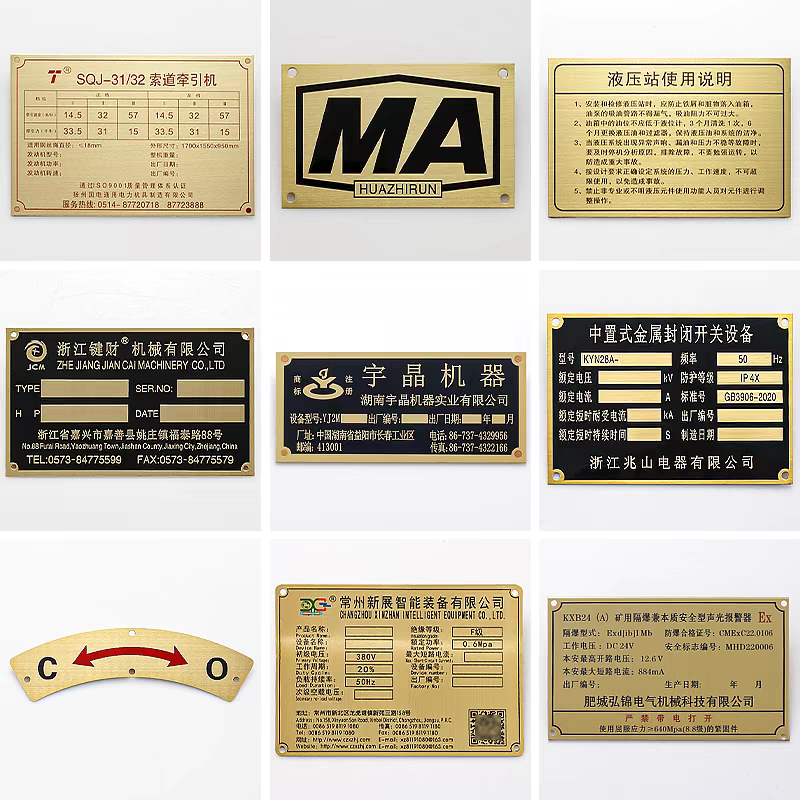
Caring for and Installing Stainless Steel Tags
While low-maintenance, proper handling ensures optimal performance and longevity of your stainless steel identification tags.
Following best practices from the start prevents issues down the line.
Installation Best Practices
Surface preparation is critical for adhesive-backed tags. Clean the area thoroughly with isopropyl alcohol to remove oil, dirt, and dust. Ensure the surface is dry.
Apply firm, even pressure across the entire tag surface. For riveted tags, use the correct size rivet tool to ensure a secure, flush fit without damaging the tag.
Long-Term Maintenance
Stainless steel tags are often considered "install and forget." However, periodic visual inspections are wise. Check for any buildup of grime that could obscure information.
Clean tags with a soft cloth, mild soap, and water. For tougher deposits, non-abrasive cleaners are safe. Avoid steel wool or harsh chloride-based cleaners, as they can damage the protective oxide layer.
Frequently Asked Questions (FAQs) About Stainless Steel Tags
Q1: Can stainless steel tags rust?
A1: While highly resistant, stainless steel is not completely impervious to rust under certain conditions. Prolonged exposure to harsh chemicals, salt, or in environments where the protective oxide layer is mechanically damaged can lead to surface staining or corrosion. Choosing grade 316 over 304 significantly improves resistance in corrosive settings.
Q2: How can I add a barcode or QR code to a stainless steel tag?
A2: Both etched and laser-marked stainless steel tags can accurately hold machine-readable codes. Laser marking is particularly effective for high-resolution 2D barcodes and QR codes, as it can produce the fine detail required for reliable scanning.
Q3: Are stainless steel tags magnetic?
A3: The common austenitic grades (304, 316) are generally non-magnetic in their annealed state. However, cold working during the stamping or cutting process can induce slight magnetic properties in localized areas. If magnetism is a critical concern, it should be discussed with the manufacturer.
Q4: What is the temperature limit for stainless steel tags?
A4: Standard stainless steel tags can continuously withstand temperatures from cryogenic ranges up to about 800-900°C (1472-1652°F) for short periods, depending on the grade. For extreme, sustained high-temperature applications, specific high-temperature alloys or marking methods may be recommended.
Q5: Why are stainless steel tags more expensive than aluminum tags?
A5: The raw material cost of stainless steel is higher than aluminum. Additionally, it is a harder metal, which can make cutting, stamping, and marking slightly more labor and tool-intensive. The premium is justified by its far superior strength, corrosion resistance, and durability in demanding applications.