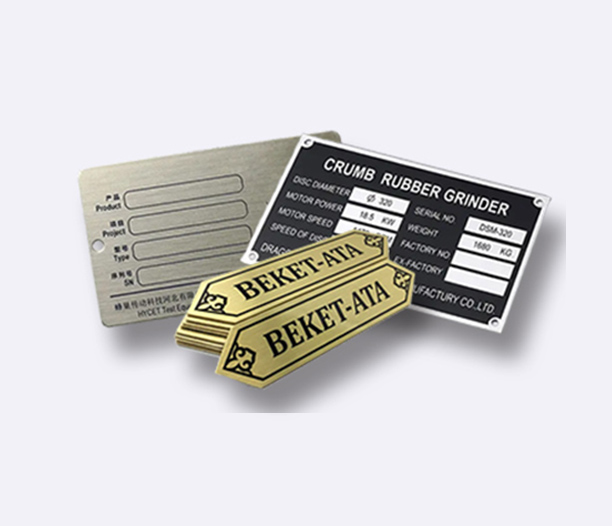
You see them every day, but you might not think much about them. Equipment nameplates are those small, information-packed plates attached to almost every piece of machinery and industrial asset. From a simple office printer to a massive construction excavator, these tags are the permanent ID card and data source for the equipment.
They are far more than just a sticker or a piece of metal. Equipment nameplates are critical for safety, operations, maintenance, and compliance. A missing or damaged nameplate can lead to costly downtime, safety risks, and regulatory fines.
This article explains what equipment nameplates do, the different types available, and why selecting the right one is a crucial business decision.
What Are Equipment Nameplates and What Is Their Core Purpose?
Equipment nameplates, often called machine labels or asset tags, are durable markers permanently affixed to equipment. Their primary job is to convey essential information that does not change over the asset's life.
Think of them as the equipment's birth certificate. They provide the foundational data that everyone—from operators to mechanics to safety inspectors—relies on.
The core purpose is identification and information. This supports several key operational areas and ensures that basic, critical data is always physically with the machine itself.
Key Information Found on Standard Equipment Nameplates
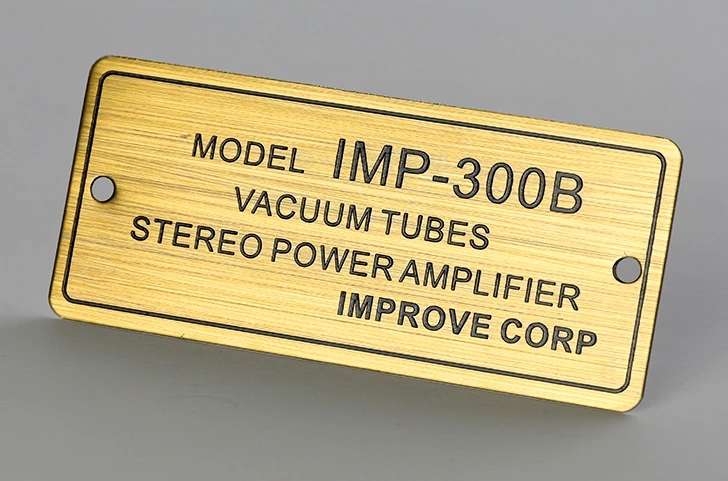
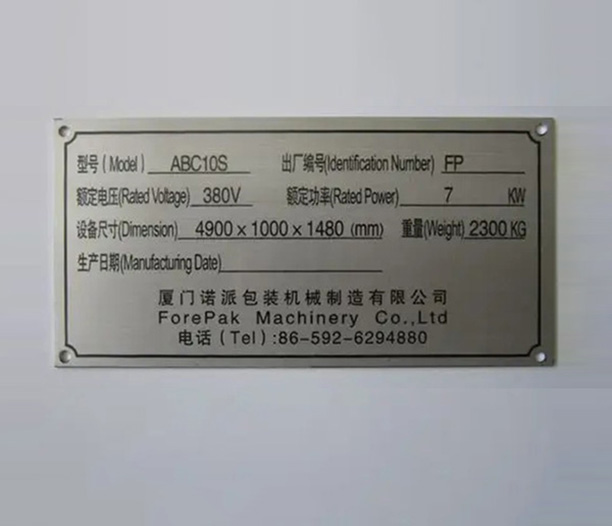
The content on equipment nameplates is standardized for clarity and safety. While specific needs vary, common data points include:
- Manufacturer Details: The company that made the equipment.
- Model and Serial Number: The unique identifier for that specific unit. This is vital for ordering correct parts and tracking warranty status.
- Date of Manufacture: When the equipment was built.
- Technical Specifications: This can include voltage (V), amperage (A), power rating (kW/HP), pressure (PSI/Bar), or weight capacity.
- Safety Certifications: Marks from organizations showing the equipment meets specific safety standards.
- Compliance Labels: Information required by regulations, such as from OSHA or other safety bodies.
The Different Types of Equipment Nameplates: Materials and Methods
Not all equipment nameplates are created equal. The environment and use case dictate the best material and attachment method. Choosing the wrong type leads to premature failure and unreadable tags.
The right equipment nameplate survives the life of the asset. This requires matching the tag to conditions like weather, chemicals, heat, abrasion, and required lifespan.
Common Materials for Durable Nameplates
- Anodized Aluminum: A top choice for general industrial use. It's lightweight, corrosion-resistant, and accepts high-quality printing. Anodizing creates a hard, protective surface.
- Stainless Steel: The go-to for harsh environments. It resists extreme temperatures, chemicals, and corrosion. Often used in food processing, medical, marine, and outdoor applications.
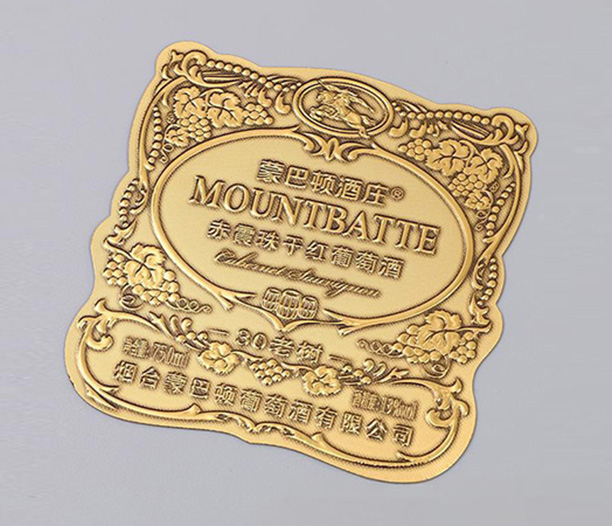
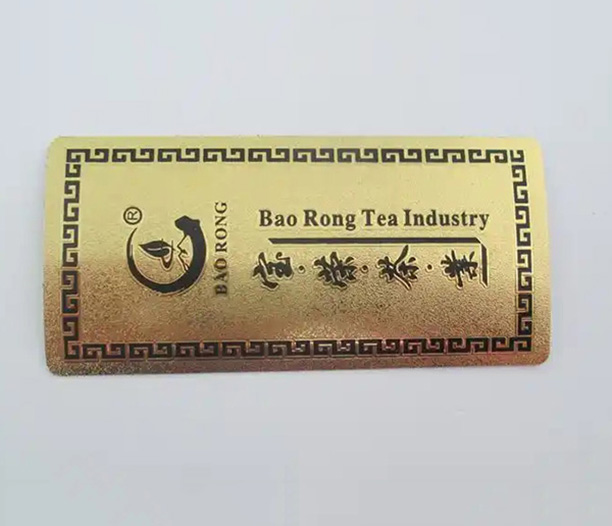
- Brass or Bronze: Used for a classic, decorative look with good corrosion resistance. Common on historical equipment, plaques, and in certain architectural applications.
- Polyester or Vinyl Labels: Flexible, adhesive-backed labels. Ideal for smooth surfaces indoors or on electronics. Modern polyester labels can be very durable with protective overlaminates.
- Embossed Metal Tags: Where information needs to be tactile or extremely durable. The raised characters won't wear off from abrasion.
How Nameplates Are Made and Attached
- Photo Anodization (Photo Etching): Creates high-resolution, intricate graphics on aluminum. The design is etched into the anodized layer, making it extremely durable and legible.
- Screen Printing: A cost-effective method for simpler designs and medium volumes. Ink is layered onto the material. A protective overcoat is often added.
- Digital Printing: Excellent for full-color graphics, barcodes, or QR codes on materials like polyester or aluminum. Allows for easy customization and low-volume runs.
- Attachment Methods: The best equipment nameplate is useless if it falls off. Common methods include strong industrial adhesives, rivets, screws, or welding lugs for permanent installation.
Why Investing in Quality Equipment Nameplates Is Non-Negotiable
Skipping on quality or treating nameplates as an afterthought creates significant risk. Robust equipment nameplates deliver tangible value and protect your investment.
They are a small component with a massive impact on total cost of ownership and operational safety.
Ensuring Safety and Regulatory Compliance
This is the most critical function. Equipment nameplates provide the warnings and specifications needed for safe operation.
They inform operators of hazards, weight limits, and energy sources. Inspectors check them to verify compliance with safety regulations. Missing or illegible equipment nameplates can result in work stoppages and serious fines.
Facilitating Efficient Maintenance and Repair
When a machine breaks down, the technician's first step is to find the model and serial number. This information, found on the equipment nameplate, allows for quick identification of the correct service manual and replacement parts.
It streamlines the repair process, reducing machine downtime. It also helps accurately track maintenance history for individual assets.
Protecting Your Asset Investment and Warranty
The serial number on an equipment nameplate is the definitive proof of ownership and manufacturing date. It is required for warranty claims and for accurate asset valuation.
It also aids in theft recovery, as the unique serial number can be registered with authorities.
Choosing the Right Equipment Nameplate: Key Considerations
Selecting nameplates is a specification process. Asking the right questions ensures you get tags that last.
Consider the entire lifecycle of the equipment and the tag's role within it.
Assessing the Operating Environment
Where will the tag live? Indoor climate control is very different from an outdoor refinery.
Key environmental factors include:
- Temperature Extremes: Will it face freezing cold or high heat?
- Chemical Exposure: Is it near oils, solvents, acids, or cleaners?
- UV/Sunlight Exposure: This causes fading and material degradation.
- Abrasion or Impact: Will it be scratched, scraped, or hit?
- Moisture and Corrosion: Is it in a washdown area or coastal environment?
Defining Information and Durability Needs
List all the information that must be on the primary equipment nameplate. Consider if you need sequential barcodes or QR codes for asset tracking.
Determine the required lifespan. Should it last 5 years, 20 years, or the lifetime of the machine? This directly influences material and printing method choice.
Planning for Readability and Long-Term Adhesion
The best data is useless if you can't read it. Ensure text size, font, and contrast are suitable for the viewing distance and lighting conditions.
The adhesive or mechanical fasteners must be specified for the surface material (painted metal, plastic, stainless steel) and the environment. A proper surface prep guide should be followed during installation.
Maintaining and Managing Your Equipment Nameplates
A good equipment nameplate program doesn't end at installation. Regular checks ensure they continue to perform their vital functions.
Incorporate nameplate inspection into routine maintenance schedules.
Regular Inspection and Cleaning Protocols
During visual inspections, check that all equipment nameplates are present, securely attached, and fully legible.
Clean them with appropriate, non-abrasive cleaners. Avoid harsh chemicals that could degrade the print or material.
Strategies for Replacement and Updating
If a nameplate is damaged or missing, replace it promptly. Keep a digital record (photo and data) of all equipment nameplates as a backup.
For information that changes (like calibration dates), use a secondary, replaceable label next to the permanent nameplate. Never modify the original manufacturer's nameplate.
Frequently Asked Questions (FAQs) About Equipment Nameplates
Q1: What is the most durable type of equipment nameplate for outdoor use?
A1: For long-term outdoor durability, stainless steel nameplates made with etched or embossed information are often the best choice. They excel at resisting corrosion, UV fading, and physical abrasion from weather and debris.
Q2: Can I add my own company logo and information to an equipment nameplate?
A2: Absolutely. Most manufacturers of custom equipment nameplates can incorporate your company logo, asset number, barcode, and specific contact information alongside the OEM's required technical data. This is common for asset tracking.
Q3: What should I do if the original equipment nameplate is missing or unreadable?
A3: First, try to locate the information in purchase records or manuals. Then, contact the equipment manufacturer. They may provide a replacement. If not, a professional nameplate manufacturer can create a durable replacement tag with the available data, clearly marking it as a "reproduction."
Q4: Are there regulations governing what must be on an equipment nameplate?
A4: Yes, numerous regulations apply depending on the equipment type and location. Organizations like OSHA (Occupational Safety and Health Administration) and agencies governing electrical equipment, pressure vessels, and machinery often have specific labeling requirements for safety and compliance data.
Q5: How can I securely attach a nameplate to a rough or oily surface?
A5: For challenging surfaces, mechanical fasteners like rivets or screws are the most reliable. If adhesives must be used, select a high-bond industrial-grade adhesive (like a heavy-duty VHB tape) designed for oily metals or plastics, and ensure the surface is cleaned and primed according to the adhesive manufacturer's instructions.