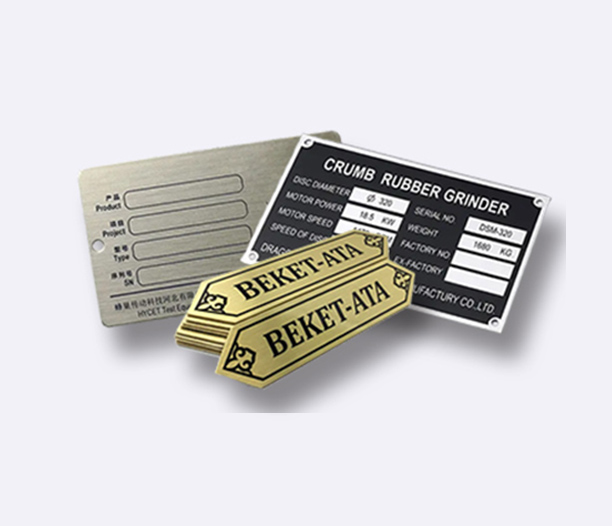
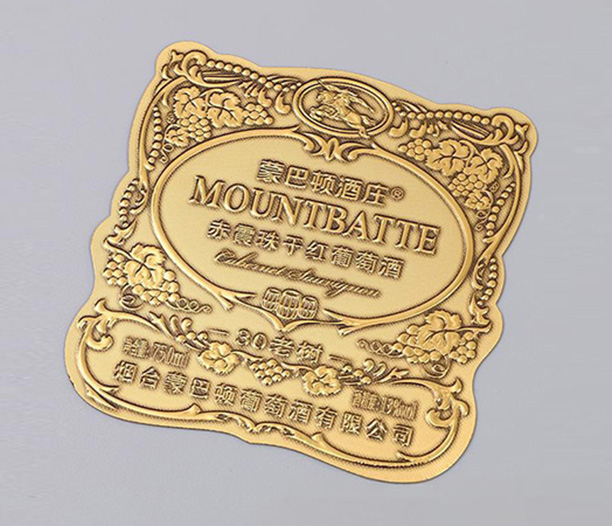
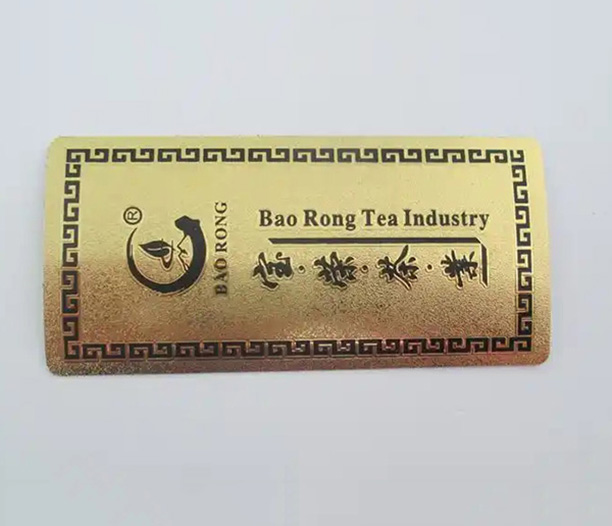
Selecting the right industrial nameplate is a decision often made in the background. But its consequences play out every single day on your factory floor. A poor choice leads to faded instructions, unreadable serial numbers, and safety hazards.
These metal or plastic tags carry vital data. They show ratings, warn of dangers, and track assets. A failed nameplate compromises safety, efficiency, and compliance.
This isn't just about buying a label. It's about specifying a durable data carrier for your most critical equipment. Let's talk about the common pitfalls and how to steer clear of them.
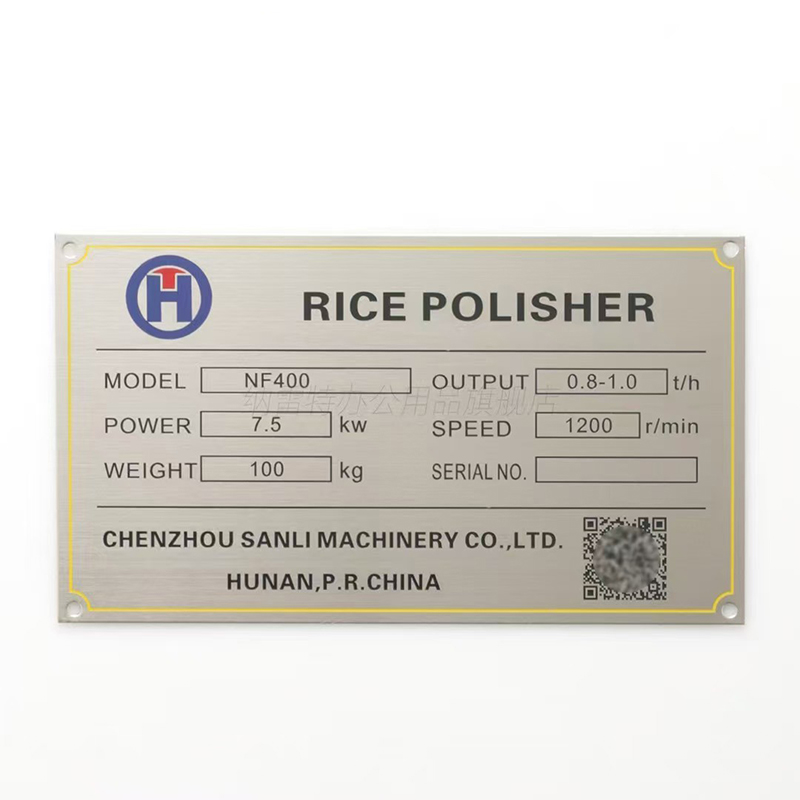
Why Your Industrial Nameplate Choice Matters More Than You Think
An industrial nameplate is a permanent record. Unlike disposable labels, it is designed to last the lifespan of the machine it's attached to. It must survive years of exposure, handling, and environmental stress.
When it fails, the cost is high. Replacing a worn nameplate on a complex machine is difficult and expensive. Missing compliance information can lead to regulatory fines. Unreadable safety warnings create liability risks.
Investing in the correct industrial equipment identification from the start is a small price for long-term security.
Mistake 1: Ignoring the Operating Environment
This is the most frequent error. Ordering a standard adhesive nameplate without considering where it will live is a recipe for failure.
Will it be exposed to weather? UV rays from the sun quickly break down inks and plastics. A nameplate outdoors needs UV-stable materials and protective coatings.
What about chemical exposure? Machine shops have oils and coolants. Food processing plants use caustic cleaners. Chemical plants have solvent vapors. Each requires a specific material resistance.
Temperature is crucial. High heat near ovens or engines can melt plastics and weaken adhesives. Extreme cold can make materials brittle.
Always match the durable metal nameplate or substrate to your harshest environmental factor.
Mistake 2: Prioritizing Low Cost Over Total Value
Budget pressures are real. But the cheapest industrial nameplate often becomes the most expensive asset tag over time.
A low-cost label that fades or falls off in six months needs replacement. You pay for the labor to locate the machine, remove the old tag, prepare the surface, and apply the new one. You also face downtime and risk misidentification.
A slightly more expensive, properly engineered nameplate lasts for decades. Its total cost of ownership is far lower.
Consider value, not just price. A long-lasting metal asset identification plate is an investment in operational integrity.
Key Factors in Industrial Nameplate Specification
Getting it right requires attention to three core pillars: the material, the marking method, and the attachment. These elements work together to ensure performance.
Material Selection: Metal vs. Specialty Substrates
The base material is your first and most important choice. It sets the foundation for durability.
Stainless steel is the king of harsh environments. It resists corrosion, high heat, and physical abuse. It’s ideal for chemical plants, marine applications, and heavy machinery. A stainless steel nameplate is often mandatory for wash-down areas.
Anodized aluminum offers excellent all-around performance. The anodized layer protects against corrosion and provides a hard surface for marking. It’s lighter than steel and works well for control panels, electrical enclosures, and indoor equipment.
For extreme flexibility or chemical resistance, consider specialized plastics like polycarbonate or vinyl. These are used for curved surfaces or as UL/CSA recognized component labels. Always verify their rating for your specific need.
Identification Methods: From Etching to Digital Print
How information is applied determines its longevity. The marking must survive the environment alongside the plate itself.
Photoanodization (photo etching) is a top-tier process for aluminum. The design is etched into the anodic layer, creating exceptional durability and a premium look. It’s perfect for high-end instrumentation.
Screen printing is a cost-effective method for moderate environments. Quality depends heavily on ink formulation and the use of a protective overlaminate.
Laser marking is highly versatile. It can anneal stainless steel, engrave metals, or mark plastics. It produces a permanent, high-contrast code ideal for serialization and barcodes.
Digital printing allows for complex, full-color graphics without tooling. Its durability has improved significantly, especially with protective topcoats.
Applications and Compliance Needs
An industrial nameplate serves a functional purpose. Its application dictates its required features and often, its legal specifications.
Safety, Compliance, and Asset Tracking
This is non-negotiable. Many machines require specific compliance plates by law. These include electrical ratings (UL, CE), pressure vessel data, and safety warnings.
These compliance nameplates must remain legible for the equipment's entire service life. Using an inferior material for a safety label is a serious liability risk.
For asset tracking, the nameplate is a fixed data point. It often includes a scannable barcode or QR code linked to your maintenance software. The marking must withstand dirt, grime, and wear to ensure reliable scans for years.
A permanent equipment identification tag is the cornerstone of any asset management system.
Common Industrial Use Cases
Heavy machinery relies on rugged metal tags for model and serial numbers. These plates see vibration, impact, and weather.
Electrical panels use engraved or laminated labels to identify circuits and components. They must be non-conductive and resistant to heat.
Tool and mold identification in manufacturing requires small, tough tags that can survive handling and cleaning processes.
Piping and valve markers in facilities need to be clearly visible and chemically resistant to their surroundings.
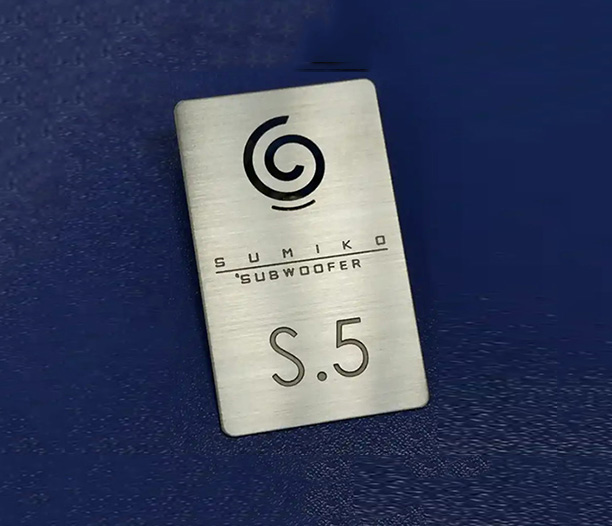
How to Get the Right Nameplate for Your Application
Avoiding mistakes is easier with a clear process. Follow these steps to specify the correct industrial nameplate.
Working with a Manufacturer: Key Questions to Ask
Don't just send a drawing. Have a conversation with your industrial nameplate supplier. Their expertise is invaluable.
Provide details on the operating environment. Ask: "What material do you recommend for constant oil splash and occasional steam cleaning?"
Discuss attachment methods. Will it be screws, rivets, or adhesive? The surface texture (smooth, painted, greasy) dictates adhesive choice.
Request samples. Test them in your actual environment before placing a large order. See how a proposed adhesive holds up on your specific equipment finish.
Ask about lead times and customization. A good supplier can balance speed, cost, and durability to meet your real-world needs.
Planning for Long-Term Legibility
Think about the information hierarchy. The most critical data (serial number, voltage) should be in the largest, clearest font.
Contrast is key. Light text on a dark background, or deeply etched markings, ensure readability in poor lighting.
Consider future needs. If you might need to add a QR code later, design the plate with blank space. Planning ahead prevents the need for a completely new industrial equipment identification tag down the line.
Frequently Asked Questions (FAQs)
Q1: What is the most durable type of industrial nameplate?
A1: For the harshest conditions, a stainless steel nameplate with laser-marked or etched information is often the most durable. It combines corrosion resistance, high-temperature tolerance, and permanent marking that won't scratch off.
Q2: Can I use an adhesive-backed nameplate on a rough or oily surface?
A2: It is challenging. Rough surfaces reduce adhesive contact, and oil can break down the bond. For oily or textured surfaces, mechanical fasteners (rivets, screws) are far more reliable. Specialized, aggressive adhesives exist but require very clean, specific surfaces to work.
Q3: What information is legally required on a machine nameplate?
A3: Requirements vary by machine type and region. Common mandatory data includes manufacturer name, model and serial number, electrical ratings (voltage, amperage, phase), safety warnings, and applicable compliance marks (like UL, CE, or OSHA symbols). Always consult the relevant regulations for your industry.
Q4: How do I remove an old, damaged industrial nameplate?
A4: Method depends on the attachment. For adhesive plates, gentle heat from a heat gun can soften the glue for careful scraping. Solvents may help but can damage underlying paint. For riveted or screwed plates, you must drill out the rivets or remove the screws. Always take care not to damage the equipment surface.
Q5: What's the lead time for custom industrial nameplates?
A5: Lead times vary widely based on complexity and process. Simple screen-printed aluminum tags might take 1-2 weeks. More complex etched metal or UL-recognized labels with multi-step manufacturing can take 4-6 weeks. Always discuss timelines with your supplier early in the design process.