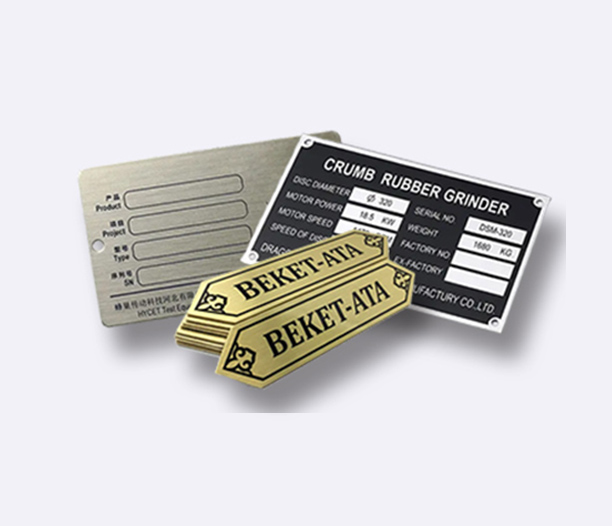
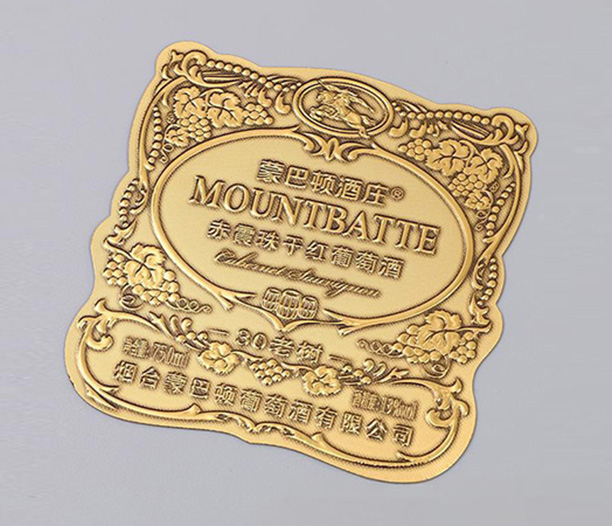
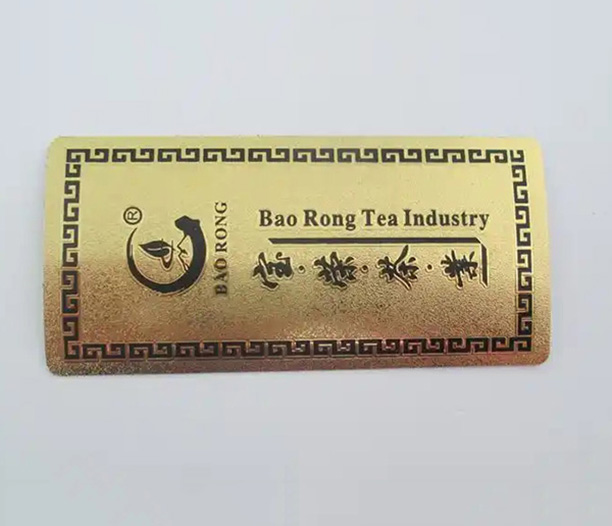
Industrial nameplates are far more than simple metal tags. They are the permanent, silent workforce on your equipment, carrying vital information that ensures safety, traceability, and operational continuity. Choosing the right industrial identification plate is a critical engineering decision.
A subpar nameplate can fade, corrode, detach, or become illegible, leading to costly mistakes, safety hazards, and non-compliance. This article breaks down the six essential factors to specify for nameplates that endure as long as your machinery.
Understanding the Core Purpose of Industrial Nameplates
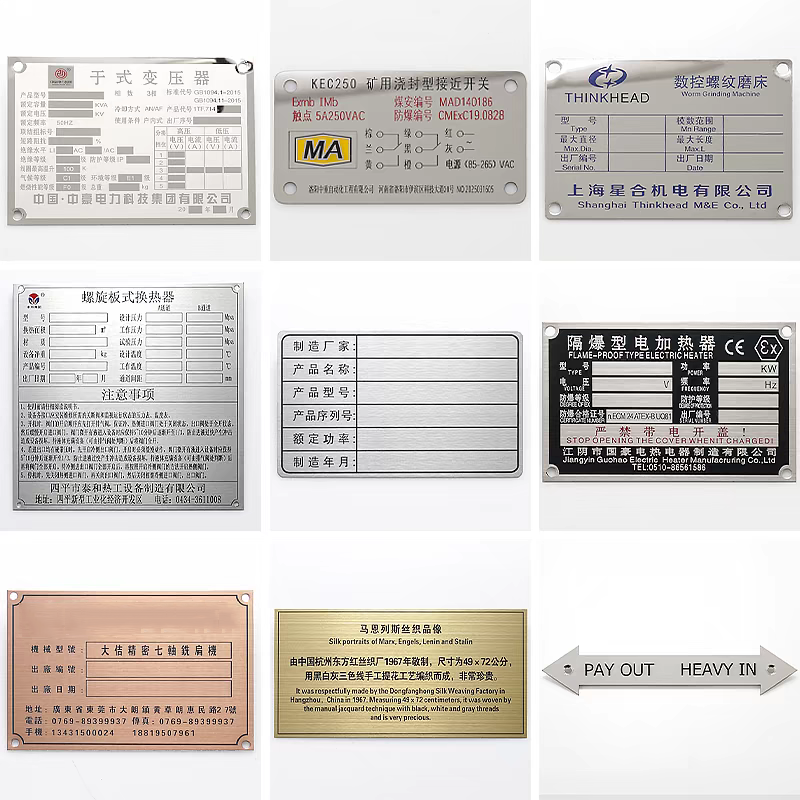
At their heart, industrial nameplates serve three key functions. They provide permanent asset identification with serial numbers and model codes. They deliver critical safety and operational instructions through warnings and ratings. Finally, they offer branding and certification marks, proving authenticity and compliance.
Whether it's a heavy-duty metal nameplate on a mining excavator or a chemical-resistant plastic nameplate on a food processing valve, the principle is the same: the information must survive the environment.
Material Selection: The Foundation of Durability
The material is the first and most crucial choice. It directly determines resistance to environmental stressors.
For harsh conditions, metallic nameplates are the standard. Anodized aluminum offers excellent corrosion resistance at a moderate cost, perfect for outdoor machinery. Stainless steel, particularly grades 304 or 316, is the king of chemical and high-temperature environments. Brass and zinc alloy provide a classic, decorative finish for less aggressive settings.
For electrical insulation or lighter-duty applications, industrial plastic nameplates like polyester, vinyl, or polycarbonate are superb. They resist moisture, many chemicals, and are often more cost-effective for large runs.
The Environment Dictates the Specification
Your nameplate must be engineered for its specific battlefield. An indoor control panel faces different threats than a maritime engine component.
For outdoor use, specify materials and coatings with high UV resistance to prevent fading. Salt spray resistance is non-negotiable for marine or coastal applications. In chemical plants, the nameplate must withstand splash or fumes from specific acids, alkalis, or solvents.
Extreme temperatures are another concern. Both the substrate and the adhesive must maintain integrity from freezing cold to furnace-like heat. Ignoring the environment guarantees premature nameplate failure.
Marking Technology: Ensuring Legibility for Decades
How information is applied to the nameplate is what makes it permanent. Traditional methods like photo etching and stamping physically alter the material's surface, creating deep, durable marks.
For modern flexibility, digital printing with specialized UV-cured inks provides exceptional abrasion and chemical resistance. Screen printing is a robust, cost-effective option for simpler designs.
For the ultimate in durability, embossed nameplates raise the lettering above the surface, making it nearly impossible to wear off. The choice depends on the required lifespan, graphic complexity, and budget.
Adhesion: Making the Bond Permanent
A perfectly crafted industrial identification plate is useless if it falls off. The adhesion system must be as carefully selected as the material itself.
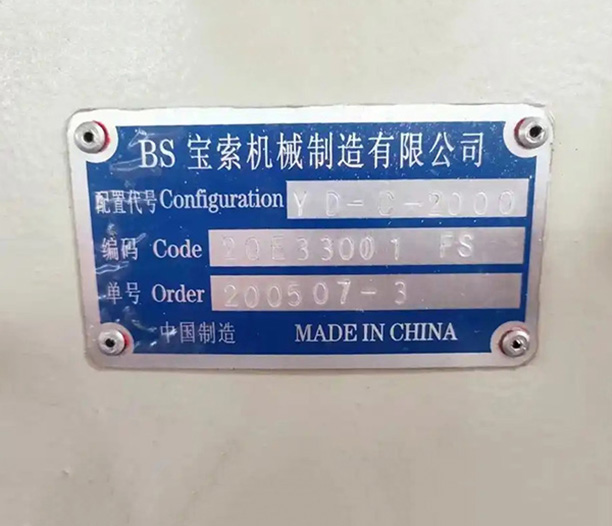
High-strength industrial acrylic adhesives are common, with formulations for high temperature, plasticized surfaces, or low surface energy metals. For permanent, vibration-heavy applications, mechanical fasteners like rivets or screws provide absolute security.
Surface preparation is key. The mounting area must be clean, dry, and free of contaminants. In some cases, specifying a nameplate with a primer-treated adhesive backing can make all the difference for challenging surfaces.
Design for Compliance and Clarity
Industrial nameplates often carry legally mandated information. Safety ratings, certification marks (like UL or CE), and serial number plates for traceability must be present and formatted correctly.
Design for clarity. Use bold, simple fonts. Ensure high contrast between the legend and the background. Include internationally recognized symbols (pictograms) where possible to transcend language barriers. A cluttered, poorly designed nameplate is a liability.
Customization and the Path to Procurement
Today, most industrial nameplate needs are met through custom manufacturing. The process typically involves submitting your design and specification (material, finish, adhesive, etc.) for a quote.
Reputable manufacturers will guide you on the best combination of factors for your budget and application. They can produce everything from simple serialized tags to complex, multi-layer overlays with variable data. Investing in this partnership ensures you get a component, not just a sticker.
Frequently Asked Questions (FAQs)
Q1: What is the most durable material for an outdoor industrial nameplate?
A1: For most general outdoor applications, anodized aluminum offers the best balance of durability, corrosion resistance, and cost. For extreme coastal or chemical-laden environments, Type 316 stainless steel is the most robust choice.
Q2: How can I prevent someone from tampering with or removing a serial number plate?
A2: Several anti-tamper features exist. You can use destructible vinyl nameplates that shred if removed, specify a permanent high-tack adhesive, employ rivets for mechanical fastening, or use thin-film nameplates that delaminate upon removal attempts.
Q3: Are there specific regulations governing what must be on an industrial equipment nameplate?
A3: Yes, regulations vary by industry and region. Common requirements include manufacturer details, model/serial numbers, electrical ratings (voltage, amperage), safety warnings, and certification marks (e.g., CE, NRTL listings). Always consult the relevant standards for your equipment and market.
Q4: Can I get custom-shaped industrial nameplates, or are they only rectangular?
A4: Absolutely. Modern die-cutting and laser-cutting technology allow for full customization of nameplate shapes. This is useful for fitting into specific panels, following the contour of a product, or incorporating a unique logo shape.
Q5: What is the best way to clean an industrial nameplate without damaging it?
A5: For most metal and plastic nameplates, gently wiping with a soft cloth dampened with a mild soap-and-water solution is safe. Avoid abrasive pads, harsh solvents, or high-pressure spray directly on the edges, which can force moisture under the nameplate.