If you own more than a handful of computers, tools, or pieces of equipment, you already have an asset management problem. You just might not know it yet.
The moment you can't instantly locate a critical device, verify its service history, or prove it's yours, you're losing time and money. The solution is simpler than you think. It starts with a small, durable tag.
What Are Asset Tags and Labels, Really?
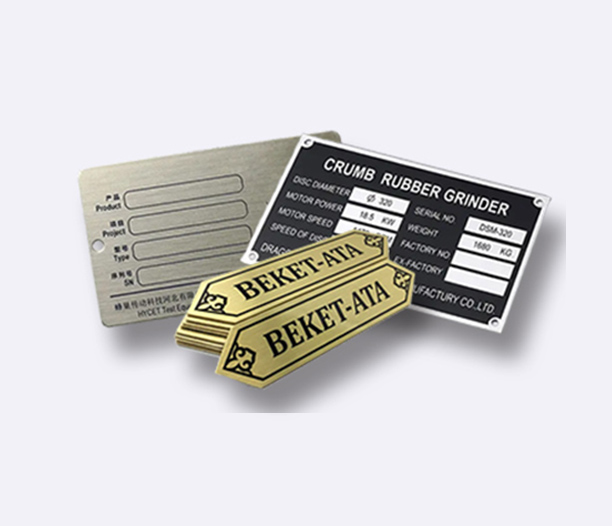
Think of them as permanent digital passports for your physical property. Asset tags and labels are identification markers affixed to items, from laptops to lab microscopes to warehouse forklifts.
They typically feature a unique ID—like a barcode, QR code, or serial number—tied to a record in your tracking system. This simple link transforms a random object into a tracked, managed asset.
The core function is asset identification. But the benefits ripple out far beyond just putting a name on something.
Reason 1: Stop Losing Things and Save Countless Hours
The most immediate benefit is ending the scavenger hunt. How much staff time is wasted looking for a specific portable projector or a calibrated testing device?
With a robust asset tracking system powered by scannable labels, you know exactly who checked it out, where it was last seen, and its current status. A quick scan with a smartphone or handheld reader gives you the answer.
This efficiency applies to inventory audits. Counting hundreds of items manually takes days. Scanning barcode asset labels can cut that process down to hours. The time savings alone often justify the initial investment in durable asset tags.
Reason 2: Take Control of Maintenance and Schedules
Unexpected equipment failure is a major cost driver. A reactive "fix it when it breaks" model hurts productivity and budgets.
Asset identification tags enable a proactive approach. By tagging machinery, you can link it to a maintenance schedule in your software. Technicians get automatic alerts for service.
They can also scan the equipment label to pull up the full service history, manuals, and part lists before they start work. This leads to faster, more informed repairs, longer asset lifespans, and less disruptive downtime.
Reason 3: Enhance Security and Reduce Loss/Theft
A visible property identification tag acts as a powerful theft deterrent. It clearly marks the item as company property and part of a formal tracking system, making it harder to resell.
If an item does go missing, the unique identifier on the metal asset tag or polyester label is crucial for police reports and recovery efforts. You can't prove something is yours without a verifiable, permanent ID.
This is especially important for high-value, portable assets like laptops and tablets. Tamper-evident asset labels that shred or leave a "VOID" message if removed provide an extra layer of security.
Reason 4: Ensure Accurate Financial Tracking and Compliance
For accounting and insurance purposes, you need an accurate fixed asset register. What did you buy, for how much, where is it, and what is its current depreciated value?
Barcode labels for assets make maintaining this register possible. Each physical scan confirms the asset's existence and location, supporting your financial records.
This is critical for audits, tax purposes, and insurance claims. In regulated industries, specific asset labels can also track calibration dates, certification expiry, and safety inspections, proving compliance.
Reason 5: Make Onboarding and Operations Smoother
For new employees, having tagged assets accelerates their setup. They can be assigned a tagged laptop, phone, and access cards instantly, with all items logged to them in the system.
During daily operations, staff can report issues by simply scanning the asset tag. The work order is automatically linked to the correct item. This streamlines workflows and reduces administrative errors.
Choosing the Right Tag for the Job: It's Not One-Size-Fits-All
A label that works on an office filing cabinet will fail on an outdoor generator. Selection is critical.
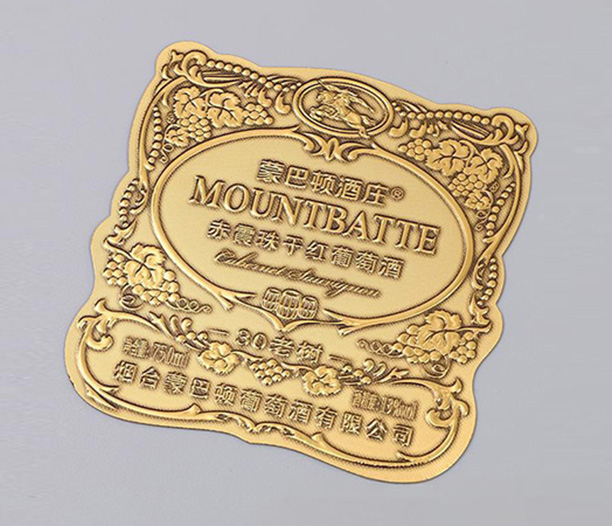
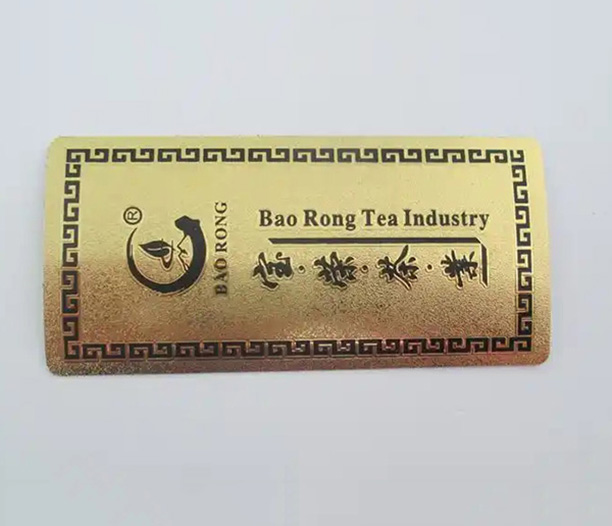
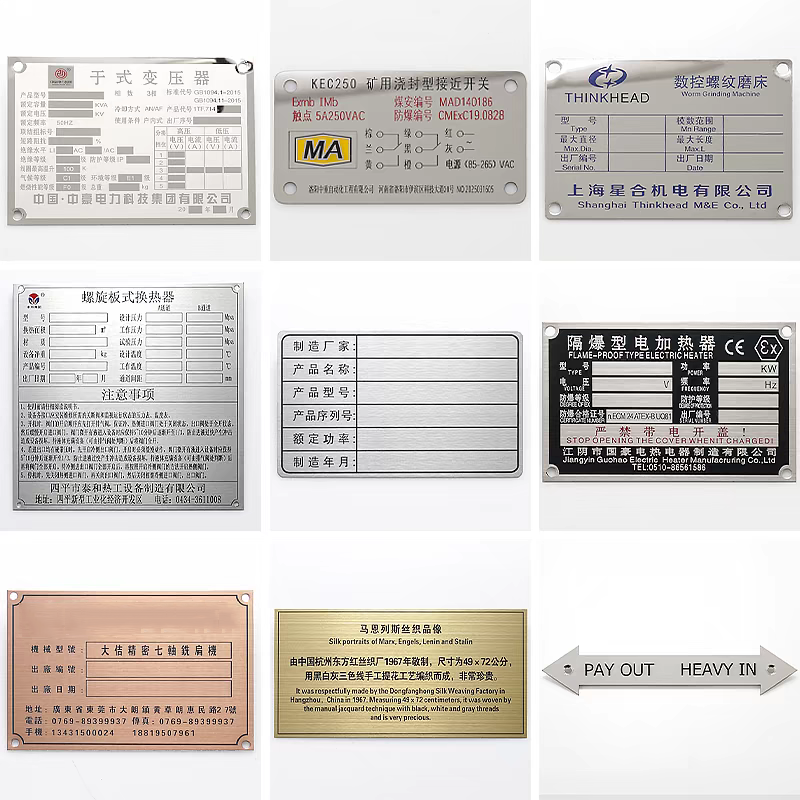
For tough environments—machine tools, vehicles, outdoor equipment—metal asset tags made of aluminum or stainless steel are king. They resist abrasion, chemicals, and weather.
For IT equipment, furniture, and general indoor use, polyester asset labels or vinyl labels with a strong adhesive are cost-effective and very durable. For curved surfaces or products that undergo washing, flexible asset tags made from materials like polyurethane are ideal.
Always consider the surface, the exposure (heat, oil, UV light, moisture), and how permanent the attachment needs to be.
The Nuts and Bolts of Getting Started
Beginning is straightforward. First, audit what you need to track. Prioritize high-value, portable, or critical maintenance items.
Next, choose your tracking method. Will you use simple spreadsheet with barcodes or dedicated asset management software? The software often dictates the best label type.
Then, design your asset tags and labels. Key elements include: a sequential asset ID number, a company name or logo, and the chosen data carrier (1D barcode, QR code, or RFID inlay). Partner with a professional provider to ensure material and adhesive durability.
Finally, apply the tags, scan them into your system, and populate the records with purchase details, manuals, and warranty information. The process builds value over time.
Beyond the Barcode: The RFID Consideration
While barcodes are excellent, Radio-Frequency Identification (RFID) takes tracking to another level. RFID asset tags contain a tiny chip that can be read without a direct line of sight.
You can literally walk past a shelf with an RFID reader and instantly inventory every tagged item. This is a game-changer for large warehouses or checking in/out tool cribs. The tags are more expensive, but the labor savings can be monumental for the right application.
A Small Investment, A Lasting Impact
Implementing a system of durable asset tags and labels is one of the highest-return, lowest-complexity projects a business can undertake. The initial effort pays back continuously in saved time, reduced losses, better maintenance, and clear financial control.
It turns physical clutter into managed inventory. It transforms guesswork into data. Start tagging what matters, and you'll quickly wonder how you ever managed without it.
Frequently Asked Questions (FAQs)
Q1: What's the difference between an asset tag and a regular label?
A1: An asset tag is designed for permanence and tracking. It's made from durable materials (metal, tough polyester) with strong adhesives or fasteners to last for years. A regular paper or vinyl label is often for temporary information and won't withstand harsh conditions or long-term wear.
Q2: How do I attach asset tags to irregular or porous surfaces?
A2: For porous surfaces like wood or concrete, consider tags with a thicker, aggressive adhesive or use mechanical fasteners like screws or rivets. For irregular curves, flexible polyurethane labels conform well. Specialized adhesives are also available for low-surface-energy plastics like polyethylene.
Q3: Can I print my own asset tags in-house?
A3: You can for basic, low-durability needs using label printers. However, for a permanent asset tracking system, professionally manufactured tags are recommended. They offer superior materials, adhesives, and print durability (like etched or over-laminated printing) that survive years of industrial use, cleaning, and exposure.
Q4: What information should be encoded in the barcode on the tag?
A4: Typically, the barcode encodes the unique asset ID number—a simple, sequential serial number. This number is the key in your database. Avoid encoding variable data like purchase price or location in the barcode itself, as this can change. Let the database store those details linked to the static ID.
Q5: Are there asset tags that can withstand autoclave sterilization or extreme temperatures?
A5: Yes. For autoclave cycles, high-temperature ceramic labels or specific anodized metal tags are used. For extreme heat (e.g., on engines or ovens), etched stainless steel tags with high-temperature ceramic coatings or special heat-resistant labels are available. Always specify the exact temperature range to your supplier.