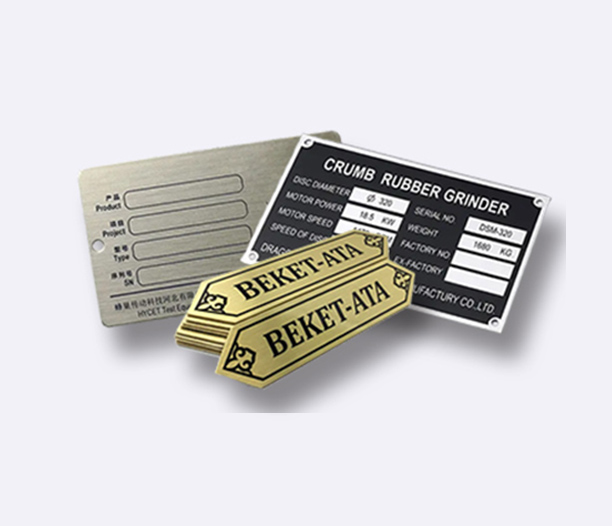
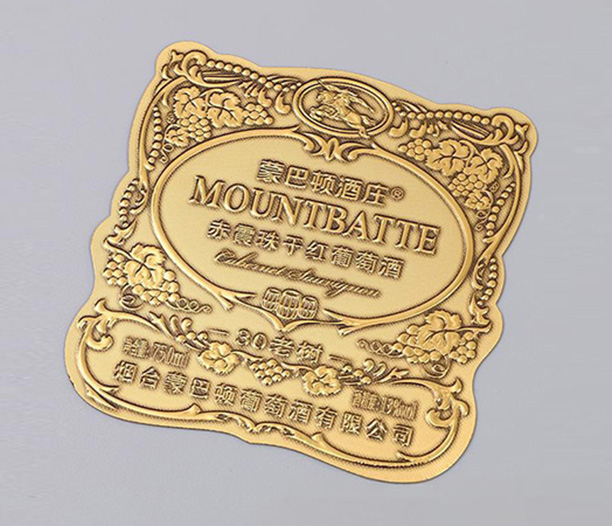
Managing physical assets is one of the hardest parts of running a business. Whether you work in construction, manufacturing, IT, or logistics, the struggle to keep track of valuable machinery is real. Tools get lost. Maintenance schedules get missed. Safety inspections fall through the cracks. This is where id tags for equipment come into play.
These simple markers are the backbone of modern asset management. They are not just stickers; they are data carriers that link physical items to digital records. By implementing a solid system using id tags for equipment, you gain visibility over your entire inventory.
This article looks at why these tags matter, the materials you should choose, and how to implement them effectively without overcomplicating your workflow.
Why You Need ID Tags for Equipment Right Now
If you rely on spreadsheets or memory to track your assets, you are losing money. It is that simple. Equipment that isn't tagged is equipment that goes missing. When a piece of machinery doesn't have a clear identifier, employees waste hours looking for it.
ID tags for equipment solve this problem by giving every item a unique identity. This unique ID allows you to scan a tag and instantly know what the item is, when it was bought, and who used it last.
Beyond simple tracking, these tags are vital for compliance. Many industries require strict maintenance logs. If an auditor walks onto your site, id tags for equipment allow you to prove that safety checks were performed on specific dates. It changes the process from a guessing game into a verified record.
Additionally, theft deterrence is a major benefit. A high-quality, permanent asset tag signals that an item is registered and monitored. While it might not stop every thief, it makes resale much harder and recovery more likely.
Common Materials Used for Equipment Identification Tags
Not all tags are created equal. The environment where your equipment lives dictates the material you must use. If you put a paper label on a generator sitting outside in the rain, that label will be gone in a week.
Stainless Steel TagsFor the harshest environments, stainless steel is the gold standard for id tags for equipment. It resists corrosion, extreme temperatures, and harsh chemicals. These are often found in oil and gas refineries, marine applications, and food processing plants where washdowns are frequent. The text is usually etched or embossed, ensuring readability even if the tag gets painted over or scratched.
Anodized Aluminum TagsAluminum is a popular choice because it is lightweight and durable. Anodized aluminum seals the image inside the metal layer, making it highly resistant to abrasion and UV fading. These id tags for equipment are excellent for outdoor machinery, fleet vehicles, and warehouse assets. They can also be color-coded, which helps with visual categorization from a distance.
Polycarbonate and Polyester LabelsFor IT equipment, office furniture, or lighter indoor tools, flexible plastic labels often suffice. These id tags for equipment are cost-effective and easy to apply. High-quality polyester tags can still offer resistance to mild chemicals and cleaning agents, making them suitable for hospital equipment or laboratory assets.
Different Technologies: Barcodes, QR Codes, and RFID
The material holds the data, but the technology determines how you access it. Modern id tags for equipment rarely rely on just human-readable numbers. They use scanning technology to speed up data entry and reduce errors.
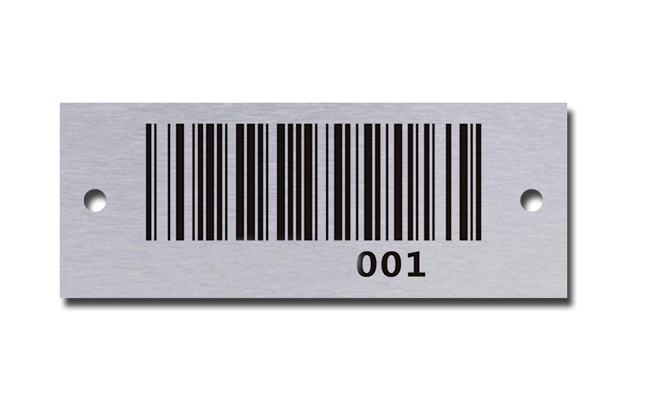
Linear BarcodesThis is the classic "picket fence" style code. It is reliable and works with almost any standard scanner. It is best used for simple identification numbers. However, if the tag gets scratched horizontally, the barcode might become unreadable.
QR Codes and 2D Data MatrixQR codes are becoming the standard for id tags for equipment. They can hold much more data than a linear barcode, including URLs. This means a technician can scan the tag with a smartphone and be taken directly to a digital service manual or a maintenance log web page. They are also more robust; a QR code can often still be scanned even if part of it is damaged.
RFID TagsRadio Frequency Identification (RFID) allows you to scan id tags for equipment without seeing them. You can walk into a room with a handheld reader and inventory every tagged item in seconds. This is ideal for high-volume inventory management, though it is more expensive to implement than standard barcode tags.
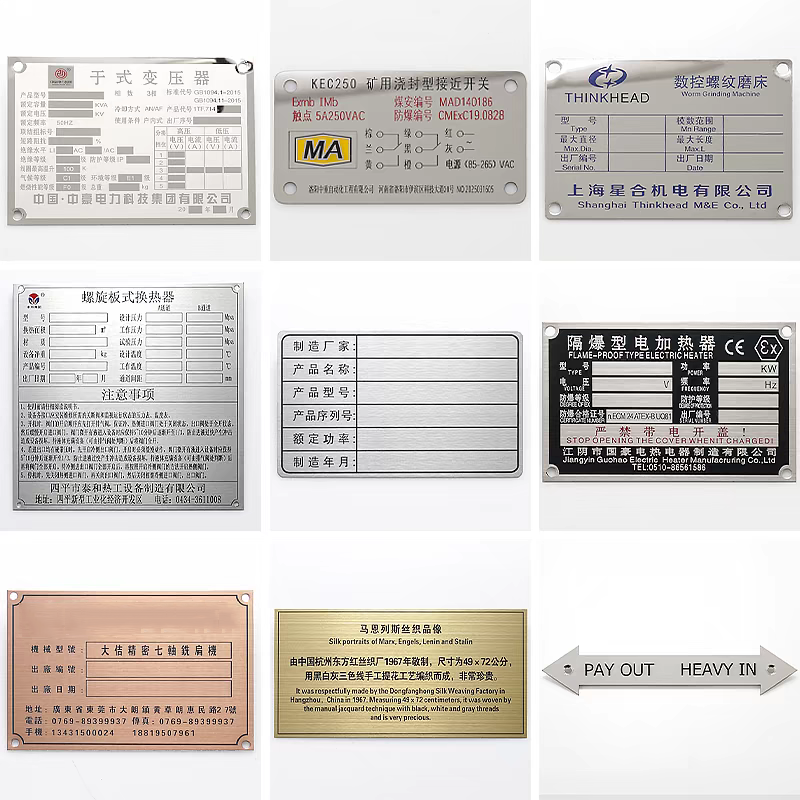
Selecting the Right ID Tags for Harsh Environments
When buying id tags for equipment, you must consider the "worst-case scenario" for that asset. A tag on a laptop faces different threats than a tag on an excavator bucket.
For outdoor industrial use, UV resistance is non-negotiable. The sun destroys standard ink and turns plastic brittle. You need id tags for equipment specifically rated for years of outdoor exposure. Metal photo processes or laser-engraved steel are usually the best bets here.
Abrasion is another factor. If the equipment is dragged, scraped, or handled with dirty gloves, surface-printed ink will rub off. You need tags where the text is embedded into the material.
Chemical exposure is frequent in manufacturing. If your gear is cleaned with solvents or degreasers, ensure the id tags for equipment can survive contact with these substances. If the adhesive dissolves or the text smears, the tag becomes useless.
Attachment Methods That Actually Stay Put
A tag is only as good as its bond to the asset. If the tag falls off, the identity is lost. There are three main ways to attach id tags for equipment.
Pressure Sensitive Adhesive (PSA)This is the "peel and stick" method. However, industrial adhesives are much stronger than standard stickers. High-bond foam adhesives can stick to textured surfaces and withstand high heat. For this to work, the surface must be clean and dry during application.
Mechanical FastenersFor heavy machinery, relying on glue is risky. Using rivets or screws is the most permanent way to attach id tags for equipment. Most metal tags come with pre-drilled holes for this purpose. This is necessary for items that vibrate heavily or operate in high-heat areas where glue might melt.
Wire or Cable TiesSome equipment, like valves, hoses, or wire bundles, doesn't have a flat surface for a tag. in these cases, hanging id tags for equipment using steel wire or durable cable ties is the standard solution. It ensures the tag stays with the component without interfering with its operation.
Industries That Rely on Heavy Duty Equipment Tags
Different sectors use id tags for equipment in unique ways. Understanding your industry standards helps in selecting the right product.
Construction and RentalIn construction, tools move between job sites constantly. Theft is high. ID tags for equipment here need to be rugged and highly visible. Rental companies use them to track check-out and check-in times to ensure billing accuracy.
Healthcare and LaboratoriesHospitals have thousands of mobile assets, from infusion pumps to wheelchairs. These assets need id tags for equipment that can withstand rigorous sterilization processes. They also need to be smooth to prevent bacteria buildup.
Oil, Gas, and MiningThese are the most extreme environments. ID tags for equipment here are critical for safety inspections. A tag on a valve might indicate its pressure rating and last inspection date. If that tag is unreadable, it could lead to a safety violation or an accident.
IT and CorporateFor laptops, servers, and projectors, the focus is on asset lifecycle management. ID tags for equipment in this sector help IT departments know when a computer is due for an upgrade or who it was assigned to. Tamper-evident tags are popular here; if someone tries to peel the tag off, it leaves a "VOID" pattern behind, signaling theft or tampering.
Mistakes to Avoid When Ordering Asset Tags
It is easy to order the wrong thing if you aren't careful. One common mistake is getting the wrong size. ID tags for equipment come in many dimensions. If you order a large 3-inch tag for a small power drill, it will overhang the edge and eventually peel off. Measure your available surface area first.
Another mistake is ignoring color contrast. A silver tag with light grey text is hard to read in dim lighting. High-contrast id tags for equipment, such as black text on a white or silver background, reduce scanning errors.
Don't forget about serialization logic. When ordering id tags for equipment, ensure you have a plan for the numbering system. Starting at "001" is fine, but using a prefix like "IT-001" or "TOOL-001" can help you identify the asset class without even looking up the database.
Finally, do not cheap out on the adhesive. It is tempting to save money on the backing, but if the id tags for equipment fall off after a month, you have wasted your entire investment and have to re-tag everything.
How to Implement a Tagging System Successfully
Buying the id tags for equipment is step one. Step two is applying them. Create a standard operating procedure (SOP) for tagging.
Clean the surface. This cannot be stressed enough. Use isopropyl alcohol to remove grease and dust. If the surface is oily, the adhesive will fail.
Apply pressure. Most industrial adhesives are pressure-sensitive. Press the id tags for equipment down firmly, especially on the corners.
Record the data immediately. Do not tag 50 items and then try to remember which one was which. Scan the id tags for equipment as you apply them and enter the description into your software.
Train your team. Make sure employees know what the tags are for. If they see a tag peeling, they should report it. If they get new equipment, they should know who to ask for a tag. ID tags for equipment are a team effort.
Effective asset management starts with reliable identification. ID tags for equipment provide the link between the physical tool and your digital records. By choosing the right material—whether it is stainless steel for the field or polyester for the office—you ensure that your data remains intact.
Investing in quality id tags for equipment pays for itself by reducing lost items, streamlining audits, and ensuring maintenance compliance. Do not let your valuable assets go unnoticed. Tag them, track them, and keep your business running efficiently.
Frequently Asked Questions (FAQ)
Q1: How long do metal id tags for equipment last outdoors?
A1: High-quality metal tags, specifically anodized aluminum or etched stainless steel, can last 20 years or more outdoors. They are designed to withstand UV radiation, rain, salt spray, and temperature fluctuations without fading or rusting.
Q2: Can I use my smartphone to scan id tags for equipment?
A2: Yes, provided the tags feature a QR code or a barcode compatible with mobile apps. Many modern asset management systems offer mobile apps that allow you to scan id tags for equipment using your phone's camera to view or update asset details instantly.
Q3: What is the difference between destructive and non-destructive id tags?
A3: Non-destructive tags are standard labels that stay intact. Destructive, or tamper-evident, id tags for equipment are designed to break apart or leave a residue (like the word "VOID") if someone tries to remove them. This is a security feature to prevent asset theft or tag swapping.
Q4: Do I need special software to use id tags for equipment?
A4: While you can use a simple spreadsheet, dedicated asset management software is recommended. These programs are designed to work seamlessly with id tags for equipment, allowing for check-in/check-out features, maintenance alerts, and depreciation tracking that spreadsheets cannot easily handle.
Q5: How do I choose the right size for my equipment tags?
A5: Measure the flat surface area available on your smallest assets. A standard size like 1.5" x 0.75" works for most tools and IT gear. However, for large machinery, you may want larger id tags for equipment (e.g., 3" x 2") to ensure the text and barcode are large enough to be scanned from a distance.