Think about the last time you needed to identify something important. Maybe it was a piece of machinery on a factory floor, a valuable asset in a warehouse, or a high-end product you were shipping to a client. A simple sticker or plastic label likely didn't feel adequate for the job. This is where the enduring utility of customized metal tags comes into sharp focus.
These are not just labels; they are durable, permanent identification solutions. Whether you're marking equipment for safety, tracking assets for inventory control, or adding a professional touch to a product, customized metal tags offer a combination of resilience and clarity that other materials can't match.
This article walks through the practical uses, options, and important considerations when selecting customized metal tags for any application. We'll look at why they are often the best choice for long-term identification.
What Are Customized Metal Tags Used For?
The applications for customized metal tags are incredibly diverse. Their core function is to provide permanent, legible information that can withstand harsh conditions.
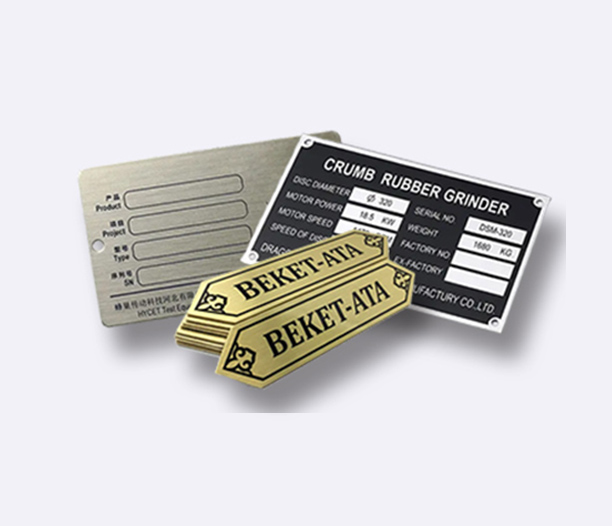
In industrial settings, metal asset tags are riveted or welded to machinery, tools, and equipment. They often feature serial numbers, barcodes, or QR codes for tracking maintenance schedules, location, and ownership. Customized metal nameplates serve as permanent data plates on appliances, electrical panels, and vehicles, displaying crucial model numbers, serials, and safety certifications.
For security and operations, property identification tags made of metal are used by universities, hospitals, and governments to deter theft and manage inventories of everything from laptops to lab equipment. In the aerospace, military, and marine sectors, durable metal labels withstand extreme temperatures, corrosion, and abrasion while providing essential part and safety information.
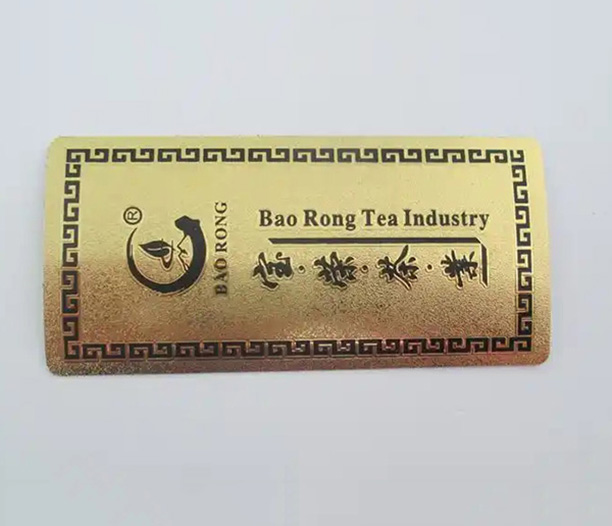
Beyond heavy industry, customized metal tags add value and prestige. They are used as high-end dog tags for pets, elegant product tags for boutique goods, and decorative labels for awards or memorials. The versatility is remarkable.
Choosing the Right Material for Your Metal Tags
Not all metals are created equal. The environment where the tag will live dictates the best material. The most common choices include aluminum, stainless steel, brass, and zinc.
Aluminum is a lightweight, cost-effective, and corrosion-resistant choice. It accepts finishes and markings very well. Anodized aluminum tags are particularly popular, as the anodization process creates a hard, colored surface that resists wear and fading. These are excellent for general-purpose industrial nameplates and indoor asset tags.
Stainless steel is the king of durability. It offers superior strength and exceptional resistance to corrosion, high heat, and chemicals. Stainless steel metal tags are ideal for outdoor use, harsh manufacturing environments, food processing plants, and applications where the tag must last for decades with minimal degradation.
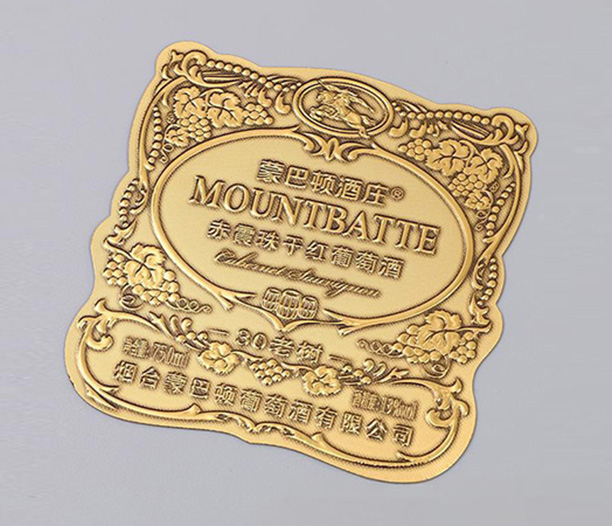
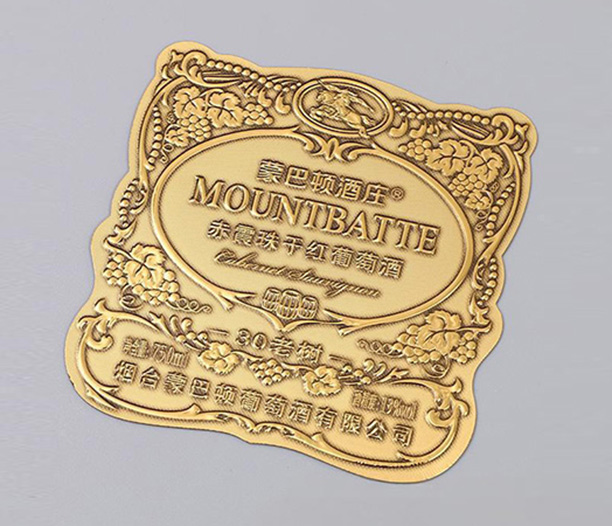
Brass and bronze tags are chosen for their distinctive, classic appearance. They develop a desirable patina over time. These are often used for decorative customized metal tags, commemorative plaques, and high-visibility equipment in architectural settings. Zinc alloy, often used for die-struck tags, is another durable and malleable option.
How Are Customized Metal Tags Made? Key Processes
The method used to create your customized metal tags affects their look, durability, and cost. The three primary manufacturing processes are etching, stamping, and engraving.
Photo chemical etching (also known as chemical milling) is a highly precise and flexible process. It involves using a chemical resist and etchant to "eat away" metal, leaving behind raised text and logos. This method is perfect for complex, intricate designs, thin materials, and tags that require a perfectly flat surface without distortion. It allows for very fine detail on metal identification tags.
Stamping, or pressing, uses a hardened steel die to physically imprint information into the metal under high pressure. This creates deep, durable marks that are tactile and long-lasting. Stamped metal tags are extremely robust and are the traditional choice for serial number plates and heavy-duty industrial applications. The initial die cost makes this method more economical for larger production runs.
Laser engraving and marking uses a high-powered laser to vaporize or discolor the metal's surface. It is incredibly accurate and digitally controlled, making it perfect for prototyping, low-volume runs, and tags with variable data like serial numbers. Modern fiber lasers can create high-contrast, permanent marks on almost any metal, offering great flexibility for custom metal tags.
Design and Information Considerations
What you put on your customized metal tags is as important as the tag itself. Clear design ensures the tag serves its purpose effectively.
Start with the essential data: asset ID numbers, serial numbers, barcodes, QR codes, company name, model, and manufacturing date. For safety or operational tags, include clear instructions, ratings, or warnings. Prioritize readability. Choose fonts that are simple and large enough to be read from the necessary distance.
Consider adding machine-readable features. Scanning a barcode or QR code on a metal asset tag is faster and more accurate than manual entry. This links the physical asset directly to your digital management system. For branding, incorporate your logo. A well-designed tag acts as a subtle mark of quality and attention to detail.
Finally, think about attachment. Will the tag be riveted, welded, screwed, or attached with adhesive? The mounting method influences the tag's size, thickness, and whether it needs pre-drilled holes. A strong customized metal tag is only effective if it stays attached to the asset.
Finding a Reliable Supplier for Your Project
Selecting a manufacturer for your customized metal tags requires some diligence. You need a partner who can deliver quality, consistency, and good service.
Look for a supplier with proven experience in your specific area of need, whether it's UL-approved metal nameplates for electrical equipment or beautifully etched tags for retail products. Examine their material options and manufacturing capabilities. Can they do both etching and stamping if needed?
Request samples. This is the best way to judge the physical quality of their work—the sharpness of the markings, the finish of the metal, and the overall feel. Discuss lead times and scalability. Can they handle a small prototype run efficiently and also scale up for a large production order?
Finally, evaluate their customer service and design support. A good supplier will help you optimize your design for manufacturability, suggest the right material for your environment, and provide clear proofs before production begins. Their expertise should guide you to the best solution.
Customized metal tags are a small but critical component in organization, safety, and branding. By investing in durable, well-made tags, you solve immediate identification problems and prevent future costs associated with lost assets, misidentified equipment, or degraded labels. The right tag, made for the right job, lasts for years.
Frequently Asked Questions (FAQs) About Customized Metal Tags
Q1: How durable are customized metal tags compared to plastic or vinyl labels?
A1: There is no comparison in harsh environments. Customized metal tags made from materials like stainless steel or anodized aluminum are designed to withstand extreme temperatures, UV exposure, chemicals, abrasion, and moisture. Plastic labels can fade, peel, crack, or become brittle. For permanent, long-term identification, metal tags are the definitive choice.
Q2: Can you put barcodes or QR codes on metal tags?
A2: Absolutely. In fact, it's highly recommended for asset tracking. Both barcodes and QR codes can be etched, stamped, or laser engraved onto customized metal tags with high precision. This creates a permanent, machine-readable link between the physical asset and your digital inventory or maintenance database, improving accuracy and efficiency.
Q3: What is the typical lead time for an order of custom metal tags?
A3: Lead times vary significantly based on the process and order size. Simple, laser-marked tags might be shipped in a few days. More complex etched or stamped custom metal tags, especially those requiring new die creation, may have lead times of 2-4 weeks. Always discuss timelines with your supplier early in the quoting process.
Q4: Are there standards that metal tags need to meet for industrial use?
A4: Yes, in many cases. Specific industries have regulations. For example, tags on electrical equipment may need to meet UL/CSA standards for legibility and durability. Military applications often require tags conforming to MIL-STD-130. A reputable manufacturer of industrial metal nameplates will be familiar with the relevant standards for your sector.
Q5: What is the cost difference between etched, stamped, and laser engraved metal tags?
A5: Stamping has a high initial cost for the custom die, but the per-unit cost becomes very low for high-volume runs. Etching has lower setup costs and is ideal for medium runs with complex graphics. Laser engraving has virtually no tooling cost and is the most economical for low-volume, prototype, or highly variable data jobs. The best process depends entirely on your quantity and design complexity.