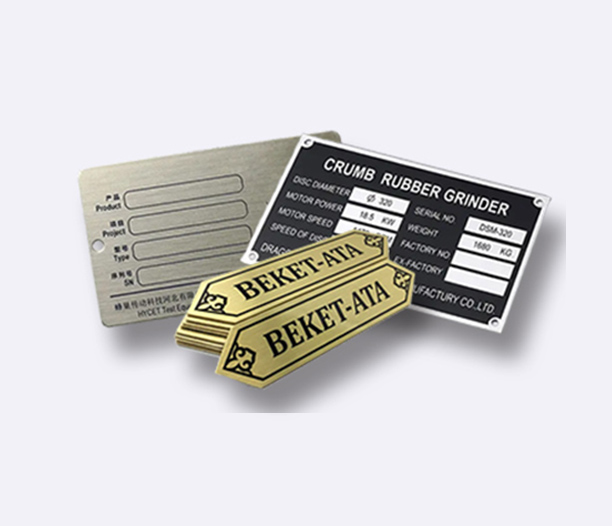
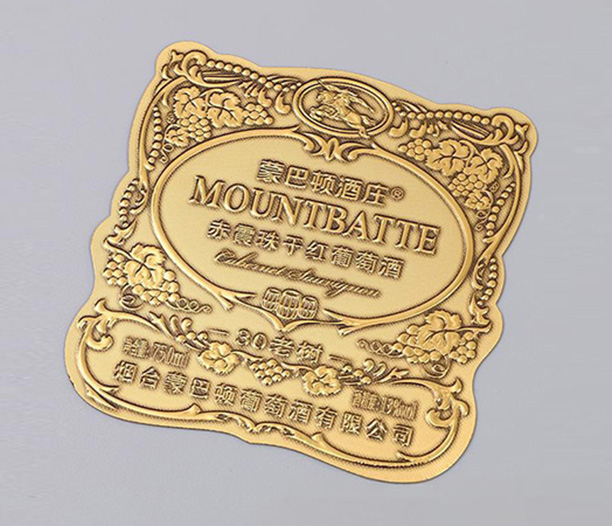
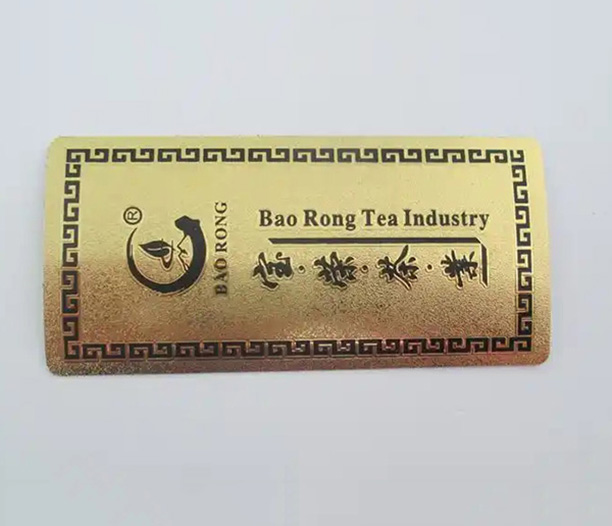
In today's business environment, labeling solutions have evolved to meet dynamic needs. One key innovation is the use of variable data labels. These labels allow for customization on a large scale. They are essential for companies aiming to improve engagement and operations.
This article explores variable data labels in detail. We will look at their definition, advantages, and real-world uses. By the end, you will understand why they are a valuable tool.
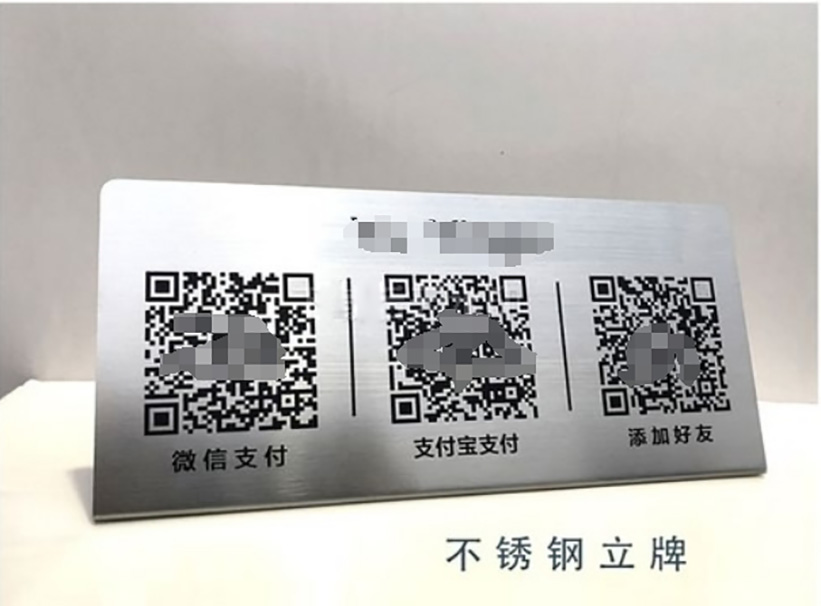
What Are Variable Data Labels?
Variable data labels are printed labels that change from one item to the next. They include unique information like names, codes, or dates. This flexibility sets them apart from static labels.
Definition and Basic Principles
At their core, variable data labels are produced using digital printing technology. Each label can have different text, images, or barcodes. This is done without slowing down production.
Key elements often found on these labels include:
Sequential numbers or serial codes
Customized text for personalization
QR codes or barcodes for tracking
Variable images or logos
How They Differ from Traditional Labels
Traditional labels are identical across a batch. In contrast, variable data labels adapt to each product. This allows for mass customization.
For example, a food company can print labels with different expiry dates. A retailer can add unique promotions to each package. The process is efficient and cost-effective.
Benefits of Using Variable Data Labels
Adopting variable data labels offers numerous advantages. They enhance marketing efforts and streamline workflows. Many industries now rely on them for better results.
Improved Marketing and Customer Engagement
Personalization is a major trend in marketing. Variable data labels enable direct communication with customers. Labels can include names, offers, or loyalty details.
This leads to higher response rates. Customers feel valued when they see tailored messages. Brands can build stronger relationships through customized packaging.
Common marketing uses include:
Targeted promotions on product labels
Personalized thank-you notes in shipments
Dynamic QR codes linking to custom web pages
Operational Efficiency and Cost Savings
These labels reduce waste and errors. Since data changes digitally, there is no need for multiple label stocks. Companies can print on demand.
Inventory management becomes simpler. Unique codes help track products from factory to shelf. This minimizes losses and improves accuracy.
Other efficiency gains:
Faster production runs with minimal downtime
Reduced label storage and handling costs
Easy updates without discarding old labels
Applications of Variable Data Labels Across Industries
The versatility of variable data labels makes them useful in many sectors. From retail to healthcare, they solve common challenges.
Retail and Consumer Packaging
In retail, labels drive sales and compliance. Products often need unique identifiers for promotions or recalls. Variable data labels allow for quick changes.
They are used for:
Limited-edition product launches
Multi-language packaging for global markets
Real-time price tagging and discounts
Healthcare and Pharmaceutical Sectors
Safety is critical in healthcare. Labels must show accurate dosage, patient details, and expiry dates. Variable data labels ensure this information is precise.
They help with:
Patient-specific medication labeling
Tracking medical devices with serial numbers
Compliance with regulatory standards like FDA guidelines
Logistics and Supply Chain Management
Shipping and logistics rely on accurate labeling. Each package needs a unique tracking code. Variable data labels automate this process.
Benefits include:
Automated generation of shipping labels
Integration with warehouse management systems
Reduced errors in order fulfillment
Implementing Variable Data Labels in Your Business
Getting started with variable data labels requires planning. Choose the right technology and follow best practices. This ensures a smooth transition.
Technology and Equipment Needs
Digital printers are essential for variable data labeling. They connect to software that manages the changing information. Common options include inkjet and laser printers.
Key considerations:
Printer speed and resolution for quality output
Software compatibility with existing databases
Label material durability for different environments
Steps for Successful Integration
Start by assessing your current labeling process. Identify areas where variability can add value. Then, pilot the system on a small scale.
Important steps:
Train staff on new software and procedures
Test labels for readability and adhesion
Monitor results and adjust as needed
Over time, you can expand the use of variable data labels. They often pay for themselves through improved efficiency.
Future Trends in Variable Data Labeling
Technology continues to advance. Innovations like IoT and AI may enhance variable data labels. We might see smarter labels that interact with devices.
For instance, labels could update in real-time based on sensor data. This would be useful for perishable goods. Sustainability efforts may also drive eco-friendly materials.
Staying updated on trends helps businesses adapt. Embracing new features can provide a competitive edge.
Conclusion
Variable data labels are a powerful tool for modern businesses. They offer personalization, efficiency, and versatility. By adopting them, companies can improve marketing and operations.
Whether in retail, healthcare, or logistics, these labels deliver value. Start by evaluating your needs and exploring technology options. The investment often leads to long-term benefits.
Frequently Asked Questions About Variable Data Labels
Q1: What exactly are variable data labels?
A1: Variable data labels are customizable labels where information changes from one label to the next. They are printed using digital methods to include unique text, codes, or images for each item.
Q2: How do variable data labels benefit small businesses?
A2: They allow small businesses to personalize products without high costs. This can improve customer loyalty and streamline inventory management, making operations more efficient.
Q3: What equipment is needed to print variable data labels?
A3: A digital printer and compatible software are required. The software pulls data from databases to vary the label content. Options range from desktop printers to industrial systems.
Q4: Are variable data labels secure for sensitive information?
A4: Yes, with proper software controls, they can be secure. Use encryption and access limits to protect data like patient details or serial numbers during printing.
Q5: Can variable data labels be used for compliance purposes?
A5: Absolutely. They are ideal for industries with strict regulations, such as pharmaceuticals, where labels must show accurate, item-specific information to meet standards.