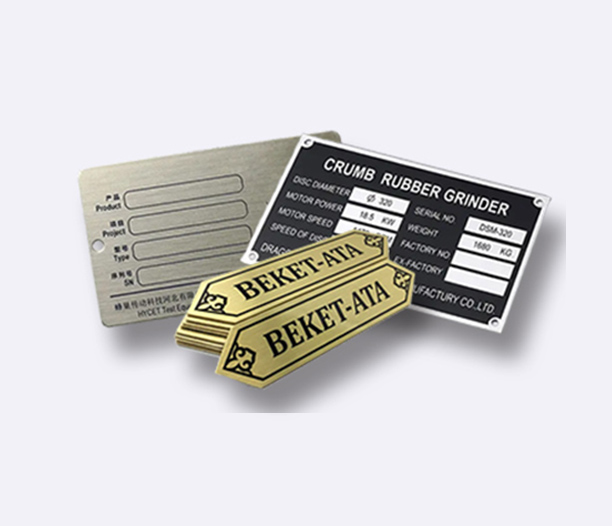
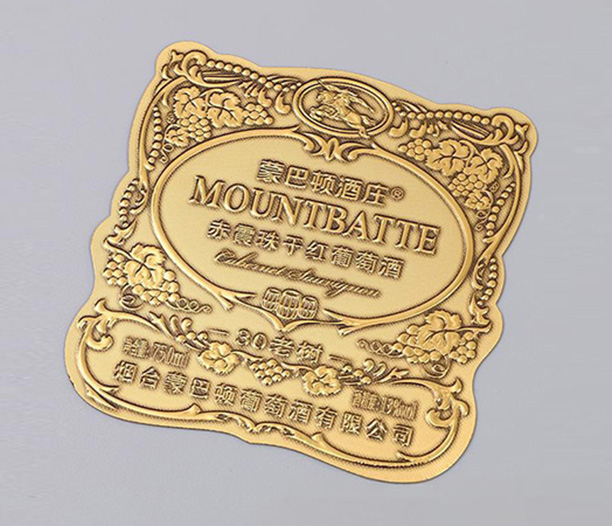
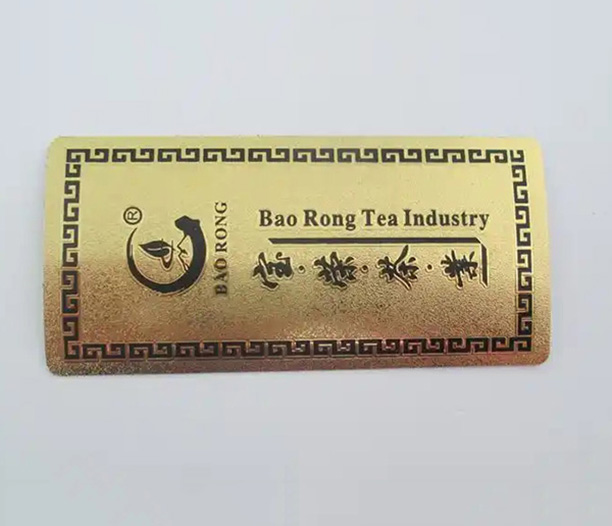
For anyone in the furniture business, getting your branding right is crucial. It’s often the final touch, the mark of authenticity and quality that stays with the product for its lifetime. When it comes to this essential component, Brandt furniture labels have established a notable reputation.
But what exactly should you know about them? This isn't just about sticking a tag on a chair. It’s about durability, compliance, brand image, and making a smart investment for your business.
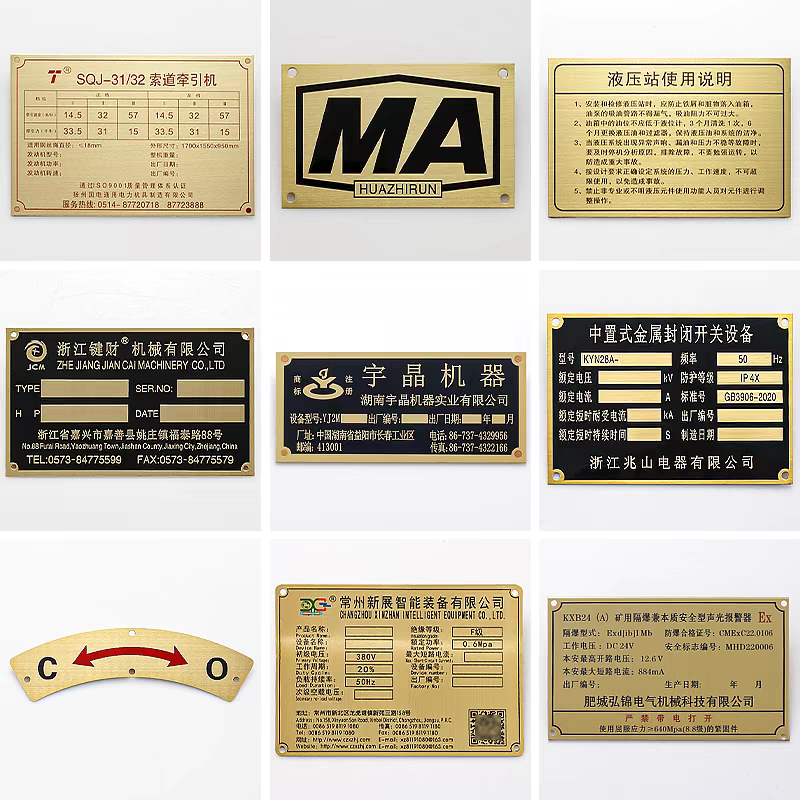
Understanding the Role of Furniture Labels
A furniture label is far more than a name. It is a legal document, a brand ambassador, and a care guide all in one. In many regions, strict regulations dictate what information must be displayed on labels, such as materials used, fire safety compliance, and country of origin.
Beyond compliance, a well-made label communicates quality. A frayed, peeling, or faded tag subconsciously signals poor craftsmanship, even if the furniture itself is superb. This is where the construction of Brandt furniture labels becomes critical.
Key Characteristics of Durable Furniture Labels
So, what sets apart a label that lasts from one that fails? The focus is on materials and construction methods. Premium labels are engineered to endure the life of the furniture.
They face common threats: friction from use and cleaning, exposure to sunlight, and general wear and tear. Labels are often made from woven or printed fabrics, synthetics, or specialty materials designed for high durability.
The method of attachment is equally important. Whether sewn-in, heat-sealed, or adhered with strong specialty adhesives, the bond must be as permanent as the label itself. The goal for any manufacturer, including those producing Brandt furniture labels, is to create a product that remains legible and attached indefinitely.
A Look at Common Furniture Label Types
Not all labels serve the same purpose. Understanding the different types helps in selecting the right one for your specific need.
Woven Labels: These are often considered the pinnacle of quality. Threads are woven directly into the label, creating a design that is part of the fabric itself. They are extremely durable, soft to the touch, and convey a classic, high-end feel. They are a popular choice for heirloom-quality pieces.
Printed Labels: This category offers tremendous versatility. Using techniques like screen printing or digital printing, complex designs, full-color logos, and detailed text can be applied to various materials. The longevity depends heavily on the ink quality and the base material used.
Compliance & Care Labels: These are functional necessities. They typically contain standardized symbols and text for cleaning instructions, fiber content, and safety information. Clarity and durability are paramount here to ensure information remains available to the end-user.
Branding & Logo Labels: This is the primary vehicle for your brand identity. It’s often the most visible label, featuring your logo and company name. Its design and quality directly reflect your brand's image.
When evaluating options like Brandt furniture labels, you will likely encounter these categories, each with its own advantages.
Selecting the Right Label for Your Furniture Line
Choosing isn't just about picking the prettiest option. It's a strategic decision. Start by defining the label's primary job. Is it for legal compliance, luxury branding, or both?
Next, consider your furniture's character. A rustic, solid-wood table might pair well with a natural, woven Brandt furniture label. A sleek, modern sofa might be better suited for a minimalist printed label on a synthetic material.
Always think about the user's experience. Will the label be against the skin? If so, softness is key. Will it be on an outdoor item? Then UV resistance and waterproof qualities are non-negotiable. The environment where the furniture will live dictates the label's required specifications.

Factors Influencing the Cost of Custom Labels
The price for custom Brandt furniture labels is not one-size-fits-all. Several variables directly impact the final cost. The first is quantity. Like most manufactured goods, per-unit cost decreases significantly with higher order volumes.
The complexity of your design is another major factor. A simple, one-color logo is less expensive to produce than a intricate, multi-colored woven design. The type of material you choose also affects the price. Specialized fabrics or synthetic materials engineered for extreme durability typically cost more than standard options.
Finally, the inclusion of any special features adds to the cost. This includes things like holographic elements, sequential numbering for limited editions, or custom shapes that require unique cutting dies. Understanding these factors allows for better budgeting and decision-making.
Finding a Reliable Supplier for Your Labels
Sourcing high-quality labels is a partnership. You need a supplier that is consistent, communicative, and capable. Look for a manufacturer with proven experience in the furniture industry specifically. They will understand the unique durability and compliance requirements.
Review their portfolio closely. Does their quality and style align with your brand vision? Don't hesitate to request physical samples of their Brandt furniture labels. Feel the material, test the adhesive, and try to scratch the print. This hands-on test is invaluable.
Clear communication about timelines, minimum order quantities (MOQs), and revision policies is essential before committing. A reliable supplier acts as an advisor, helping you navigate material choices and design constraints to get the best result for your investment.
The Lasting Impact of a Quality Label
Your furniture label is a silent salesman long after the purchase. It’s a constant reminder of your brand's commitment to quality. Investing in a superior label, such as a well-crafted Brandt furniture label, protects your product's perception and ensures regulatory information survives for the consumer's reference.
It is a small component with a disproportionately large impact on brand integrity and customer trust. Making an informed choice pays dividends for years to come.
Frequently Asked Questions About Furniture Labels
Q1: How do I ensure my furniture labels comply with legal regulations?
A1: Regulations vary by country and region, covering aspects like fiber content, fire safety, and country of origin. It is your responsibility as the manufacturer to know the rules for your market. A reputable label supplier familiar with the furniture industry can often guide you on standard compliance information and label placements, but the ultimate legal responsibility lies with you.
Q2: What is the most durable type of furniture label for high-use items like sofas?
A2: For items subject to significant friction and cleaning, a woven label or a printed label on a high-quality synthetic base (like satin polyester) is often the most durable. The key is the combination of a tough material and a permanent attachment method, such as being securely sewn in on all sides.
Q3: Can I get a sample of a Brandt furniture label before placing a full order?
A3: Most professional label manufacturers, including those producing lines similar to Brandt furniture labels, will provide physical samples upon request, often for a small fee. This is a standard and recommended practice to verify material quality, color accuracy, and overall feel before committing to a large production run.
Q4: How long does it typically take to receive custom furniture labels after ordering?
A4: Lead times vary by supplier, order complexity, and quantity. For standard orders, expect a timeframe of 2 to 6 weeks from final design approval to delivery. Always confirm the production schedule with your supplier upfront and plan your furniture production accordingly to avoid delays.
Q5: Are there eco-friendly options available for furniture labels?
A5: Yes, the market offers several sustainable options. These include labels made from recycled polyester, organic cotton, or other biodegradable materials. When sourcing, inquire specifically about their eco-conscious product lines if this is a priority for your brand.