Outdoor tags face a constant battle against the elements. Sun, rain, snow, and wind can destroy a standard label in months, leaving assets unmarked and safety information illegible. This is where a true waterproof outdoor tag becomes essential. But not all tags marketed for outside use are created equal.
Selecting the right tag requires looking beyond the basic "waterproof" claim. You need a solution engineered for long-term performance in your specific environment. This article breaks down the key considerations, from materials and adhesives to printing methods and standards.
We'll help you understand what makes an outdoor tag genuinely durable. You'll learn how to compare options, navigate costs, and identify reliable suppliers. Let's get into the specifics of what makes a waterproof outdoor tag survive for years, not just seasons.
Waterproof vs. Weather-Resistant: Understanding the Difference
First, it’s important to clarify terminology. Many products are called "weather-resistant." This often means they can handle light moisture or short-term exposure. A truly waterproof outdoor tag, however, is designed to withstand prolonged and direct contact with water without failing.
Think of it like a raincoat versus a diving suit. A weather-resistant coating might shed a light spray. A waterproof construction ensures the core material, print, and adhesive remain fully functional even when submerged or under constant pressure washing.
For applications like chemical drum labeling, marine asset tracking, or permanent outdoor equipment identification, only a fully waterproof tag will do. The distinction matters for compliance and total cost of ownership, as a failed tag means rework and risk.
The material is the foundation of durability. Here’s a comparison of common substrates used for high-performance outdoor tags.
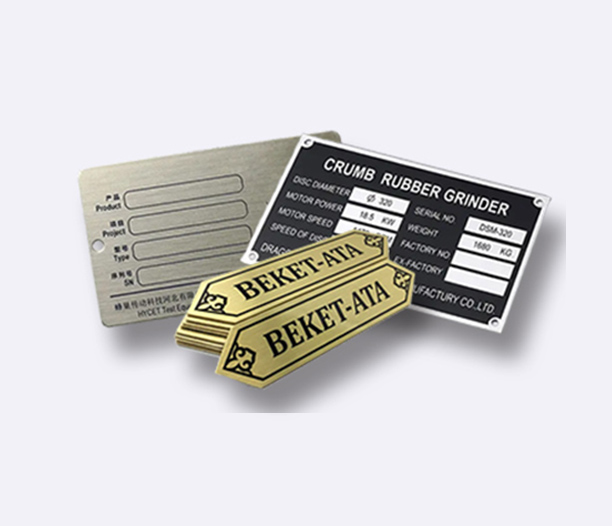
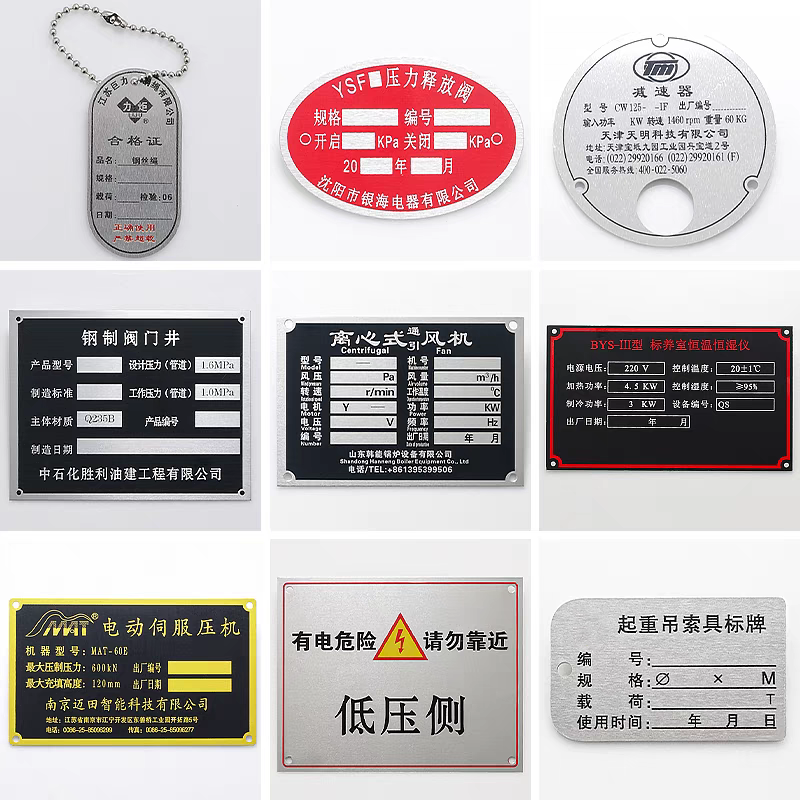
Anodized Aluminum: This is the gold standard for extreme conditions. The anodization process creates a hard, integral oxide layer that is highly resistant to corrosion, UV fading, and abrasion. Tags made from this are rigid, permanent, and can withstand high temperatures. They are ideal for heavy machinery, permanent plumbing, or harsh industrial sites.
Rigid Plastic (Polycarbonate, PVC, Polyester): These offer a strong balance of durability and flexibility. Polycarbonate is exceptionally tough and impact-resistant. Polyester (like PET) provides excellent chemical and temperature resistance. PVC is a cost-effective option for many outdoor uses. These plastic waterproof tags are versatile for equipment labels, warning plaques, and outdoor signage.
Vinyl with Laminates: While flexible vinyl isn't suitable alone, a vinyl label with a thick, protective overlaminate can achieve good waterproof outdoor tag performance. The laminate seals the printed image from moisture and UV rays. This approach works well for curved surfaces and is often used for vehicle decals or outdoor product labels.
The choice depends on your need for flexibility, chemical exposure, and surface type.
How to Select the Right Waterproof Outdoor Tag: A Practical Guide
Choosing isn't just about the material. Follow this checklist to specify the correct tag for your project.
1. Assess the Environmental Stressors. List every challenge: Is it constant sunlight? Salt spray? Freeze-thaw cycles? Chemical splashes? Abrasion from debris? Your waterproof outdoor tag must be rated for the harshest condition it will face.
2. Define the Surface and Application Method. Is the surface smooth, textured, or porous? Is it curved? This affects adhesive choice. For permanent bonding to metals or plastics, a high-tack acrylic adhesive is crucial. Some tags come with industrial-strength adhesives or even mechanical fastening holes.
3. Consider the Required Information and Lifespan. Is this a simple serial number or a complex barcode with small text? The printing method must ensure legibility for the tag's entire intended life, which could be 5, 10, or even 20 years.
4. Verify Compliance and Standards. Does the application require specific standards? For example, tags for electrical panels might need specific colors and wording for safety compliance. Ensure your supplier can meet these regulatory needs.
5. Get Physical Samples. Before a full order, test samples in the actual environment. Apply them and subject them to real-world conditions for a few weeks. This is the best way to validate that your chosen waterproof outdoor tag performs as expected.
Finding a Supplier for Durable Waterproof Tags
Sourcing these specialized tags requires a supplier with proven expertise. General label printers may not have the material science knowledge for true outdoor durability.
Look for manufacturers who specialize in industrial, asset, or permanent identification. They should openly discuss material specifications, adhesive options, and protective coatings. Ask about their testing procedures—do they conduct accelerated weathering tests (like QUV testing) on their products?
A good supplier will ask detailed questions about your application to recommend the best solution. They should provide material datasheets and samples upon request. Customization of size, shape, and adhesive is a must for most professional applications.
Online searches for "industrial nameplate supplier" or "custom waterproof asset tags" often yield better results than generic label searches. Check for case studies or testimonials related to outdoor use.
Cost Drivers for Waterproof Outdoor Tags
The price of a waterproof outdoor tag varies significantly based on your choices. Understanding these factors prevents budget surprises.
Material Cost: Anodized aluminum is typically more expensive than rigid plastics, which are more costly than laminated vinyl. The performance justifies the cost for critical applications.
Printing Technology: Simple, screen-printed information is cost-effective for large runs of identical tags. For variable data (like serial numbers) or complex graphics, digital printing might be used, but it must be protected by a robust overlaminate to remain waterproof.
Protective Features: Adding a protective overlaminate, UV-inhibited inks, or a textured anti-graffiti coating increases the unit price but extends functional life dramatically.
Quantity and Setup: There are initial tooling or setup costs for custom dies and screens. These are amortized over the order, so per-unit cost drops with higher quantities. However, never compromise on quality for a lower price; a failing tag is a wasted investment.
Investing in the right tag upfront saves money on frequent replacements, misidentified assets, and potential safety or compliance issues.
The Technology Behind Permanent Printing on Outdoor Tags
The longevity of a waterproof outdoor tag hinges on how the information is applied and protected.
Screen Printing: This is a classic method for permanent graphics. Ink is physically pushed through a fine mesh onto the tag. Using specialized, UV-resistant epoxy inks, the result is a thick, durable layer of pigment that becomes part of the tag's surface. It’s excellent for solid colors and high-opacity designs.
Digital Printing with Protection: Modern UV-curable digital printers can produce high-resolution graphics and variable data directly onto tag materials. However, the printed layer alone is not sufficiently durable. It must be sealed with a thick, clear polyester laminate. This laminate bonds completely, creating a waterproof seal that locks the print underneath.
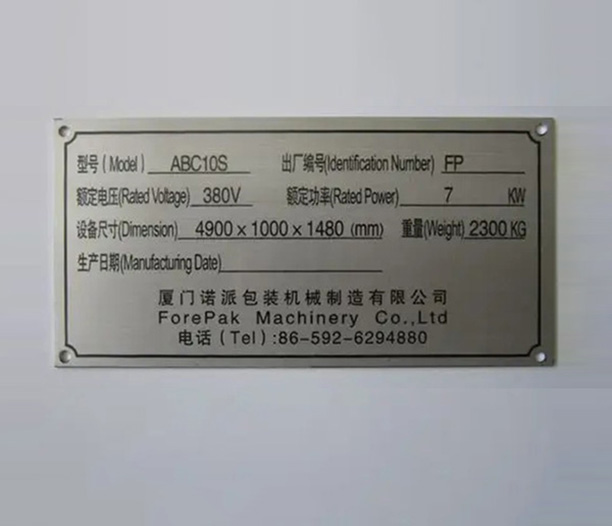
Etching and Engraving: For metal tags, information can be etched (chemically) or engraved (mechanically) into the material itself. This is the most permanent method, as it removes material to create the legend. It is inherently waterproof and fade-proof. Color can be added via infill paints.
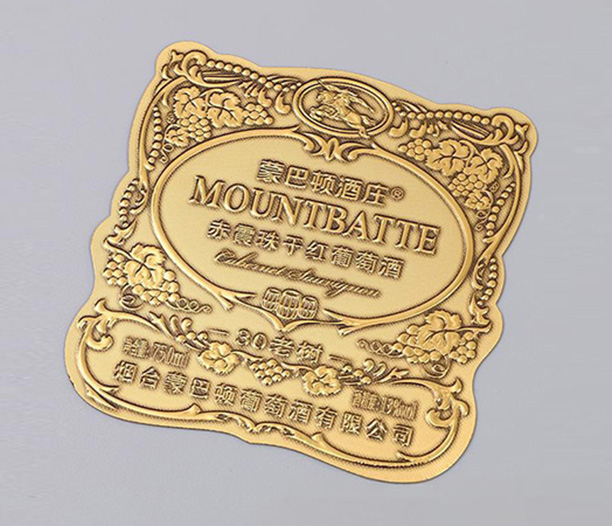
Embossing: Raising characters or logos from the metal or thick plastic tag provides a tactile, durable identification method that won't wear off.
The choice between these methods balances permanence, design complexity, and budget.
Frequently Asked Questions (FAQ)
Q1: How long can I expect a high-quality waterproof outdoor tag to last?
A1: A well-constructed tag using materials like anodized aluminum or UV-stabilized polyester with a proper laminate can last between 5 to 20 years outdoors, depending on the specific environmental conditions. Accelerated weathering tests often simulate 5+ years of sun and rain exposure.
Q2: Can waterproof outdoor tags be applied to curved or irregular surfaces?
A2: Yes, but material choice is key. Flexible materials like thick vinyl with a laminate or some polyesters can conform to gentle curves. For sharp contours, a softer, thinner label material may be needed, but it must still have a waterproof adhesive and protective top coat.
Q3: What is the best way to clean outdoor tags without damaging them?
A3: For most durable waterproof tags, gentle cleaning with mild soap and water is fine. High-pressure washing is usually acceptable if the tag is properly specified and applied. Avoid abrasive pads or harsh solvents unless the tag is specifically rated for chemical resistance.
Q4: Are these tags also resistant to extreme temperatures?
A4: Many are. Anodized aluminum and polycarbonate tags can handle a very wide temperature range, from far below freezing to over 250°F (120°C). Always check the manufacturer's datasheet for the specific material's continuous and peak temperature ratings.
Q5: Can I order waterproof outdoor tags with sequential numbers or barcodes for asset tracking?
A5: Absolutely. This is a common requirement. Suppliers use digital printing or secondary processes like dot peening to add unique variable data. Crucially, this data must be protected under the same waterproof laminate or coating as the rest of the tag to ensure it remains scannable and legible.