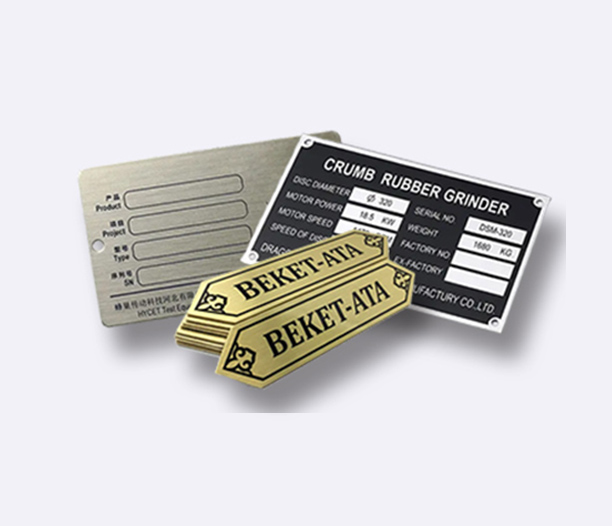
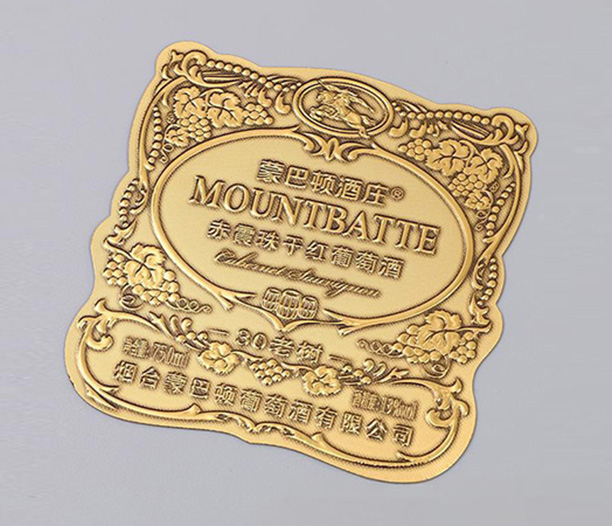
In the delicate and legally binding context of cremation, absolute certainty in identification is not just an operational goal—it is an ethical mandate. Cremation tag lookup systems form the backbone of this assurance, enabling facilities to track, verify, and document the identity of the deceased through every stage of the process. With over two decades of engineering permanent identification for extreme environments, Hemawell Nameplate provides the durability and data integrity that modern crematoriums demand. This article dissects the seven critical factors that determine whether a cremation tag lookup protocol will succeed or fail—and how the right hardware and software integration can eliminate uncertainty.
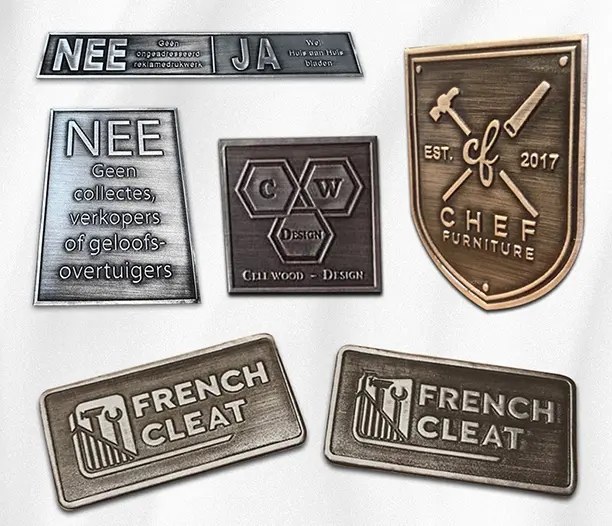
1. Material Integrity: Withstanding Temperatures Exceeding 1,800°F
The foundation of any reliable cremation tag lookup is the physical tag itself. Cremation cycles typically expose tags to temperatures between 1,400°F and 2,100°F (760°C – 1,150°C) for several hours. Standard paper or plastic labels vaporize instantly; even aluminum fails. Only specialized materials can survive and remain legible post-cremation, allowing for final verification if required.
High-Temperature Ceramics and Stainless Steel
Industry-tested solutions include 304/316 stainless steel tags with laser-etched data, or ceramic tags that withstand thermal shock. Hemawell Nameplate manufactures tags that maintain structural integrity up to 2,200°F, ensuring the unique identifier (whether alphanumeric, Data Matrix, or QR code) remains scannable. The tag’s surface must also resist oxidation and slag adhesion—common failure points where lookup becomes impossible because the code is obliterated.
Material Testing Standards
Look for ISO 9001-certified production and adherence to ASTM E1450 for high-temperature stability. Facilities should request test reports showing post-cremation readability. Without this baseline, even the most sophisticated software backend for cremation tag lookup is useless.
2. Data Encoding Density: Choosing the Right Symbology
The tag is only a vessel; the data it carries must be encoded in a format that balances information density, error correction, and scan reliability under field conditions. While linear barcodes (Code 128) are still used, they offer limited data and are prone to damage if part of the barcode is burned or scratched.
2D Data Matrix vs. QR Codes
For cremation tag lookup systems, Data Matrix codes are often preferred over QR codes due to their smaller size and higher error correction capability. A 10x10 mm Data Matrix can store the same information as a 20x20 mm QR code—crucial when space on a small tag is limited. Moreover, Data Matrix can still be decoded if up to 30% of the code is damaged, which is a realistic scenario after a high-temperature cycle. Hemawell Nameplate laser-engraves these codes with high contrast, ensuring readability by handheld imagers even under low-light conditions in the crematorium.
RFID Alternatives and Limitations
Passive UHF RFID tags offer contactless lookup, but standard RFID chips fail above 572°F. While new high-temperature RFID transponders (encased in ceramic) exist, they remain cost-prohibitive for many facilities. Therefore, optical 2D codes currently provide the best balance of cost, resilience, and data payload for post-cremation verification.
3. Seamless Integration with Cremation Management Software (CMS)
A physical tag is merely a key to a digital record. The true power of a cremation tag lookup lies in the software that links the scanned code to the decedent’s file—including authorizations, special requests, and final disposition documentation. The lookup process must be instantaneous and intuitive.
API-First Architecture
Modern facilities use CMS platforms that manage workflow from intake to ash processing. When a cremation operator scans a tag, the lookup should pull up the corresponding digital record without manual entry. Systems that require double‑entry or batch file uploads introduce risk. Look for solutions from partners like Hemawell Nameplate that provide API documentation or pre-built connectors for popular funeral home software (e.g., Passare, Osiris, or proprietary municipal systems). This ensures that the cremation tag lookup is a single-click operation, not a multi-step data hunt.
Audit Trails and Timestamps
Every scan of a cremation tag must generate an immutable audit trail. Regulations in many jurisdictions require proof that the correct body was placed in the correct retort at the correct time. Integration should automatically log the operator ID, timestamp, and retort number, syncing with the permanent record. This turns the lookup from an identification step into a compliance cornerstone.
4. Redundant Verification Protocols: Human and Machine Checks
Even the best technology can be undermined by procedural gaps. Effective cremation tag lookup processes incorporate redundancy at critical handoff points: from refrigeration to retort loading, and from cooling to final processing.
The “Two-Scan” Rule
Implement a protocol where the tag is scanned immediately before loading and once again after the retort door is sealed. Some facilities use a secondary, smaller “witness tag” placed with the remains inside the cremation container, which is scanned post-cremation as final confirmation. This secondary tag must be equally heat-resistant. Hemawell Nameplate offers matched sets: a primary tag for the exterior tracking and a miniature witness tag that travels with the remains, both scannable via the same lookup interface.
Biometric Operator Authorization
To prevent unauthorized or mistaken identity changes, the lookup system can require operator fingerprint or badge scan before final confirmation. This adds a layer of accountability and is increasingly recommended by industry insurers to reduce liability.
5. Compliance with Global Standards and Local Regulations
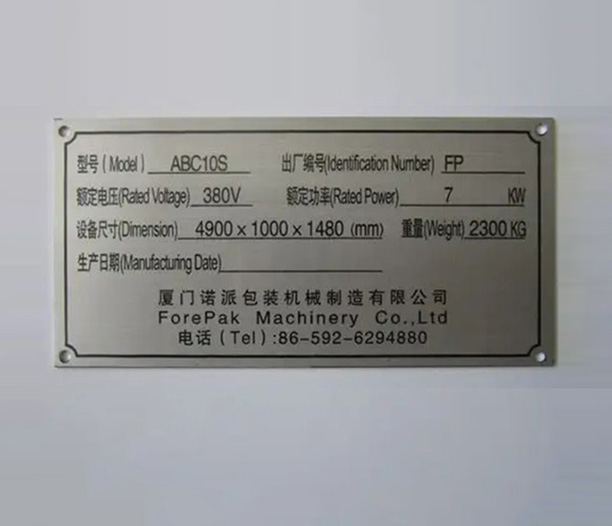
Crematoriums operate under a patchwork of regulations: from health and safety codes to specific funeral industry standards. A robust cremation tag lookup system must help facilities meet these requirements, not complicate them.
NFDA and CANA Guidelines
The National Funeral Directors Association (NFDA) and the Cremation Association of North America (CANA) emphasize positive identification throughout the process. Their guidelines recommend that the identification medium remain with the remains until final disposition and that a retrievable record exists. Digital lookup systems that store tag data in encrypted, cloud-backed databases exceed these recommendations by providing off-site redundancy.
HIPAA and GDPR Considerations
While death records are generally exempt from some privacy rules, any associated data (like next-of-kin information or special instructions) may be protected. Ensure the cremation tag lookup platform encrypts data at rest and in transit, with role-based access controls. Hemawell Nameplate’s lookup interface supports multi-factor authentication and detailed access logs, aiding compliance with both US and EU data protection frameworks.
6. Operator Training and Workflow Ergonomics
Technology adoption fails when it is not intuitive. A cremation tag lookup system must be designed for the realities of the crematorium floor: heat, humidity, and operators wearing protective gloves. Complex software with tiny buttons or slow database queries will be bypassed, leading to shadow records and increased risk.
Scanning Hardware Durability
Handheld scanners used for lookup must be industrial-grade (IP65 or higher) with large, glove-friendly triggers. They should read both standard barcodes and high-density Data Matrix codes from curved metal tags. Some facilities are now experimenting with fixed-mount scanners at the retort entrance that automatically log the tag when the tray is inserted, eliminating a manual step. This automation still relies on a clean, accurate cremation tag lookup database backend.
Simulation-Based Training
Provide staff with simulation environments where they can practice the lookup process—scanning sample tags, handling exception scenarios (e.g., damaged code), and understanding the audit trail. Regular drills reduce error rates. Data from CANA suggests that facilities with quarterly simulation training have 73% fewer identification discrepancies.
7. Future-Proofing: Scalable, Cloud-Connected Lookup
As cremation rates rise globally (projected to exceed 60% in the US by 2030), lookup systems must handle increasing volume without performance degradation. Additionally, families and regulators expect faster access to records. The next generation of cremation tag lookup will be cloud-native, allowing multi-location chains to search records from any facility instantly.
Blockchain for Immutable Records
While still emerging, some forward-thinking providers are exploring blockchain-anchored lookup logs. Each scan event creates a hash that cannot be altered retroactively. This would provide absolute proof of chain of custody—a valuable feature for high-profile cases or legal disputes. Hemawell Nameplate is actively piloting such integrations with select municipal crematoriums.
Predictive Analytics for Maintenance
Future systems might analyze scan success rates to alert managers when tag printers or scanners need recalibration, preventing lookup failures before they occur. The data generated by millions of scans can also inform better tag placement and retort loading patterns, further reducing error rates.
Conclusion: Precision as a Mark of Respect
In the B2B context of cremation operations, cremation tag lookup is not merely a logistical function—it is a critical component of dignified service. By focusing on material science, data integrity, redundant workflows, and regulatory alignment, facilities can virtually eliminate misidentification. Partnerships with established manufacturers like Hemawell Nameplate ensure that both the physical tags and the digital lookup infrastructure are engineered for the most demanding environments. As the industry evolves, those who adopt comprehensive, integrated lookup systems will lead in both safety and operational excellence.
Frequently Asked Questions About Cremation Tag Lookup
Q1: What exactly is a cremation tag lookup and when is it used?
A1: A cremation tag lookup refers to the process of scanning a unique identifier (barcode, Data Matrix, or alphanumeric code) on a high-temperature tag attached to the remains or cremation container. This action retrieves the associated digital record—containing identity, authorization, and special instructions—from a database. It is used at intake, before cremation, during loading, and optionally after cremation for final verification.
Q2: Can a cremation tag survive the cremation process intact enough to be read afterwards?
A2: Yes, if it is manufactured from appropriate materials. Tags made from 304 stainless steel or specialized ceramics, with laser-engraved rather than printed codes, routinely survive temperatures over 2,000°F. Hemawell Nameplate produces such tags, ensuring that post-cremation verification is possible if required by family or regulation.
Q3: How does a cremation tag lookup system integrate with our existing funeral home software?
A3: Modern lookup systems offer RESTful APIs or pre-built plugins for major CMS platforms. When a tag is scanned, the software sends a query to the database and returns the record within seconds. Integration can be one-way (lookup only) or bi-directional (logging the scan event back into the CMS). Always verify API compatibility with your vendor.
Q4: What are the most common points of failure in cremation tag lookup processes?
A4: Failures typically occur at three stages: tag degradation (if material is insufficient), unreadable encoding (low contrast or damaged code), or database mismatch (human error in assigning the tag to the wrong record). Mitigation involves using verified high-temperature tags, 2D codes with error correction, and double-scan verification steps.
Q5: Is RFID a viable option for cremation tag lookup?
A5: Standard RFID is destroyed by heat. High-temperature RFID tags (encased in ceramic) do exist but cost significantly more than optical tags and require specialized readers. For most facilities, laser-engraved 2D Data Matrix codes offer the best balance of cost, durability, and ease of integration for lookup purposes.
Q6: How can we ensure our cremation tag lookup data is secure from cyber threats?
A6: Choose a system that encrypts data both in transit (TLS 1.3) and at rest (AES-256). Implement role-based access controls—only authorized operators should be able to initiate a lookup or modify records. Regular security audits and penetration testing of the lookup platform are recommended. Cloud-based solutions from reputable providers often include these features by default.
Q7: What does a comprehensive cremation tag lookup system cost for a mid-sized crematorium?
A7: Costs vary based on tag volume, software licensing, and hardware. A typical setup might include 2,000–5,000 high-temperature tags per year (ranging $1.50–$4.00 each), two industrial scanners ($500–$800 each), and a monthly software subscription ($200–$500). Volume discounts and multi-year agreements can reduce per-unit costs. Contact Hemawell Nameplate for a customized quote based on your facility's throughput.