A company’s visual identity often starts with its signage. When a client walks into an office or spots a storefront from the street, the material used in that branding speaks volumes before a single word is read. This is why aluminium logo design has become a gold standard for businesses aiming to project strength, modernity, and reliability.
Metal signage offers a distinct advantage over plastic or vinyl. It catches the light differently. It feels permanent. Among the various metals available, aluminium stands out as the most versatile choice for designers and business owners alike. It strikes a perfect balance between weight, durability, and aesthetic flexibility.
Whether you are rebranding a tech startup or establishing a new law firm, understanding the nuances of aluminium logo design can help you make a smarter investment. It is not just about cutting letters out of metal; it is about crafting an image that lasts.
The Enduring Appeal of Metal Branding
First impressions are visual. When someone sees a plastic sign that is cracked or faded, they subconsciously lower their expectations of the business. Conversely, a crisp, metallic sign suggests attention to detail. Aluminium logo design provides a premium look without the astronomical costs associated with heavier metals like solid steel or bronze.
The material itself is naturally resistant to corrosion. This makes it ideal for companies situated in coastal areas or regions with harsh weather. A logo made from aluminium will not rust in the same way iron does. It maintains its structural integrity for years, ensuring your brand looks as good on day one thousand as it did on day one.
Designers favor aluminium logo design because the metal is malleable yet strong. It can be cut into intricate shapes that other materials would struggle to hold. From thin, elegant script fonts to bold, blocky geometric shapes, aluminium delivers clean lines every time.
Finishes That Define Style
One of the biggest misconceptions about metal signage is that it always looks silver. While the raw silver look is popular, aluminium logo design offers a massive spectrum of finishes. The way the surface is treated completely changes the vibe of the branding.
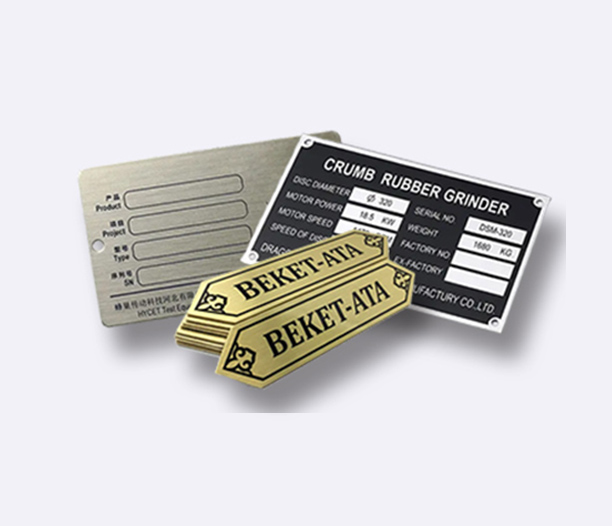
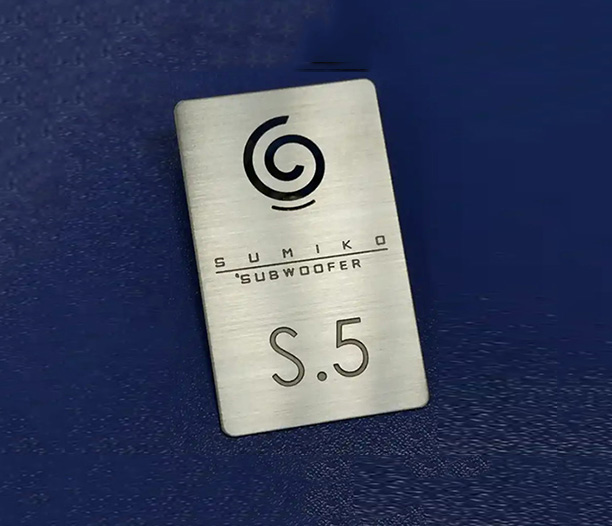
Brushed Aluminium: This is the most common and classic choice. The metal is treated to have fine parallel lines, giving it a soft, matte glow rather than a harsh reflection. It hides fingerprints and minor dust better than polished surfaces. A brushed aluminium logo design implies industrial efficiency and modern professionalism.
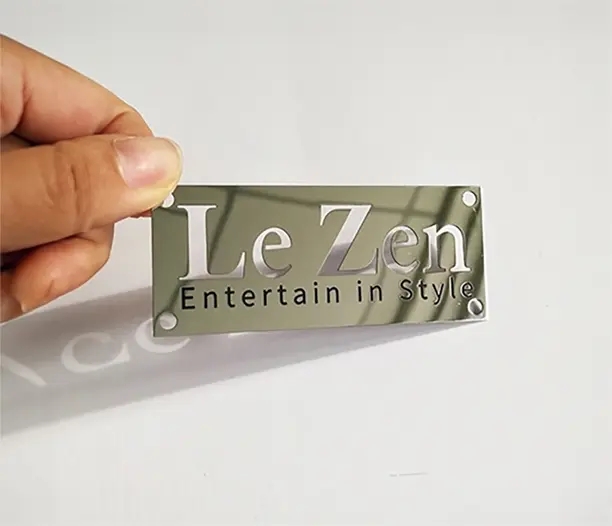
Polished Mirror Finish: For brands that want to shine, a mirror polish is the way to go. This finish reflects the surroundings, making the logo feel like part of the environment. High-end fashion retailers and beauty salons often choose this style of aluminium logo design to evoke luxury and glamour.
Painted and Powder Coated: Aluminium takes paint exceptionally well. If your brand colors are specific—say, a vibrant red or a deep navy blue—powder coating ensures the color is baked on. It resists chipping and fading. You get the durability of an aluminium logo design with the precise color palette of your corporate identity.
Durability in Outdoor Environments
Outdoor signage faces a constant battle against the elements. UV rays, rain, snow, and wind can destroy lesser materials. Vinyl peels. Wood rots. Acrylic can crack in freezing temperatures. Aluminium logo design solves these issues.
The natural oxidation process of aluminium creates a protective layer that prevents deep corrosion. This is why it is used in aircraft and marine applications. When you apply this to signage, you get a business sign that requires very little maintenance.
For storefronts, this longevity is a cost-saving measure. You might pay slightly more upfront for a quality aluminium logo design, but you won't be replacing it in three years. It is a "set it and forget it" solution for exterior branding.
Creating Depth with Dimensional Letters
Flat signs often fail to grab attention. They blend into the wall. To make a logo pop, you need depth. Aluminium logo design excels in creating three-dimensional signage.
There are two main ways to achieve this. The first is using solid flat-cut aluminium. These letters are cut from a sheet of metal, usually ranging from 1/8 inch to 1 inch thick. They are then mounted with spacers to float off the wall. The shadow cast by the letters adds a dynamic 3D effect.
The second method is fabricated hollow letters. This involves welding strips of aluminium to the sides of the letter face to create a deep "can." This is often used for larger outdoor signs. A fabricated aluminium logo design looks incredibly substantial and heavy, establishing a presence of authority on a building facade.
Lighting and Aluminium Integration
Metal is opaque, which creates interesting opportunities for lighting. You cannot light through the metal (unless you cut holes in it), so lighting an aluminium logo design usually involves "halo" illumination.
Halo lighting places LEDs inside or behind the metal letters. The light reflects off the wall behind the sign, creating a glowing aura around the text. This is highly effective for readability at night. It creates a silhouette effect that is sophisticated and moody.
Combining a brushed aluminium logo design with soft cool-white or warm-white LEDs creates a high-end architectural look. It turns a standard lobby sign into a focal point of the interior design.
Aluminium Composite Material (ACM)
Not every aluminium logo design needs to be solid metal. For businesses on a tighter budget or those needing very large signs, Aluminium Composite Material (ACM) is a popular alternative.
ACM consists of two very thin sheets of aluminium bonded to a polyethylene core. It is lightweight, rigid, and perfectly flat. It costs significantly less than solid plate aluminium.
From a viewing distance, an aluminium logo design made from ACM is indistinguishable from solid metal. It comes in various finishes, including brushed silver, gold, and solid colors. It is an excellent entry point for startups wanting the metal look without the heavy metal price tag.
Interior Office Applications
While outdoor signs focus on durability, indoor signs focus on intimacy and detail. In a reception area or conference room, people see the sign up close. Imperfections cannot be hidden. Aluminium logo design works beautifully here because of the precision of modern cutting technology.
Waterjet cutting and laser cutting allow for incredibly tight tolerances. Sharp corners, tiny serifs on fonts, and detailed icons are all possible. When a client sits in your lobby, a pristine aluminium logo design on the wall behind the receptionist reinforces the idea that your company values precision.
For interior walls, designers often mix materials. Imagine a clear acrylic panel with an aluminium logo design mounted on top of it. This layering adds complexity and visual interest to a blank office wall.
The Psychology of Material Choice
Materials communicate subconscious messages. Wood says "organic" or "traditional." Neon says "fun" or "nightlife." Metal says "trust."
Banks, law firms, and tech companies gravitate toward aluminium logo design because it feels permanent. It suggests that the company is stable. It implies that the business is strong enough to weather storms.
When you choose an aluminium logo design, you are aligning your brand with industrial strength. It removes the "cheap" factor that sometimes comes with printed graphics or foam letters. It elevates the perceived value of the services or products you offer.
Installation and Mounting Options
A great logo needs a secure foundation. Installing an aluminium logo design requires specific techniques to ensure safety and aesthetics.
Flush Mount: The letters are glued or studded directly against the wall surface. This looks clean but can sometimes result in water streaking on outdoor walls over time.
Standoff Mount: This is the preferred method for most aluminium logo design projects. Small metal spacers hold the letters 0.5 to 1 inch off the wall. This prevents dirt buildup behind the letters and creates that desirable drop shadow.
Raceway Mount: For electrical signs, letters are mounted to a long metal box (raceway) that holds the wiring. While less seamless than individual mounts, it requires fewer holes in the building facade, which many landlords prefer.
Customization and Anodizing
Anodizing is an electrochemical process that converts the metal surface into a decorative, durable, corrosion-resistant, anodic oxide finish. Unlike paint, anodizing is integrated with the underlying aluminium substrate.
An anodized aluminium logo design cannot chip or peel. The process allows for coloring the metal while keeping the metallic texture visible. You can have a blue, gold, or black logo that still looks and feels like metal, not plastic.
This opens up a world of creativity. You aren't stuck with silver. You can match your aluminium logo design to specific branding guidelines while retaining the premium texture of the material.
Sustainability and Eco-Friendliness
Modern consumers care about sustainability. Aluminium is one of the most recyclable materials on the planet. It can be recycled infinitely without losing its properties.
Choosing an aluminium logo design is an eco-friendly choice compared to certain plastics that end up in landfills. Many sign manufacturers use recycled aluminium sheets to produce their letters.
When your business eventually rebrands or moves, the old aluminium logo design can be scrapped and repurposed. This lifecycle appeals to green-conscious brands looking to minimize their carbon footprint.
Cost-Benefit Analysis
Is aluminium logo design expensive? Compared to vinyl stickers, yes. Compared to solid bronze or stainless steel, no. It sits in a sweet spot of affordability and luxury.
The longevity factor changes the calculation. A vinyl sign might need replacement every 3-5 years. An aluminium logo design can last 10-20 years or more. Over a decade, the metal sign often costs less per year of use.
Furthermore, the value of brand perception is difficult to quantify but undeniably real. If a better sign helps close one extra high-value deal because the client trusted your professional image, the aluminium logo design has paid for itself.
Maintenance and Care
One of the strongest selling points of aluminium logo design is the low maintenance requirement. However, "low maintenance" does not mean "no maintenance."
Outdoor signs should be cleaned occasionally to remove road grime, bird droppings, or pollution residue. A simple mixture of mild soap and water is usually enough. Harsh chemicals should be avoided to protect the finish.
For a brushed aluminium logo design, wiping in the direction of the grain is important to prevent cross-grain scratching. With minimal effort, these signs remain shiny and legible for decades.
Choosing the Right Manufacturer
Not all metal shops are created equal. When commissioning an aluminium logo design, look for shops that specialize in architectural signage.
Precision matters. You want a vendor who uses computer-numerical-control (CNC) routers or waterjets. Hand-cutting is a thing of the past for professional branding.
Ask for samples of finishes. A "brushed" finish can vary from shop to shop. Ensure the provider understands the specific requirements of your aluminium logo design, including the mounting surface and local zoning regulations regarding sign size.
Your logo is the face of your business. How you present it matters. Aluminium logo design offers a combination of durability, beauty, and versatility that few other materials can match. Whether you want a sleek, modern look for a tech firm or a dignified, classic look for a legal practice, aluminium adapts to your needs.
By investing in quality metal signage, you are signaling to the world that your business is here to stay. It is a commitment to quality that your customers will see and appreciate every time they walk through your door.
Frequently Asked Questions
Q1: How much does a custom aluminium logo design typically cost?
A1: The cost varies significantly based on size,thickness, and complexity. A smallinterior reception sign might star around 200-500, while largeoutdoor fabricated leters can range from $2,000 to over $10,000. Factors like LED iohting and custom painting also add to the final price of thealuminium logo design
Q2: Will an aluminium logo rust if placed near the ocean?
A2: Aluminium itself does not rust like steel. However, in high-salt environments, it can suffer from oxidation (white pitting). To prevent this, it is recommended to use a marine-grade clear coat or anodized finish on your aluminium logo design to ensure it withstands salt spray effectively.
Q3: Can I get my specific brand colors on an aluminium sign?
A3: Yes. Through processes like powder coating or automotive-grade wet painting, manufacturers can match Pantone (PMS) colors exactly. This allows you to maintain strict brand consistency while enjoying the durability of an aluminium logo design.
Q4: How heavy is an aluminium sign compared to steel?
A4: Aluminium is roughly one-third the weight of steel. This is a major advantage for installation. An aluminium logo design can often be mounted on drywall or lighter structures that would not support the weight of solid steel letters, reducing the need for heavy structural reinforcement.
Q5: What is the best way to clean a brushed aluminium logo?
A5: Use a soft microfibre cloth and a mild detergent mixed with water. Wipe gently in the direction of the grain (the brush lines). Avoid abrasive pads or chlorine-based cleaners, as these can permanently scratch or dull the finish of your aluminium logo design.