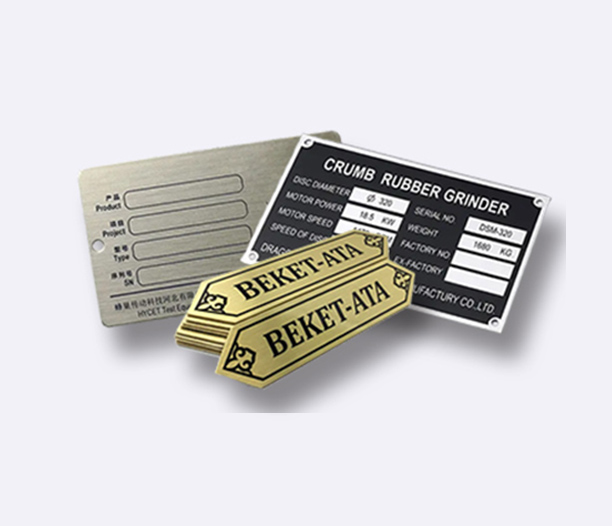
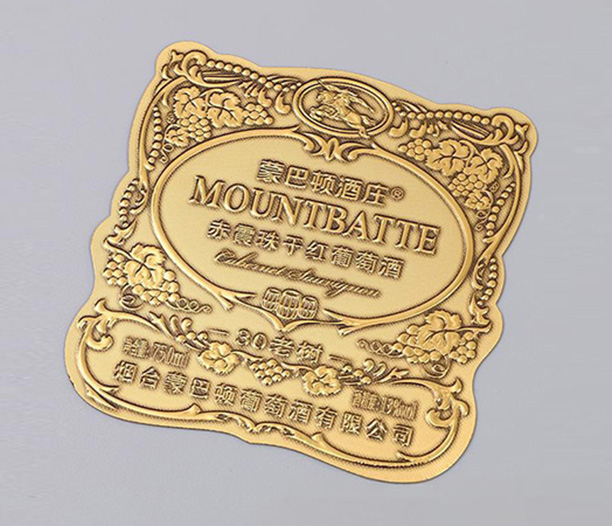
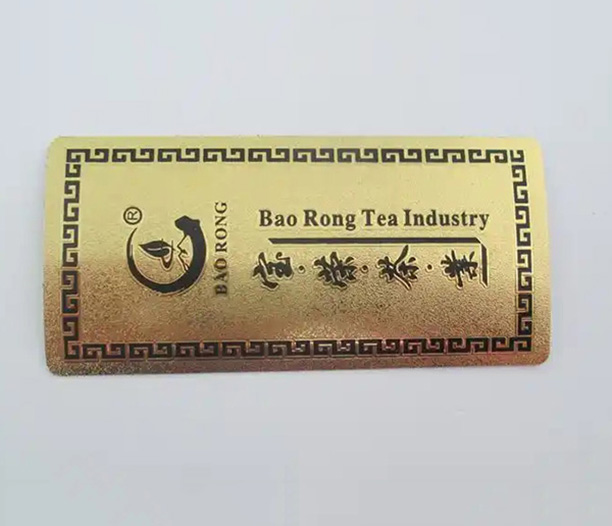
Aluminum nameplates serve as the
enduring identity for machinery, equipment, and brand assets, combining
corrosion resistance with high-definition graphics. Unlike plastic or paper
labels, aluminum withstands UV exposure, temperature extremes, and chemical
contact for over a decade. This article provides a technical deep‑dive into
aluminum nameplate alloys, finishing processes, and data‑driven performance
metrics, referencing verified data from Hemawell
Nameplate’s production of over 50 million units.
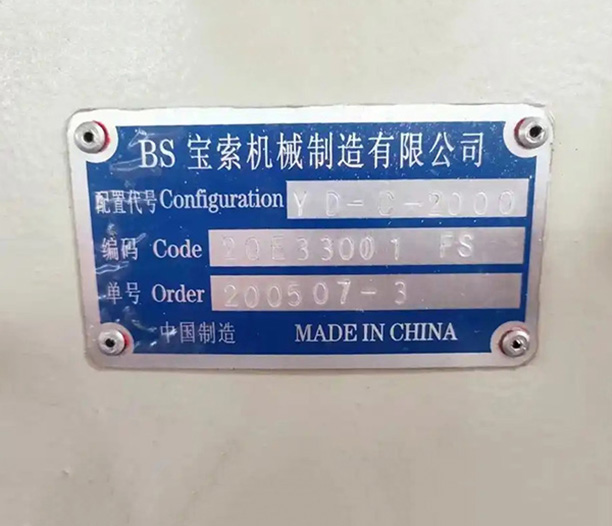
1. Metallurgical Foundation of Aluminum Nameplates
The choice of aluminum alloy directly impacts durability, printability, and
cost. Common alloys for aluminum nameplates include:
Alloy 1100 (commercially pure): Excellent formability and
corrosion resistance; used for anodized nameplates requiring deep, rich
colors.
Alloy 3003 (manganese alloyed): Higher strength than 1100,
ideal for embossed or stamped nameplates exposed to mechanical stress.
Alloy 5052 (magnesium alloyed): Superior saltwater
resistance, specified for marine and offshore applications.
Alloy 6061-T6 (heat treated): Highest strength-to-weight
ratio, used for structural nameplates that also function as mounting
brackets.
Thickness ranges from 0.2 mm (foil) to 3.0 mm (heavy‑duty industrial tags).
Hardness (H14 to H18 tempers) ensures scratch resistance during installation and
cleaning.
2. Surface Finishing and Durability Enhancement
2.1 Anodizing for Color and Protection
Anodizing converts the aluminum surface into a hard, porous oxide layer that
can be dyed any color. Type II anodizing (5–25 μm thickness) is standard for
indoor nameplates; Type III hard anodizing (25–75 μm) provides military‑grade
wear resistance. Aluminum nameplates from Hemawell Nameplate undergo a
9‑step anodizing process with sealed pores to prevent fading and corrosion,
achieving a 5‑year Florida exposure rating (ASTM D2244) with ΔE ≤ 2.5.
2.2 Screen Printing and Digital Imaging
For high‑volume runs, screen printing using UV‑curable epoxy inks offers
5‑year outdoor durability. For variable data (serial numbers, barcodes), digital
UV printing or laser marking is used. Laser marking on anodized surfaces creates
a permanent black image without added coatings – tested to 10,000 abrasion
cycles (Taber test, CS‑10 wheel).
3. Marking Technologies and Data Encoding
Modern aluminum nameplates often integrate
machine‑readable codes for asset tracking. Common techniques:
Dot peen marking: Mechanically indents characters (0.2–1.2
mm depth) for permanent traceability – withstands sandblasting.
Laser etching: Fiber lasers create high‑contrast 2D Data
Matrix codes readable at 99.5% first‑pass rate.
Chemical etching: Produces fine details (0.1 mm line width)
for complex logos or safety pictograms.
Embossing: Raised characters for tactile identification,
common in electrical equipment nameplates.
For barcode and QR code integration, Hemawell Nameplate recommends
laser‑etched codes with 4‑mil minimum cell size, verified to ANSI MH10.8.2
standards.
4. Application Verticals for Aluminum Nameplates
4.1 Heavy Machinery and Construction Equipment
Bulldozers, cranes, and agricultural machinery require nameplates that
survive abrasion, hydraulic fluids, and temperature swings (−40°C to +120°C).
Embossed aluminum nameplates with epoxy fill are specified by major OEMs. A
Caterpillar supplier reduced replacement frequency from 18 months to 7 years
after switching to anodized 5052 alloy nameplates from Hemawell.
4.2 Electrical and Control Panels
UL 969‑compliant nameplates for circuit breakers, motor starters, and HMI
panels must resist cleaning solvents and maintain legibility for 20+ years.
Chemical‑etched aluminum with black epoxy fill meets these requirements, with a
flammability rating of V‑0 (UL 94).
4.3 Aerospace and Defense
MIL‑STD‑130 requires UID (Unique Identification) markings on all assets.
Laser‑marked aluminum nameplates using 6061‑T6 alloy with chromate conversion
coating satisfy salt spray resistance (500 hours per ASTM B117).
4.4 Marine and Offshore
Salt fog exposure demands maximum corrosion protection. Hemawell Nameplate
supplies anodized 5052 nameplates with a clear acrylic overlaminate, tested to
1,000 hours salt spray (ASTM B117) without pitting.
4.5 Medical Devices
Autoclavable aluminum nameplates (steam sterilization at 134°C) use 1100
alloy with ceramic‑filled laser marking, ensuring no delamination after 200
cycles.
5. Solving Common Industry Pain Points
5.1 Pain Point: Fading or Delamination in Outdoor Use
Solution: Hard anodizing (Type III) with UV‑stable dyes,
combined with ceramic overprint, provides 10‑year Florida exposure without
noticeable color change. Accelerated weathering tests (QUV, 1,000 hours) show ΔE
< 3.0.
5.2 Pain Point: Barcode Readability After Painting
Solution: Laser etching removes the anodized layer, creating
a contrasting cavity that remains readable even if the nameplate is
over‑painted. This is critical for construction equipment that undergoes
periodic repainting.
5.3 Pain Point: Small Batch Customization with Variable Data
Solution: Digital UV printing on pre‑anodized aluminum
sheets eliminates tooling costs for runs of 1–500 pieces. Hemawell Nameplate
offers 24‑hour turnaround for digitally printed prototypes, with serialization
in any font or 2D code.
5.4 Pain Point: Chemical Resistance in Industrial Cleaning
Solution: Epoxy‑filled screen printing or ceramic laser
marking withstands aggressive solvents (MEK, toluene, isopropyl alcohol). Tests
per ASTM D5402 show no degradation after 100 double rubs.
6. Performance Data and Certification
Aluminum nameplates manufactured by
Hemawell
Nameplate are routinely tested to international standards:
Adhesion: Cross‑hatch tape test (ASTM D3359) – 5B
classification (no peeling).
Abrasion: Taber abrasion (CS‑10 wheel, 1,000 g load) – <
10 mg weight loss after 1,000 cycles.
Salt spray: ASTM B117 – 1,000 hours with no visible
corrosion (for anodized/5052).
Temperature cycling: −40°C to +120°C, 100 cycles – no
cracking or delamination.
Flammability: UL 94 V‑0 (self‑extinguishing).
All production lots include a Certificate of Conformance with test reports
available via QR code.
7. Why Hemawell Nameplate Leads in Aluminum Nameplate Manufacturing
With 18 years of specialty nameplate production, Hemawell
Nameplate combines in‑house anodizing, digital printing, and laser
marking under one roof. Each job is engineered to the exact environmental and
regulatory requirements – whether it’s a UL‑recognized electrical label or a
MIL‑STD‑130 UID tag. Hemawell offers:
On‑site alloy selection consulting based on operating conditions.
Free artwork proofing with color matching (Pantone® certified).
Serialized data management with 2D barcode verification.
Just‑in‑time delivery and consignment stocking for large OEMs.
Hemawell’s quality management system is ISO 9001:2015 certified, and all
materials are RoHS and REACH compliant.
Frequently Asked Questions (FAQ)
Q1: What is the expected outdoor lifespan of aluminum
nameplates?
A1: With Type II anodizing and UV‑stable inks, aluminum
nameplates typically last 8–12 years in outdoor conditions (vertical exposure).
For harsher environments (direct sun in desert climates), Type III hard
anodizing extends life to 15+ years. Hemawell provides accelerated weathering
test data for your specific region.
Q2: Can aluminum nameplates be attached to curved or irregular
surfaces?
A2: Yes. Thin gauges (0.2–0.5 mm) can be formed to match
curved surfaces. For thicker plates, we offer custom‑radius bending or adhesive
backing with foam tape that conforms to minor irregularities. Mechanical
fastening (rivets, screws) is also available.
Q3: What marking methods are best for high‑contrast
barcodes?
A3: For black‑on‑silver contrast, laser etching on
anodized aluminum produces the highest readability (grade A per ISO/IEC 15415).
For color barcodes, digital UV printing achieves grade B or higher. Both methods
are verified with barcode verifiers before shipment.
Q4: Do aluminum nameplates comply with UL/cUL
requirements?
A4: Yes. Hemawell Nameplate produces UL Recognized
Component nameplates (UL 969) with appropriate markings. We maintain a UL Yellow
Card for our materials and processes. Please specify the UL file number during
inquiry.
Q5: What is the minimum order quantity (MOQ) for custom aluminum
nameplates?
A5: For digitally printed nameplates, MOQ is just 1
piece – ideal for prototypes or asset tags. For screen printed or anodized
plates, typical MOQ is 50–100 pieces to amortize tooling. However, Hemawell
stocks blank anodized sheets and can laser‑mark small batches with no tooling
charge.
Q6: How do I clean aluminum nameplates without damaging
them?
A6: Mild soap and water with a soft cloth is sufficient for
most anodized surfaces. Avoid abrasive cleaners or steel wool. For solvent
resistance, our epoxy‑filled and laser‑etched nameplates can be wiped with
isopropyl alcohol or acetone without fading.
Q7: Can aluminum nameplates be recycled at end of
life?
A7: Absolutely. Aluminum is 100% recyclable without loss of
properties. The anodized coating is inert and does not interfere with recycling.
Many of our customers include recyclability statements on their nameplates to
support sustainability goals.
Q8: What file formats are accepted for artwork?
A8: We
accept AI, PDF, CDR, EPS, and high‑resolution TIFF/JPEG. For variable data,
Excel or CSV files with serial numbers can be imported directly into our laser
marking system. Hemawell provides a free artwork check for print readiness.