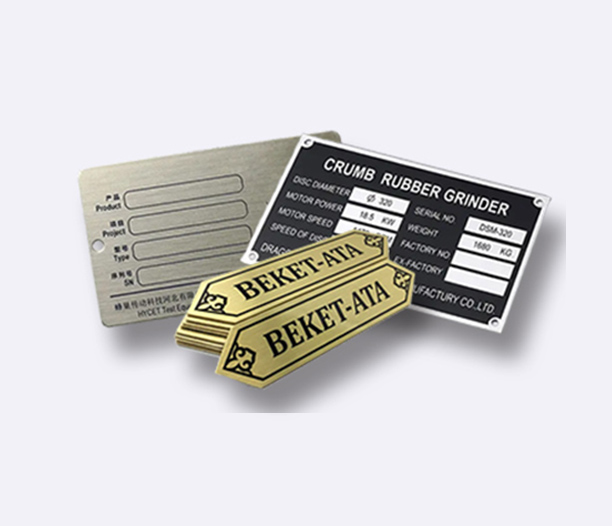
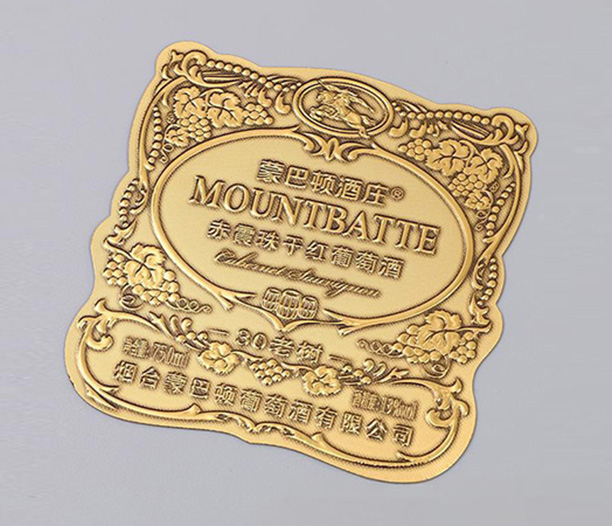
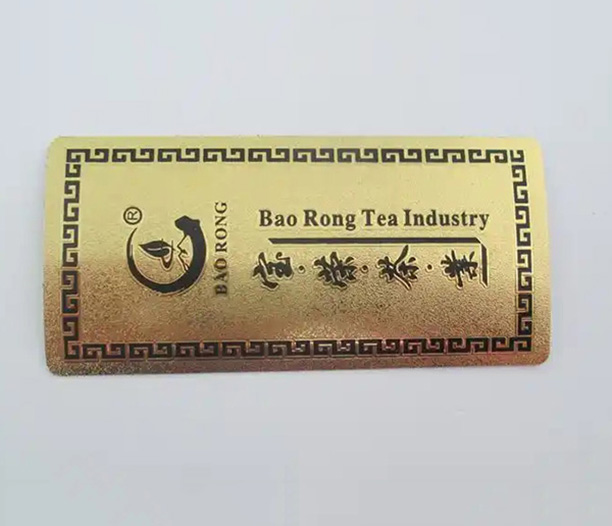
Custom Engraved Tags: Durable & Personalized IdentificationFrom factories to family pets, clear and lasting identification matters. custom engraved tags offer a permanent solution that withstands weather, wear, and chemicals. Unlike printed stickers or paper labels, these tags are created by physically marking the surface, ensuring the text remains legible for years. Whether you need to label heavy machinery, organize your workshop, or add a personal touch to a gift, engraved tags deliver reliability and a professional appearance. In this article, we explore the materials, applications, and benefits of choosing engraved identification, along with practical tips for ordering exactly what you need.
What Are Custom Engraved Tags and How Are They Made?
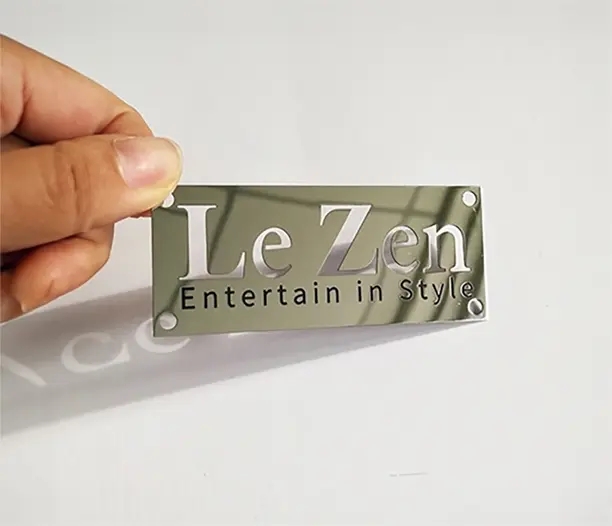
custom engraved tags are small plaques or labels made from various materials, with text, numbers, or logos carved into the surface. The engraving process can be done mechanically (rotary engraving) or with lasers, creating a recessed mark that won’t fade or peel. This makes them ideal for environments where labels are exposed to solvents, sunlight, or heavy handling.
Engraving offers a high level of detail – from small serial numbers to complex barcodes. Many suppliers also offer the option to add color fill to the engraved areas, making the information even more visible. The result is a professional, long-lasting tag that can be attached using screws, rivets, adhesive backing, or cable ties.
Materials Used in Custom Engraved Tags
The choice of material directly affects the tag’s durability, appearance, and cost. Below are the most common options:
Metal Tags: Aluminum, Brass & Stainless Steel
Aluminum: Lightweight, corrosion-resistant, and cost-effective. Anodized aluminum can be color-filled for high contrast. Ideal for indoor use and light outdoor applications.
Brass: Offers an elegant, traditional look. Often used for nameplates, trophies, and architectural signs. Develops a patina over time unless coated.
Stainless steel: Extremely durable and resistant to extreme temperatures, chemicals, and moisture. Perfect for harsh industrial environments, marine equipment, and outdoor assets.
Plastic and Laminate Tags
Acrylic: Available in many colors and provides a glossy finish. Good for indoor signage and decorative tags.
Laminated plastic: Often made of two-color plastic (e.g., white with a black core). When engraved, the core color reveals the text. Commonly used for asset tags and instructional labels.
Polyester (PET): Flexible and chemical-resistant. Suitable for curved surfaces or applications requiring some flexibility.
Key Applications for Custom Engraved Tags
Because of their durability and customizability, these tags are used across many sectors. Some of the most frequent uses include:
Industrial & Commercial Identification
Asset tracking tags with barcodes or QR codes.
Warning and safety signs on machinery.
Pipe markers and electrical panel labels.
Valve tags for quick identification in plants.
Personal & Pet Identification
Pet ID tags with owner contact details.
Luggage tags for travel.
Keychains and backpack tags.
Medical alert bracelets or pendants.
Gifts, Awards & Decorative Items
Engraved plaques for achievements.
Personalized jewelry and keepsakes.
Custom kitchen utensils or cutting boards.
Memorial markers and garden stakes.
Why Choose Custom Engraved Tags Over Other Labeling Methods
Compared to printed labels, inkjet markings, or adhesive paper, engraved tags offer distinct advantages:
Longevity: The engraving cannot be smudged, scratched off, or faded by UV light.
Chemical resistance: Ideal for labs, factories, and outdoor areas where solvents or cleaning agents are present.
Professional appearance: The clean, precise look of engraved text conveys quality and attention to detail.
Easy to clean: Tags can be wiped down without damaging the text.
Variety of attachment options: Holes, slots, adhesive, or magnetic backs allow secure fixing.
For businesses, using custom engraved tags can reduce replacement costs and improve safety by ensuring critical information always remains readable.
How to Design Effective Custom Engraved Tags
Creating a tag that works well requires consideration of size, content, and readability. Follow these guidelines:
Information to Include
Essential data only – keep it concise.
Use universally recognized symbols or abbreviations if space is tight.
Consider adding a unique ID number or barcode for asset tracking.
Font and Layout
Choose sans-serif fonts (e.g., Arial, Helvetica) for maximum legibility.
Minimum text height of 1/8" (3mm) for normal viewing distances.
Contrast is key: dark engraving on a light background, or vice versa.
Size and Attachment
Measure the available space where the tag will be mounted.
Pre-drilled holes or slots should match the fastener size.
For curved surfaces, consider flexible materials or smaller tags.
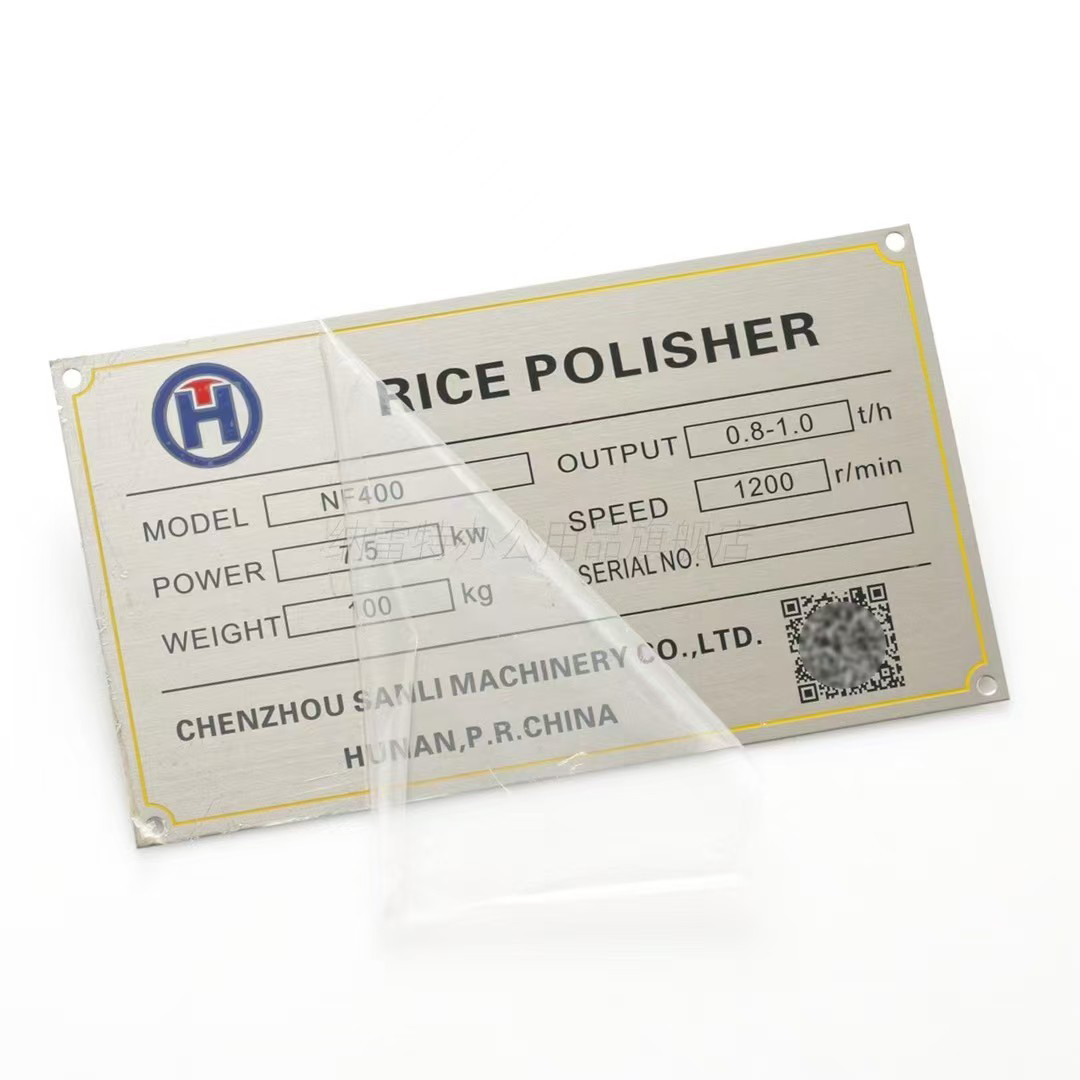
Where to Order High-Quality Custom Engraved Tags
Reliable suppliers offer a range of materials, quick turnaround, and design assistance. When choosing a vendor, check their material options, proofing process, and minimum order quantities. For a trusted source of durable, precision-engraved tags, explore custom engraved tags from NYETER. They provide a variety of metals and plastics, with options for color filling and custom shapes to match your exact requirements. Whether you need a single prototype or bulk orders, working with an experienced manufacturer ensures your tags will perform as expected.
Frequently Asked Questions About Custom Engraved Tags
Q1: Can I get custom engraved tags in any shape?
A1: Yes, most manufacturers offer custom shapes. You can provide a vector file (like .ai or .dxf), or choose from standard shapes such as rectangles, circles, or ovals. Keep in mind that highly intricate shapes may increase production time.
Q2: How do I attach engraved tags to equipment?
A2: Common methods include screws or rivets through pre-drilled holes, industrial-grade adhesives (for smooth surfaces), cable ties (for pipes or bars), or self-adhesive backing. Always consider the environment – adhesives may weaken in high heat, while screws provide a permanent hold.
Q3: Will the engraving fade over time?
A3: No, the engraving itself is a physical cut into the material, so it won’t fade. However, if color fill is added, the fill might wear or discolor after many years of heavy abrasion or chemical exposure. Unfilled engraving on metal or plastic remains intact indefinitely.
Q4: What is the typical turnaround time for custom engraved tags?
A4: Turnaround depends on order quantity and complexity. Simple tags can ship in 2–3 business days, while larger orders or those requiring special materials may take 1–2 weeks. Always confirm with the supplier before ordering.
Q5: Can I engrave logos or graphics, or just text?
A5: Absolutely. Modern engraving machines can reproduce vector graphics, company logos, and even fine details like barcodes or data matrix codes. Be sure to provide high-resolution artwork to ensure the best result.
Q6: Are custom engraved tags suitable for outdoor use?
A6: Yes, if you select the right material. Stainless steel, anodized aluminum, and some UV-stabilized plastics perform well outdoors. Avoid untreated brass or non-anodized aluminum in coastal or humid areas to prevent corrosion.
Q7: Do you offer samples before placing a large order?
A7: Many suppliers provide sample tags, either for a small fee or free of charge. It is recommended to order a sample to verify size, material, and engraving quality, especially for critical applications.
In summary, custom engraved tags deliver unmatched durability and clarity for a wide range of identification tasks. By selecting the appropriate material and design, you can ensure that your tags remain legible and professional for years. Whether you need to track industrial assets, keep your pets safe, or create a memorable gift, engraved tags offer a reliable and attractive solution. Take the time to plan your tag’s information and layout, and partner with a reputable manufacturer to achieve the best results.