Customized Nameplate: Guide to Uses, Materials, and Design for Home and BusinessA customized nameplate is a practical item that adds a personal touch. It helps with identification and decoration in many settings. This article covers key aspects to help you choose the right one.
From offices to homes, these plates serve various purposes. We will look at materials, design steps, and applications. You will find useful tips for ordering and maintenance.
What Is a Customized Nameplate?
A customized nameplate is a tag or plate with personalized text. It often includes names, logos, or other details. These plates are used for marking items or spaces.
They come in different shapes and sizes. The design can be simple or elaborate. This flexibility makes them popular.
Basic Definition and Purpose
At its core, a nameplate displays information clearly. It can be made from metal, plastic, or other materials. Customization allows for unique looks.
Common purposes include:
Identifying rooms or doors
Labeling equipment in offices
Adding a personal touch to gifts
Enhancing brand visibility for businesses
Using a customized nameplate ensures clarity and style. It combines function with aesthetics.
Benefits of Using Customized Nameplates
Customized nameplates offer many advantages. They improve organization and presentation. Both individuals and companies can benefit.
Here are some key benefits to consider.
For Personal Use
At home, these plates can mark rooms or belongings. They add a decorative element. It helps in creating a welcoming environment.
Personal benefits include:
Easy identification of items
Enhanced home décor
Unique gift options for events
Durable labeling for outdoor use
A customized nameplate makes spaces feel more personal. It reflects individual taste.
For Business Use
In professional settings, nameplates are essential. They identify employees, offices, and equipment. This boosts professionalism and efficiency.
Business advantages include:
Improved brand consistency
Better wayfinding in large buildings
Increased security with clear labeling
Cost-effective marketing tool
Investing in a customized nameplate can enhance corporate image. It shows attention to detail.
Materials for Customized Nameplates
Choosing the right material is important. It affects durability, look, and cost. Various options are available.
Each material has its own features. We will explore common types.
Metal Nameplates
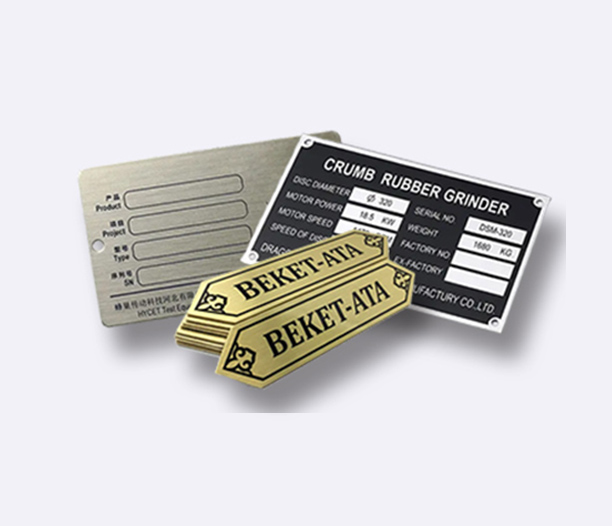
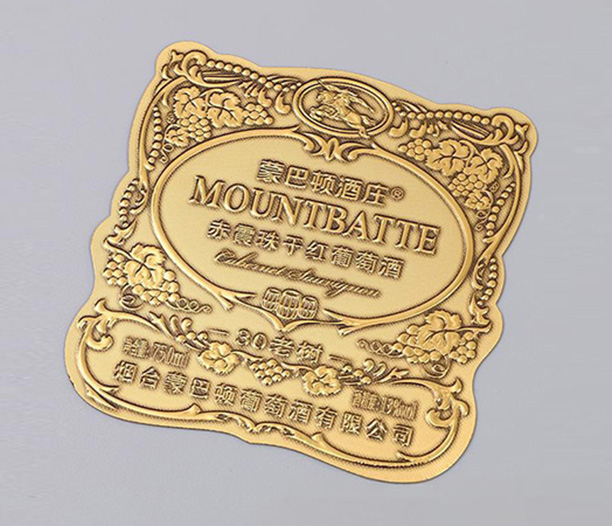
Metal nameplates are sturdy and long-lasting. They often use aluminum, brass, or stainless steel. These are good for indoor and outdoor use.
Key points about metal plates:
Resistant to weather and wear
Can be etched or engraved for detail
Often used in industrial settings
May have a higher cost but offer longevity
Metal is a top choice for professional applications. It gives a premium feel.
Plastic and Acrylic Nameplates
Plastic nameplates are lightweight and affordable. Acrylic options provide a modern look. These materials are easy to customize.
Benefits of plastic and acrylic:
They are ideal for temporary or decorative purposes. A customized nameplate in plastic can be vibrant.
Wood and Other Materials
Wood nameplates offer a natural, classic appearance. Other materials like glass or stone are also used. These add a unique touch.
Considerations for wood and alternatives:
Wood requires treatment for durability
Glass provides an elegant look but is fragile
Stone is heavy and best for permanent installation
These materials suit specific décor themes
Select material based on your needs and environment.
Design Process for Customized Nameplates
Designing a nameplate involves several steps. It starts with planning and ends with production. Good design ensures satisfaction.
Follow these steps for best results.
Planning Your Design
First, decide on the purpose and location. This influences size, text, and style. Sketch ideas or use online tools.
Important design elements include:
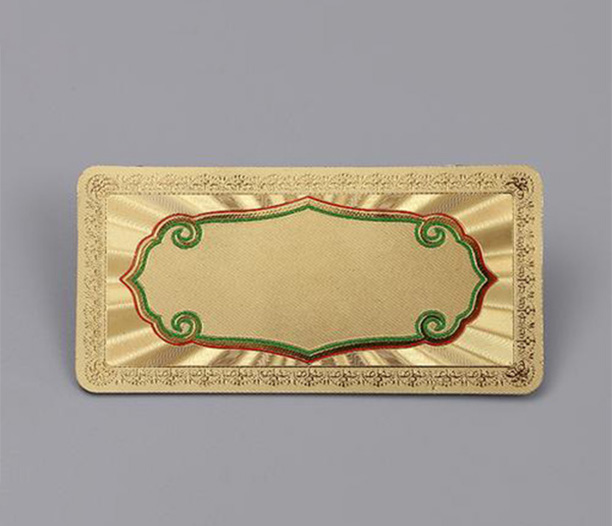
Font style and size for readability
Color schemes that match surroundings
Graphics or logos if needed
Mounting options like adhesive or screws
Clear planning avoids mistakes later. A customized nameplate should be functional and attractive.
Ordering and Production Tips
Once design is ready, choose a reliable supplier. Check reviews and request samples. Provide precise specifications.
Tips for ordering:
Compare quotes from multiple providers
Ask about turnaround times
Confirm material quality and finish
Review proof before final production
Good communication with the supplier is key. It ensures the final product meets expectations.
Applications of Customized Nameplates
Customized nameplates are used in many areas. They serve practical and aesthetic roles. Here are common applications.
In Office Environments
Offices use nameplates on doors, desks, and equipment. They help with navigation and organization. This improves workflow.
Examples in offices:
Employee name tags for desks
Department signs for rooms
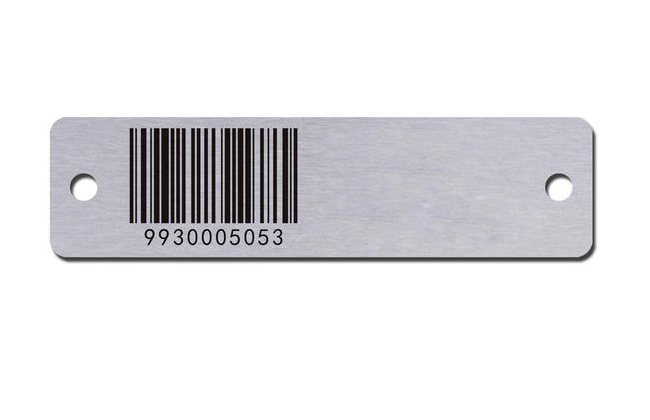
Asset labels for computers and tools
Reception area signage for visitors
A customized nameplate fosters a professional atmosphere. It makes spaces more efficient.
At Home and in Personal Spaces
Homes benefit from nameplates for rooms, mailboxes, or crafts. They add charm and clarity. It is a simple way to personalize.
Personal uses include:
Name signs for children's rooms
Address plates for houses
Labels for storage boxes
Decorative pieces for gardens
These plates make daily life more organized. They also serve as conversation starters.
Special Events and Gifts
Nameplates are popular for events like weddings or awards. They can be given as personalized gifts. This adds a thoughtful element.
Event applications:
Place cards at dining tables
Trophy plates for competitions
Commemorative tags for retirees
Custom souvenirs for conferences
Such uses highlight the versatility of nameplates. They create lasting memories.
Maintenance and Care for Customized Nameplates
Proper care extends the life of nameplates. It depends on the material. Regular cleaning keeps them looking new.
Follow these general guidelines.
Cleaning and Protection
For metal plates, use a soft cloth and mild soap. Avoid abrasive cleaners. Plastic plates can be wiped with damp cloths.
Care tips by material:
Metal: Dry thoroughly to prevent rust
Plastic: Avoid harsh chemicals that may fade colors
Wood: Apply polish or sealant periodically
Acrylic: Use non-scratch cleaners for clarity
Routine maintenance ensures durability. A well-kept customized nameplate remains effective for years.
Repair and Replacement
If a nameplate gets damaged, assess if it can be fixed. Small scratches might be polished out. For major damage, consider replacement.
Steps for handling issues:
Check mounting hardware for looseness
Contact the supplier for repair options
Keep spare plates for critical applications
Update designs when rebranding occurs
Planning ahead reduces downtime. It keeps your spaces looking tidy.
Conclusion
A customized nameplate is a valuable tool for many situations. It combines function with personal expression. From materials to design, careful choices lead to great results.
We hope this guide helps you in selecting and using nameplates. Whether for home or business, they offer clear benefits. Start exploring options today.
Frequently Asked Questions
Q1: What is a customized nameplate used for?
A1: A customized nameplate is used for identification, decoration, and organization. It can display names, logos, or information on items like doors, desks, or gifts in personal and professional settings.
Q2: How do I choose the right material for a customized nameplate?
A2: Consider factors like durability, location, and budget. Metal is sturdy for outdoor use, plastic is affordable for indoors, and wood offers a classic look. Match the material to your specific needs.
Q3: Can I design my own customized nameplate online?
A3: Yes, many suppliers provide online design tools. You can upload graphics, choose fonts, and preview the look. This allows for easy customization before ordering.
Q4: What is the average cost of a customized nameplate?
A4: Costs vary based on material, size, and complexity. Simple plastic plates may cost $5 to $20, while metal ones can range from $15 to $100 or more. Bulk orders often reduce per-unit prices.
Q5: How long does it take to produce and deliver a customized nameplate?
A5: Production time typically takes 1 to 3 weeks, depending on design and supplier. Delivery adds extra time based on location. Rush services may be available for faster turnaround.