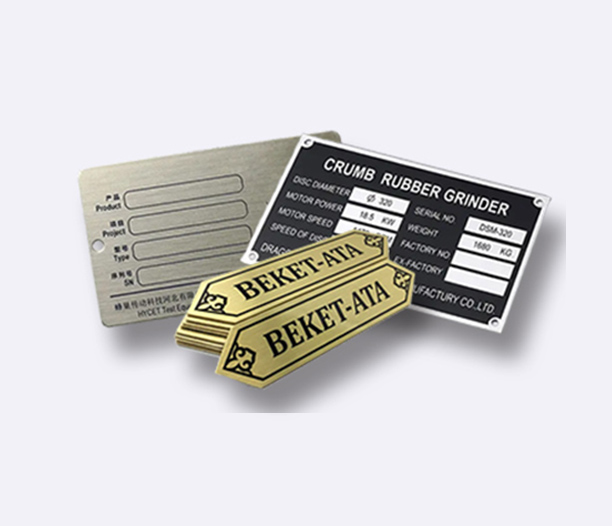
An equipment name plate is a small but critical asset. Often overlooked, it serves as the permanent identity card and information hub for a machine, device, or piece of industrial gear. If you've ever looked for a model number, serial number, or electrical rating on a device, you've looked for the nameplate.
This tag holds data essential for safety, operation, maintenance, and compliance. Unlike temporary labels or stickers, a true equipment identification plate is designed to last the lifetime of the asset. It withstands harsh environments, handling, and time.
Understanding its importance, types, and best practices is crucial for operators, maintenance teams, and safety officers. This article details everything you need to know about this essential component.
Why an Equipment Name Plate is Non-Negotiable
The primary role of an equipment name plate is to convey vital information permanently and clearly. Its presence is often a legal and practical requirement, not an option.
Safety and Hazard Communication
A nameplate provides critical safety data. This includes voltage, amperage, pressure ratings, and warning symbols. Correct information prevents overloads, improper use, and serious accidents. It is the first point of reference for anyone interacting with the equipment.
Regulatory and Standards Compliance
Numerous global standards require a permanent equipment identification plate. Organizations like OSHA, ISO, and the NEC mandate specific data on machinery. This includes manufacturer details, certification marks, and safety warnings. A compliant nameplate proves due diligence.
Asset Management and Traceability
The serial number and model number on an asset nameplate are unique fingerprints. They enable precise tracking for inventory, warranty claims, and maintenance history. This data is vital for lifecycle management and cost forecasting.
Operational Efficiency
Clear technical specifications help operators use the equipment within its designed parameters. This optimizes performance, reduces downtime, and extends service life. A missing or unreadable plate leads to guesswork and errors.
Maintenance and Repair
Service technicians rely heavily on the equipment name plate. It provides the exact part numbers, diagrams, and specifications needed for correct repairs. This speeds up troubleshooting and ensures genuine parts are used.
Common Types of Equipment Name Plates
Not all nameplates are the same. The type used depends on the application, environment, and required durability.
Metal Name Plates
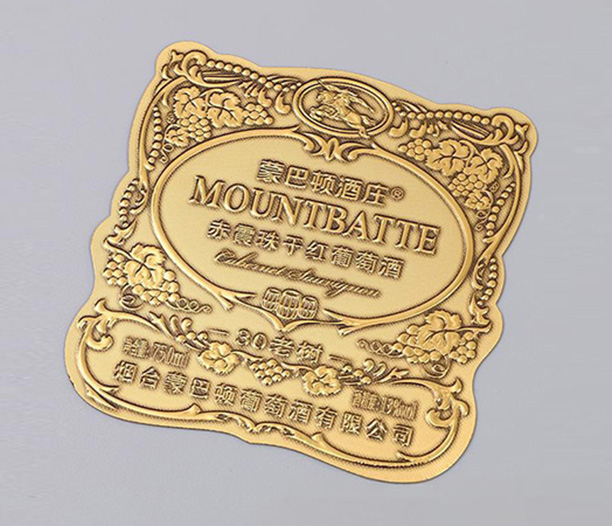
Metal is the standard for durability. Common metals include aluminum, stainless steel, and brass. These metal nameplates are ideal for harsh industrial environments. They resist heat, chemicals, abrasion, and weathering. Techniques like etching, stamping, or embossing create permanent marks.
Polyester and Plastic Nameplates
These are versatile and cost-effective. Polyester labels, often with a protective laminate, are excellent for indoor equipment. They offer good resistance to moisture and mild chemicals. Polyester nameplates often use adhesive backing for easy application.
Outdoor and Harsh Environment Nameplates
For equipment exposed to sunlight, salt spray, or extreme weather, specialized materials are used. These include anodized aluminum, etched stainless steel, or polyester with UV-resistant overlays. The goal is to prevent fading, corrosion, and degradation for decades.
Compliance and Certification Labels
These are a specific subset of equipment name plates. They display mandatory safety marks (UL, CE, CSA) and hazard warnings. Their design and content are often strictly governed by the certifying body. Legibility and permanence are paramount.
Serial Number Plates and Asset Tags
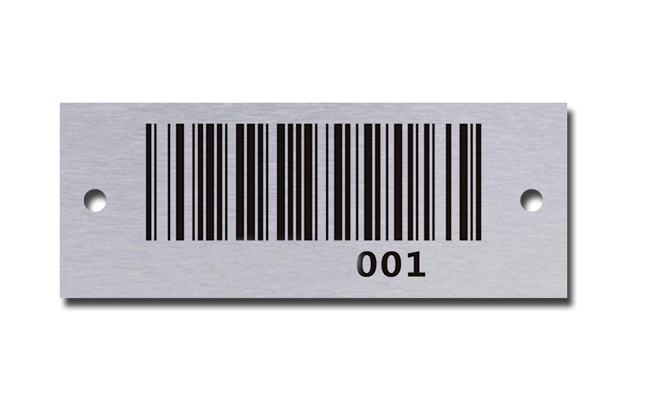
While often part of a larger nameplate, serial plates are sometimes separate. They focus on providing a unique, tamper-evident identifier for the asset. Methods like barcoding or QR codes are frequently added for digital tracking.
Choosing the Right Materials and Attachment Methods
Selecting the correct combination is key to a long-lasting equipment name plate.
Material Selection Factors
Consider the operating environment first. Is there exposure to oils, solvents, or high temperatures? Will it face constant abrasion or UV light? Aluminum suits general industry, while stainless steel is for corrosive or high-temp areas. Plastic may suffice for controlled indoor settings.
Marking Technology: What's on the Plate?
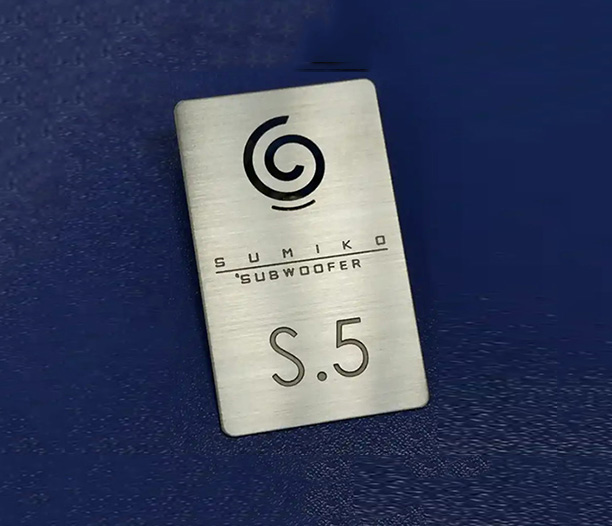
The information must be as durable as the substrate. For metal, etching, stamping, and laser marking are popular. They remove material to create deep, permanent marks. For plastics and laminates, high-performance digital printing or screen printing with protective topcoats is common.
How to Attach the Name Plate Securely
The attachment must last as long as the plate itself. Common methods include:
- Adhesive Backing: Strong industrial-grade adhesives (like VHB tape) are clean and effective for smooth surfaces.
- Rivets: Provide a permanent, mechanical fastening ideal for heavy machinery.
- Screws or Bolts: Used for thicker plates or where the plate may need official sealing.
- Welding or Brazing: A permanent option for some metal tags on metal surfaces.
The choice depends on the surface material, environmental conditions, and whether removal is ever anticipated.
Essential Information on a Standard Name Plate
A well-designed equipment name plate presents information logically and clearly. Typical data includes:
- Manufacturer Information: Company name and often contact details.
- Model and Part Number: Identifies the specific product version.
- Serial Number: The unique identifier for that individual unit.
- Electrical Ratings: Voltage, amps, wattage, phase, and frequency.
- Pressure/Temperature Ratings: Maximum operating limits.
- Safety Certifications: Logos like UL, CE, or ETL.
- Warning and Caution Statements: Hazard pictograms and text.
- Date of Manufacture: Important for age-related maintenance.
- QR or Barcode: Links to digital manuals, parts lists, or service history.
Design and Installation Best Practices
A perfect nameplate is useless if it's unreadable or falls off.
Design for Readability and Longevity
Use high-contrast colors (e.g., black on silver). Choose legible, sans-serif fonts. Ensure symbols are standard and recognizable. The layout should be clean, with critical information (like warnings) prominent.
Proper Placement on Equipment
Install the equipment name plate in a visible, accessible location. It should not be on a removable panel or in a location that wears from routine operation. Avoid areas exposed to direct heat sources or runoff. The surface should be clean, dry, and smooth before application.
Verification and Audit
After installation, verify that all information is correct and legible. Periodically audit nameplates during maintenance cycles to ensure they remain intact and readable. Replace any that are damaged.
Maintaining and Replacing Damaged Name Plates
Over time, even durable plates can become damaged. Abrasion, chemical spills, or physical impact can obscure data.
A missing or illegible nameplate creates significant risk. It can halt operations for lack of safety data. It can void warranties and complicate repairs.
Replacement involves creating a new, identical tag using archived data. This underscores the importance of keeping a digital record of all equipment name plate information separately. Specialist manufacturers can replicate original plates if specifications are provided.
Frequently Asked Questions (FAQs)
Q1: Is an equipment name plate legally required?
A1: In most jurisdictions, yes. Machinery and electrical equipment are generally subject to safety standards (like OSHA, NEC, or the Machinery Directive) that mandate a permanent nameplate with specific safety and identification data. Operating equipment without it may be non-compliant.
Q2: What's the difference between a nameplate and a rating plate?
A2: The terms are often used interchangeably. However, a "rating plate" specifically emphasizes the operational limits and technical specifications (like voltage, power, pressure). A "nameplate" is a broader term that includes this rating data plus identification information like model and serial number.
Q3: Can I use a sticker instead of a metal name plate?
A3: It depends on the environment and standards. For indoor, benign environments and non-critical data, a durable polyester sticker may suffice. For industrial, outdoor, or safety-critical applications, a permanently marked metal equipment name plate is almost always required to ensure longevity and legibility.
Q4: How do I clean an equipment name plate without damaging it?
A4: Use a soft cloth with mild soap and water. For grease, a mild solvent like isopropyl alcohol can be used. Avoid abrasive pads, steel wool, or harsh chemicals that can scratch the surface or degrade protective coatings. Always test a small area first.
Q5: Who is responsible for replacing a damaged or missing name plate?
A5: The ultimate responsibility lies with the equipment owner or operator to ensure their assets are properly identified and labeled. The replacement can be sourced from the original manufacturer or a professional nameplate manufacturer who can replicate the original tag using archived specifications.