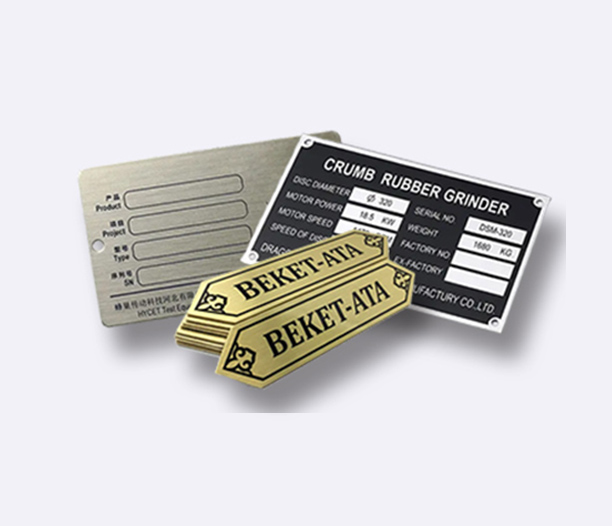
In today’s fast-paced industrial and commercial environments, reliable identification is crucial. Whether it’s for equipment, machinery, or safety signs, labels must withstand harsh conditions. This is where stainless steel labels come into play. These robust markers offer a permanent solution for tagging and information display. They are designed to endure extreme temperatures, moisture, chemicals, and physical wear. Many industries rely on them for long-term asset management. If you’re looking for a labeling option that won’t fade or fail, stainless steel labels might be the answer.
Stainless steel labels are not just functional; they also provide a professional appearance. Their sleek, metallic finish adds a touch of durability to any setting. From factories to outdoor installations, these labels ensure that critical information remains legible for years. This article dives deep into what makes stainless steel labels a top choice. We’ll explore their benefits, applications, and how to select the right ones for your needs.
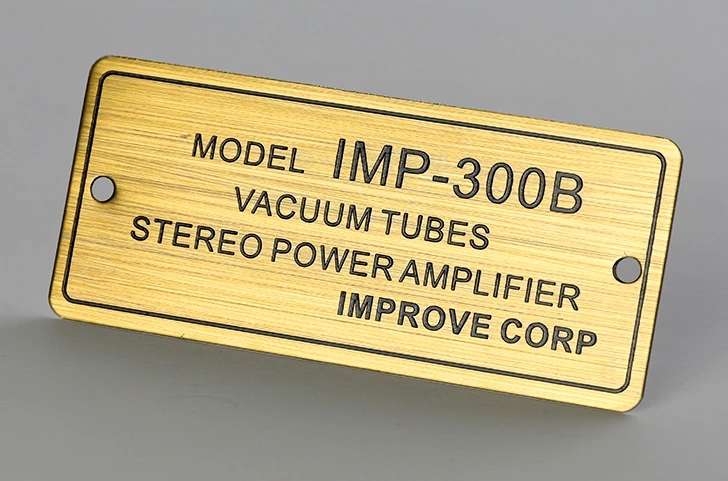
What Are Stainless Steel Labels?
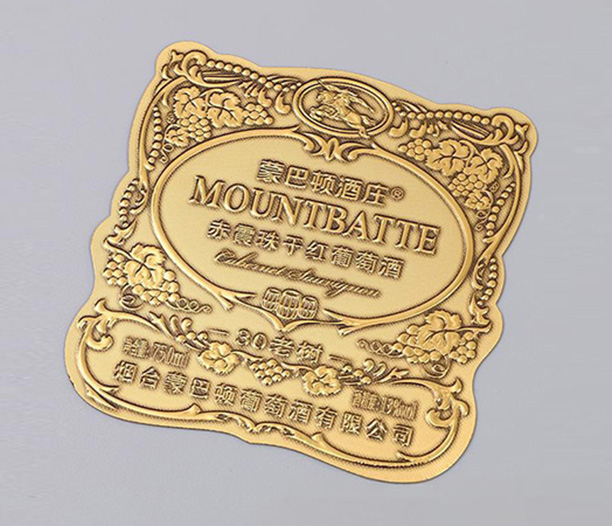
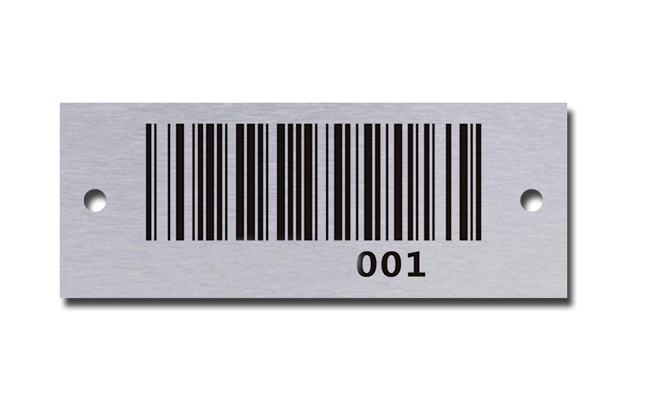
Stainless steel labels are identification tags made from stainless steel alloys. They are typically used for marking, branding, or providing information on various surfaces. These labels are crafted from materials like 304 or 316-grade stainless steel. This ensures high resistance to corrosion and rust. The labels can be customized with text, logos, barcodes, or serial numbers. They are often etched, engraved, or printed using specialized techniques. This makes them ideal for permanent applications.
The production process involves cutting the steel into desired shapes. Then, information is added through methods like laser marking or chemical etching. Some stainless steel labels come with adhesive backing for easy installation. Others may include holes for screws or rivets. This versatility allows them to be used in diverse environments. Whether indoors or outdoors, stainless steel labels maintain their integrity. They are a staple in industries where durability is non-negotiable.
Key Benefits of Using Stainless Steel Labels
One of the primary advantages of stainless steel labels is their longevity. Unlike plastic or paper labels, they do not degrade easily. They can last for decades without significant wear. This makes them a cost-effective investment over time. You won’t need to replace them frequently. This reduces maintenance costs and downtime.
Another benefit is their resistance to environmental factors. Stainless steel labels excel in harsh conditions. They can handle exposure to UV rays, rain, snow, and high humidity. In industrial settings, they withstand chemicals, oils, and solvents. This ensures that important information stays clear and readable. Safety warnings or instructional labels remain intact, preventing accidents.
Stainless steel labels also offer excellent readability. The contrast between the metal surface and engraved text is high. This makes them easy to scan or read from a distance. For assets that require tracking, such as machinery parts, these labels support barcodes or QR codes. They integrate seamlessly into inventory management systems.
Aesthetic appeal is another plus. The polished look of stainless steel labels adds a professional touch. They are often used in commercial spaces for branding or decorative purposes. From nameplates on office doors to serial numbers on high-end equipment, they blend functionality with style. This dual purpose makes stainless steel labels a popular choice across sectors.
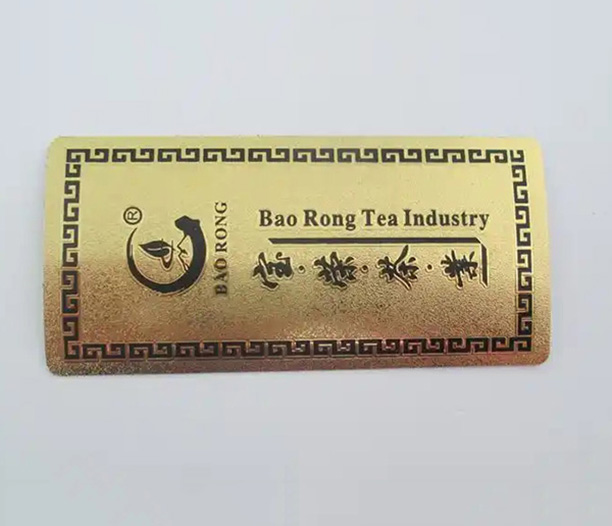
Lastly, these labels are highly customizable. You can choose from various sizes, shapes, and finishes. Whether you need a small tag for a tool or a large sign for a building, stainless steel labels can be tailored. This flexibility ensures they meet specific requirements. It’s why many businesses opt for stainless steel labels for their identification needs.
Applications Across Industries
Stainless steel labels find use in numerous fields. Their durability and versatility make them suitable for many applications. In manufacturing plants, they label machinery, pipes, and control panels. These labels withstand heat, dust, and frequent contact. They help in organizing workflows and ensuring safety compliance.
The automotive industry relies on stainless steel labels for parts identification. Engines, chassis, and components are tagged with these labels. They survive under-the-hood temperatures and exposure to fluids. This aids in maintenance and repair processes. Mechanics can quickly identify parts, reducing errors.
In the medical sector, stainless steel labels are used on equipment and instruments. They endure sterilization processes like autoclaving. This makes them ideal for surgical tools or diagnostic machines. Labels remain legible, ensuring proper usage and hygiene standards.
Outdoor applications are common too. Stainless steel labels mark infrastructure like bridges, pipelines, and electrical panels. They resist weathering and vandalism. Public spaces use them for signage, such as park rules or memorial plaques. Their longevity reduces the need for frequent replacements.
Laboratories and research facilities also benefit. Chemical containers, sample trays, and safety signs are often labeled with stainless steel. The material does not react with most substances. This prevents contamination and ensures accurate labeling.
Even in everyday settings, stainless steel labels have a place. Offices use them for asset tagging on computers or furniture. Retail stores employ them for price tags or brand logos on products. The adaptability of stainless steel labels makes them a go-to solution for many identification challenges.
Types of Stainless Steel Labels
Not all stainless steel labels are the same. They come in different types based on manufacturing methods. Understanding these can help you choose the right one. Etched stainless steel labels are created using chemical processes. This results in deep, permanent marks that won’t rub off. They are perfect for high-wear areas.
Laser-marked stainless steel labels offer precision. A laser beam etches the surface, creating clean, detailed designs. This method is fast and allows for complex graphics. It’s often used for serial numbers or intricate logos. These labels maintain readability under harsh conditions.
Embossed stainless steel labels have raised text or images. This provides a tactile feel and enhances visibility. They are commonly used for control panels or decorative signs. The embossing process adds durability, as the raised areas are less prone to damage.
Adhesive-backed stainless steel labels come with strong glue. They can be applied quickly to smooth surfaces. This type is popular for retrofitting or temporary installations. However, they still offer the durability of stainless steel. For permanent mounting, labels with mechanical fasteners like screws are available.
Another variety is anodized stainless steel labels. These have a colored coating that increases corrosion resistance. The colors can be customized for coding or branding purposes. This adds an extra layer of protection and aesthetic appeal. When selecting stainless steel labels, consider the environment and application to pick the best type.
How to Select the Best Stainless Steel Labels
Choosing the right stainless steel labels involves several factors. First, assess the environment where they will be used. For outdoor settings, opt for labels with high corrosion resistance. Grade 316 stainless steel is excellent for marine or coastal areas. Indoor applications might use Grade 304, which is cost-effective and durable.
Consider the surface for installation. Smooth, clean surfaces work well with adhesive labels. For rough or uneven surfaces, mechanical fasteners are better. This ensures the stainless steel labels stay securely in place. Also, think about temperature extremes. Some adhesives may fail under very high or low temperatures.
The information to be displayed is crucial. If you need barcodes or small text, laser marking might be best. For simple text or numbers, etching could suffice. Ensure the label size matches the content. Overcrowding can reduce readability. Custom shapes can be designed to fit specific spaces.
Budget is another consideration. While stainless steel labels are durable, costs vary. Etched labels might be more expensive than printed ones. But they offer longer lifespan. Weigh the initial investment against long-term benefits. For critical applications, investing in high-quality stainless steel labels pays off.
Lastly, check compliance standards. In industries like aerospace or healthcare, labels may need to meet specific regulations. Ensure your stainless steel labels adhere to relevant guidelines. This avoids legal issues and ensures safety. Consulting with a supplier can help tailor solutions to your needs.
Installation and Care Tips
Proper installation extends the life of stainless steel labels. Start by cleaning the surface thoroughly. Remove any dirt, grease, or old adhesive. This ensures a strong bond. For adhesive labels, apply firm pressure after placement. Use a roller to eliminate air bubbles. This prevents peeling over time.
If using screws or rivets, align the label carefully. Pre-drill holes if necessary to avoid damaging the label. Tighten fasteners securely but not overly so. This prevents distortion of the stainless steel labels. In high-vibration areas, consider using lock washers for added security.
Maintenance is minimal but important. Periodically clean the labels with mild soap and water. Avoid abrasive cleaners that could scratch the surface. For outdoor labels, inspect them annually for any signs of damage. Though stainless steel is tough, extreme conditions might cause wear over decades.
If labels become dirty, a soft cloth usually suffices. For stubborn stains, use a non-abrasive sponge. This keeps the information clear and the appearance professional. By following these tips, your stainless steel labels will serve reliably for years.
Frequently Asked Questions
Q1: What makes stainless steel labels better than plastic labels?
A1: Stainless steel labels offer superior durability and resistance to environmental factors. They do not crack, fade, or degrade like plastic labels. This makes them ideal for harsh conditions, ensuring long-term readability and reduced replacement costs.
Q2: Can stainless steel labels be used outdoors?
A2: Yes, stainless steel labels are excellent for outdoor use. They are corrosion-resistant and can withstand weather elements like rain, sun, and snow. Grades like 316 stainless steel are particularly suited for marine or industrial outdoor environments.
Q3: How are stainless steel labels typically attached to surfaces?
A3: They can be attached using strong adhesives, screws, rivets, or welding. Adhesive-backed labels are easy to apply, while mechanical fasteners provide a more permanent solution for rough surfaces or high-stress areas.
Q4: Are stainless steel labels customizable?
A4: Absolutely. Stainless steel labels can be customized in size, shape, thickness, and design. They can include text, logos, barcodes, or serial numbers through methods like etching, laser marking, or embossing to meet specific needs.
Q5: What industries commonly use stainless steel labels?
A5: Industries such as manufacturing, automotive, medical, construction, and energy rely on stainless steel labels. They are used for asset identification, safety signage, equipment labeling, and more due to their durability and versatility.
Stainless steel labels are a robust and versatile solution for identification needs. Their durability, resistance to harsh conditions, and aesthetic appeal make them a preferred choice across industries. By understanding their benefits, applications, and selection criteria, you can implement them effectively. Whether for industrial machinery, outdoor signage, or medical equipment, these labels ensure information remains clear and permanent. Investing in high-quality stainless steel labels is a step toward efficient and reliable asset management.