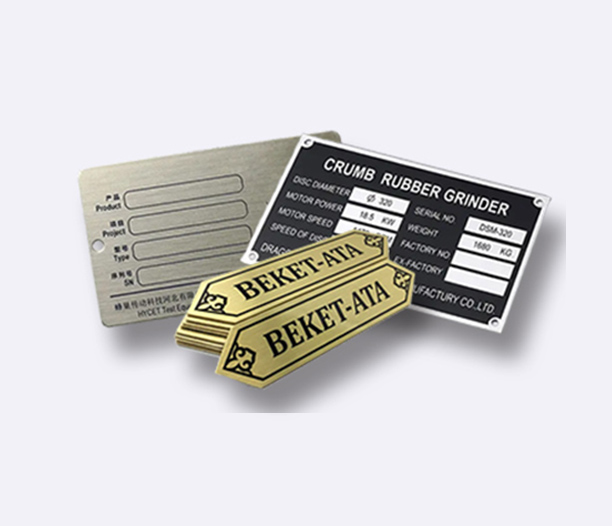
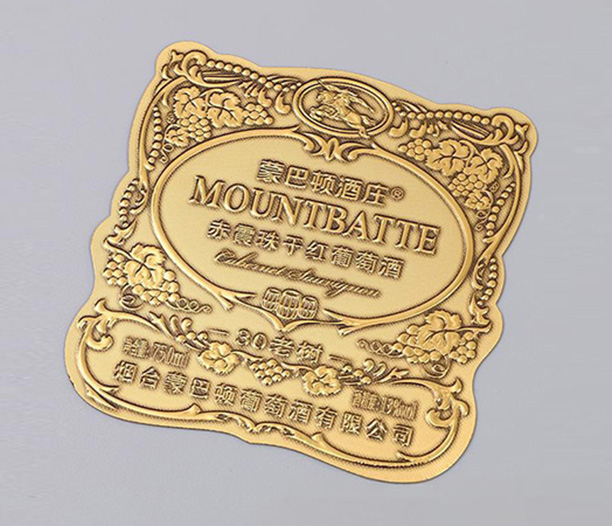
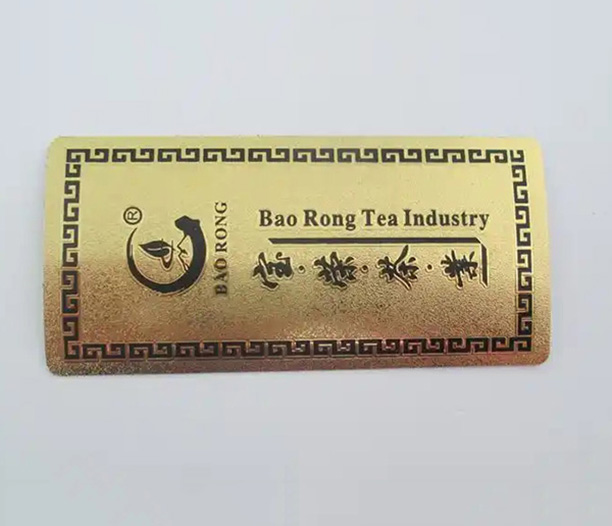
The Ultimate Guide to Durable Labels for Equipment: Safety, Compliance & EfficiencyIn every industrial environment, equipment reliability depends not only on sophisticated machinery but also on clear, durable identification. Labels for equipment serve as the silent interface between operators and assets—conveying safety instructions, operational data, maintenance schedules, and regulatory markings. However, when labels fade, peel, or become illegible, the consequences extend beyond aesthetics: safety hazards, compliance failures, unplanned downtime, and costly errors. According to a 2023 industry survey, 28% of unplanned downtime in manufacturing is linked to missing or unreadable asset information. This guide dives deep into the materials, technologies, and engineering behind modern equipment labels, and how Hemawell Nameplate delivers solutions that withstand the toughest conditions.
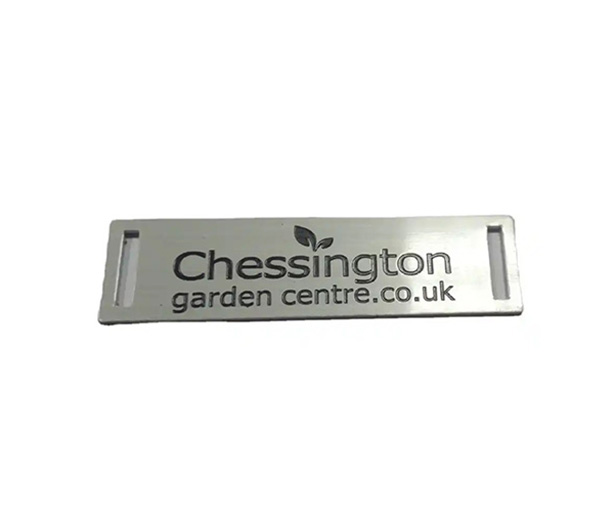
The foundation of any durable label is its substrate. Equipment operates in diverse environments—from sub-zero Arctic conditions to scorching desert heat, from chemical washdowns to abrasive mining sites. Selecting the wrong material leads to premature failure.
1.1 Metal Labels: Anodized Aluminum & Stainless Steel
For heavy machinery, power generation, and oil & gas, metal labels offer unparalleled resilience. Anodized aluminum resists corrosion, UV radiation, and temperatures up to 500°F (260°C). Stainless steel tags are ideal for extreme chemical exposure or marine environments. These materials are often paired with epoxy printing or laser etching to create permanent markings that meet MIL-STD-130 and other defense standards.
1.2 Polyester (PET) and Polyimide (PI) Films
For electronics, automotive components, and medical devices, thin-film labels are essential. Polyester labels provide excellent dielectric strength and withstand up to 150°C, while polyimide handles wave soldering and reflow processes (up to 300°C). Both can be laminated for added abrasion resistance. These films are the backbone of modern equipment asset tags in cleanrooms and PCB manufacturing.
1.3 Specialty Laminates and Overlaminates
To enhance durability, many industrial labels incorporate protective overlaminates—polyurethane, polyester, or fluoropolymer films—that resist chemicals, graffiti, and extreme wear. For example, labels used on mining drills often feature a 2-mil clear polyester overlaminate to withstand rock dust and high-pressure washdowns.
Key property comparison: Tensile strength, elongation, chemical resistance, and UL flammability rating (UL94).
Common certifications: RoHS, REACH, UL 969, CSA C22.2 No. 0.15.
2. Adhesive Technologies: The Critical Bond That Keeps Labels for Equipment in Place
A label is only as good as its adhesive. Choosing the wrong adhesive can result in “flagging,” edge lift, or complete detachment. Industrial applications demand adhesives engineered for specific surface energies and temperatures.
2.1 Permanent Acrylic Adhesives
Acrylic-based adhesives offer excellent UV resistance and long-term aging. They are ideal for indoor/outdoor equipment with moderate temperature fluctuations (-40°F to 250°F). Applications include HVAC units, electrical panels, and warehouse racking.
2.2 High-Tack Rubber-Based Adhesives
For rough, powder-coated, or low-surface-energy plastics (like polyethylene or polypropylene), rubber-based adhesives provide instant high tack. They are commonly used on construction equipment, agricultural machinery, and outdoor power tools. However, they may degrade faster under direct sunlight unless specially formulated.
2.3 Specialty Adhesives for Extreme Environments
Industries such as aerospace and deep-sea drilling require adhesives that withstand jet fuel, hydraulic fluids, and extreme thermal cycling. Silicone adhesives and epoxy-based systems offer superior chemical resistance and can perform from -80°C to +300°C. Hemawell Nameplate engineers often recommend custom adhesive patterns—full-face, perimeter, or structured—to optimize bonding on challenging substrates.
3. Printing Technologies and Durability Validation
The legibility of labels for equipment depends on the printing method. Industrial label printers and converters use several techniques, each with distinct longevity profiles.
3.1 Thermal Transfer Printing
The dominant method for on-demand and batch labeling. Resin-based ribbons produce images that resist smearing, solvents, and high temperatures. When combined with polyester or polyimide face-stocks, thermal transfer labels can maintain barcode readability (grade B or higher) for 10+ years indoors. ANSI grading for print contrast and symbol contrast is critical for supply chain applications.
3.2 Direct Laser Marking and Etching
For metal and some polyimide labels, fiber or CO₂ lasers create permanent marks by altering the surface. This method is used for UID (Unique Identification) markings per MIL-STD-130 and FDA UDI compliance. Laser-marked labels are virtually indelible and survive autoclave sterilization, making them standard for surgical instruments and implantable device packaging.
3.3 Flexographic and Screen Printing
High-volume runs of equipment labels often use flexo or screen printing, allowing for vibrant colors and custom logos. UV-curable inks provide excellent outdoor weatherability. For example, warning labels on heavy earth-moving equipment must retain color intensity for 5+ years in Arizona sun—validated via QUV accelerated weathering tests (ASTM G154).
4. Industry-Specific Applications and Compliance Challenges
Different sectors impose unique requirements on labels for equipment. Below we analyze four high-stakes industries.
4.1 Medical Devices and Healthcare
Labels on ventilators, surgical lights, and diagnostic machines must resist cleaning agents (bleach, hydrogen peroxide) and frequent wipe-downs. They also require UDI compliance (FDA 21 CFR 801). Material choices: white polyester with aggressive permanent adhesive, plus a topcoat that withstands 500+ cleaning cycles. Hemawell Nameplate supplies medical-grade labels that maintain legibility after EtO sterilization and gamma irradiation.
4.2 Oil & Gas, Petrochemical
Offshore platforms and refineries demand labels that resist salt spray, hydrocarbons, and fire. Metal tags with photo-anodized images or ceramic printing are common. Fire-safe labels must meet ISO 14557 and maintain readability even after direct flame exposure.
4.3 Aerospace and Defense
Aircraft components require labels that endure temperature swings, hydraulic fluids (Skydrol), and vibration. Materials must meet Boeing D6-15060 or Airbus ABD0031 specifications. Laser-marked stainless steel or titanium tags are often used for critical parts, ensuring traceability for the life of the aircraft.
4.4 Food and Beverage Processing
Labels on mixers, conveyors, and packaging equipment must withstand high-pressure washdowns with caustic cleaners. Polyester labels with an aggressive rubber adhesive and a glossy overlaminate are typical. They must also be NSF/ANSI 169 certified for incidental food contact. Barcode readability after 1,000 wash cycles is a key performance indicator.
5. Solving Common Pain Points with Custom Engineering
Many equipment manufacturers face recurring issues: labels peeling on textured surfaces, barcodes that won’t scan after oil exposure, or text fading under UV. Here’s how tailored solutions address these.
Pain point: Poor adhesion to powder-coated finishes. Solution: Use a higher-tack rubber adhesive and apply pressure with a roller applicator. Surface energy testing (dyne pens) ensures compatibility.
Pain point: Barcode scanners fail due to low contrast. Solution: Choose a matte white face-stock and resin ribbon. Conduct print contrast signal (PCS) tests during validation.
Pain point: Labels become brittle in cold storage (-40°C). Solution: Specify low-temperature acrylic adhesives and flexible vinyl or polyimide films that remain pliable.
Pain point: Chemical spills erase information. Solution: Use etched metal or polyester with a chemical-resistant overlaminate. Test with MEK, toluene, or isopropyl alcohol.
With decades of converting experience, Hemawell Nameplate partners with clients to diagnose failure modes and prototype solutions. Our in-house testing lab simulates 10-year outdoor exposure in weeks, ensuring that your labels for equipment meet real-world demands.
6. Future Trends: Smart Labels and Industry 4.0 Integration
The next generation of labels for equipment goes beyond static information. RFID-enabled labels (UHF or HF) allow real-time asset tracking, while QR codes with encrypted data link to digital twins. Flexible hybrid electronics (FHE) now enable thin, battery-free temperature sensors embedded in labels. For example, a label on a critical pump can report vibration and thermal history via NFC to a smartphone. These innovations reduce manual inspections and support predictive maintenance. Hemawell Nameplate is at the forefront of integrating printed electronics with durable substrates, offering prototypes that combine robust construction with IoT connectivity.
7. The Hemawell Nameplate Advantage: Custom Solutions Backed by Expertise
Selecting the right labels for equipment involves navigating a maze of materials, adhesives, and compliance standards. Hemawell Nameplate simplifies this process with a consultative approach. We provide:
Material qualification: From anodized aluminum to ultra-thin polyimide, we match your operating environment.
In-house testing: Abrasion (Taber), chemical resistance, UV weatherometer, and thermal cycling.
Rapid prototyping: Digital proofing and short runs within 48 hours.
Global compliance: UL/CSA recognized, ISO 9001:2015 certified, and ITAR registered facilities.
Our engineers work side-by-side with your design team to ensure that every label for equipment not only meets but exceeds functional and regulatory requirements.
Conclusion: Investing in Quality Lowers Total Cost of Ownership
While it may be tempting to choose the cheapest labels for equipment, the long-term costs of failure—recalls, liability, downtime—far outweigh the savings. High-performance labels engineered with the right materials and adhesives ensure that critical information remains readable for the entire life cycle of the asset. Whether you need rugged metal tags for mining trucks or sterile UDI labels for surgical trays, partnering with a specialist like Hemawell Nameplate guarantees peace of mind.
Frequently Asked Questions About Labels for Equipment
Q1: What is the most durable material for outdoor equipment labels exposed to direct sunlight?
A1: For prolonged UV exposure, anodized aluminum or stainless steel with laser etching offers the best longevity. If you need a flexible label, choose 2-mil polyester with a UV-resistant overlaminate and an acrylic adhesive. Testing per ASTM G155 is recommended to validate performance.
Q2: Can you produce custom labels for equipment with sequential serial numbers and barcodes?
A2: Absolutely. Thermal transfer printing allows variable data—sequential barcodes, QR codes, and human-readable text—with 99.9% verifiable print quality. Hemawell Nameplate offers web-based tools to upload your data and we handle the rest.
Q3: How do I select the right adhesive for powder-coated or low-surface-energy plastics?
A3: For powder-coated surfaces, a high-tack rubber-based adhesive or a specialized acrylic with high initial grab is recommended. Always test on the actual surface with a representative sample. We offer free adhesion test kits to help you evaluate before production.
Q4: Are there labels for equipment that comply with UL 969 and CSA standards?
A4: Yes, many of our constructions are UL 969 recognized and CSA approved. We also provide labels that meet specific end-use requirements, such as UL 746C for outdoor use or UL 879 for electric sign components. Our labels for equipment can bear the UL marking when required.
Q5: What is the typical turnaround time for custom-engineered labels from Hemawell Nameplate?
A5: For prototypes, we can ship within 3–5 business days after artwork approval. Production lead times range from 2–3 weeks depending on complexity and volume. We also offer rush services for critical deadlines.
Q6: Do you provide RoHS and REACH compliant materials for equipment labels used in electronics?
A6: Yes, all our standard materials are RoHS and REACH compliant. We also offer halogen-free and red phosphorus-free constructions for sensitive electronic assemblies. Just specify your compliance needs when requesting a quote.